


12 Legendary Mastiff & Molosser Breeds: Giants of the Dog World

Powerful Mastiff & Molosser Breeds: Ancient Guardians Compared
These powerful, impressive dogs trace their roots to ancient guardian and working lines. The chart showcases 12 legendary breeds often grouped together due to their shared strength, size, and protective instincts.
What Is a Mastiff?
A Mastiff is a specific type of large, heavy-boned dog breed known for its massive head, powerful build, loose skin (often with wrinkles), and gentle yet protective temperament. The English Mastiff is the classic example. Mastiffs were historically used as guardians, war dogs, and estate protectors. They tend to be calm, loyal "gentle giants" who are devoted to their families.
What Does Molosser Mean?
Molossers (or Molosser-type dogs) refer to a broader category of powerful, muscular dogs descending from ancient large working dogs of the Molossi tribe in ancient Greece (and earlier civilisations).
These dogs were used for guarding livestock, hunting big game, and warfare. The term encompasses many Mastiff breeds but also includes other heavy guardian types. Not all Molossers are strictly Mastiffs, but all Mastiffs are Molossers

Supporting Your Giant Molosser
– Hench Supplements for Powerhouse DogsThese legendary mastiffs and molossers aren’t just big — they’re built like ancient guardians with serious muscle and strength.
Give your giant the edge they deserve with the Hench Dog Range — high-protein formulas, muscle gainers, creatine chews, and all-in-one health supplements designed to support muscle building, recovery, and peak performance.
Perfect for English Mastiffs, Cane Corsos, Bullmastiffs, Tibetan Mastiffs and all powerful molosser breeds. Shop the full Hench Supplements range here:

The Breeds at a Glance
English Mastiff
True Mastiff. The gentle giant of the group. Short history: Developed in England from ancient Molossian stock. Fun fact: One of the largest dog breeds — males can exceed 200 lbs. UK registrations: Low (vulnerable native breed, often under 300 per year). Rarely mixed.

Neapolitan Mastiff
True Mastiff. Iconic with heavy wrinkles and dewlap. Short history: Ancient Italian guardian, used by Romans. Fun fact: Their loose skin was once thought to protect against wolf bites. UK numbers: Rare. Minimal modern crosses.

Bullmastiff
True Mastiff (Mastiff x Bulldog cross).
Short history: Bred in 19th-century England as gamekeeper’s night dogs.
Fun fact: 60% Mastiff, 40% Bulldog by original design.
UK popularity: More common than pure Mastiffs.

Cane Corso (Italian Mastiff)
True Mastiff-type / Molosser.
Short history: Italian farm and guard dog.
Fun fact: Excellent athleticism for a giant breed.
UK: Growing in popularity, one of the more common large guardians.
modernmolosser.com

Tibetan Mastiff
True Mastiff.
Short history: Ancient livestock guardian from the Himalayas.
Fun fact: Can have a lion-like mane and deep, booming bark.
UK: Rare and expensive.


Dogue de Bordeaux (French Mastiff)
True Mastiff.
Short history: French guardian and cart-puller.
Fun fact: Known for massive head and drool!
UK numbers: Moderate.

Boerboel
True Mastiff-type (South African).
Short history: Bred by Dutch settlers for farm protection.
Fun fact: Extremely strong and territorial.
UK: Less common.

Dogo Argentino
Molosser, not a traditional Mastiff.
Short history: Bred in Argentina for big-game hunting (boar).
Fun fact: All-white, muscular hunter with strong prey drive.
UK Banned
Dogo Argentino → Banned
Also prohibited under the same law. Ownership is illegal without an exemption


Tosa Inu (Japanese Mastiff)
True Mastiff-type.
Short history: Japanese fighting and guard dog.
UK: Banned
Tosa Inu (Japanese Tosa) → Banned
It is illegal to own, breed, sell, give away, or abandon this breed (unless you have a rare court-granted exemption certificate). Very few legal Tosas exist in the UK.

Spanish Mastiff
(Mastín Español)
True Mastiff.
Short history: Ancient livestock guardian.
UK: Rare, occasionally imported.

Pyrenean Mastiff
True Mastiff.
Short history:
Spanish mountain guardian.
UK: Recently gaining some recognition.
royalkennelclub.com
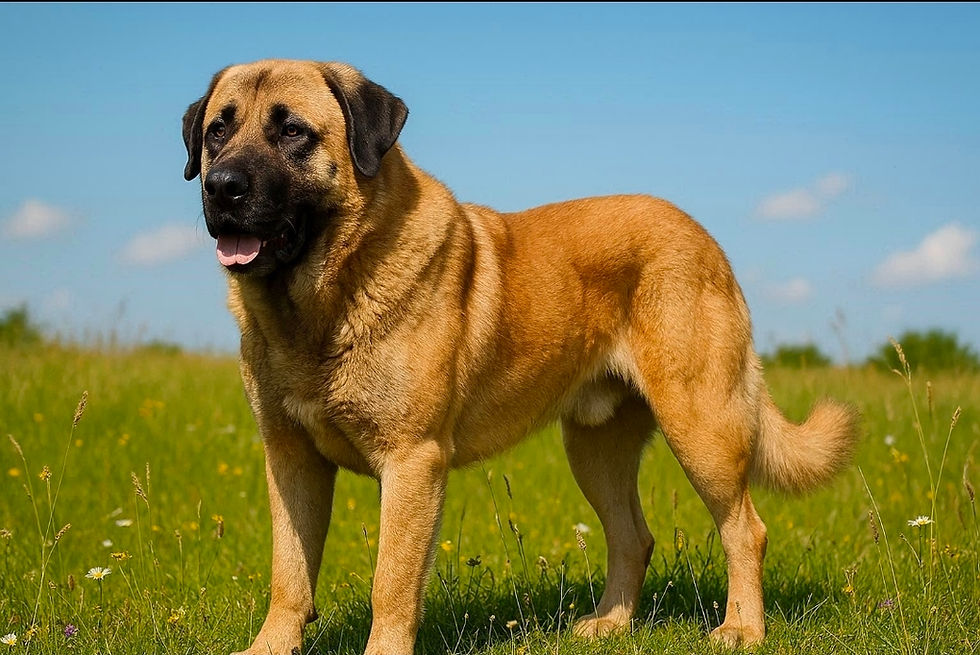
Kangal
Molosser livestock guardian, not a Mastiff.
Short history: Turkish flock protector.
Fun fact: Holds one of the strongest bite forces.
UK: Rare, often kept by working dog enthusiasts.

Not Banned (Legal to Own)
legal to own in the UK:English Mastiff
Neapolitan Mastiff
Bullmastiff
Cane Corso (Italian Mastiff) — popular and growing in numbers
Tibetan Mastiff
Dogue de Bordeaux
Boerboel
Tosa Inu — banned (see above)
Spanish Mastiff
Pyrenean Mastiff
Kangal
Note: Cane Corso is not banned, despite occasional media speculation and calls for restrictions after the XL Bully ban. No current plans exist to add it to the banned list.
The Dangerous Dogs Act 1991 (DDA)
is the main UK law that controls dogs considered dangerous to the public. It applies across England, Wales, Scotland, and Northern Ireland (with some minor differences).
Key Sections of the ActSection 1: Banned "Types" of Dogs (Breed-Specific Legislation)
It is illegal to own, breed, sell, give away, abandon, or advertise certain dog types.
The law focuses on the dog’s physical appearance ("type"), not its registered breed name or paperwork.Currently banned types (as of April 2026):Pit Bull Terrier
Japanese Tosa (Tosa Inu)
Dogo Argentino
Fila Brasileiro (Fila Braziliero)
XL Bully (added in 2024)
These match the ones relevant to your Mastiff/Molosser chart: Tosa Inu and Dogo Argentino are banned.
Section 3: Dog Dangerously Out of Control
This applies to any dog (any breed).
It is an offence if a dog is dangerously out of control in a public place (or private place where it is not allowed). “Dangerously out of control” includes causing fear/injury or injuring a person/assistance dog.
Penalties are much higher if injury or death occurs.
Penalties
Owning a banned type (Section 1): Unlimited fine, up to 6 months in prison, and the dog is usually destroyed.
Dog dangerously out of control:No injury: Up to 6 months prison.
Injury caused: Up to 5 years (or more in serious cases).
Death caused: Up to 14 years imprisonment.
Recommended Gear for Your Giant Molosser or Mastiff




Comments