


Building Muscle in Working, Sporting, or High-Energy Dogs: What Actually Works in 2026
- 3 days ago
- 4 min read

Working, sporting, and high-energy dogs live very different lives from couch potatoes.
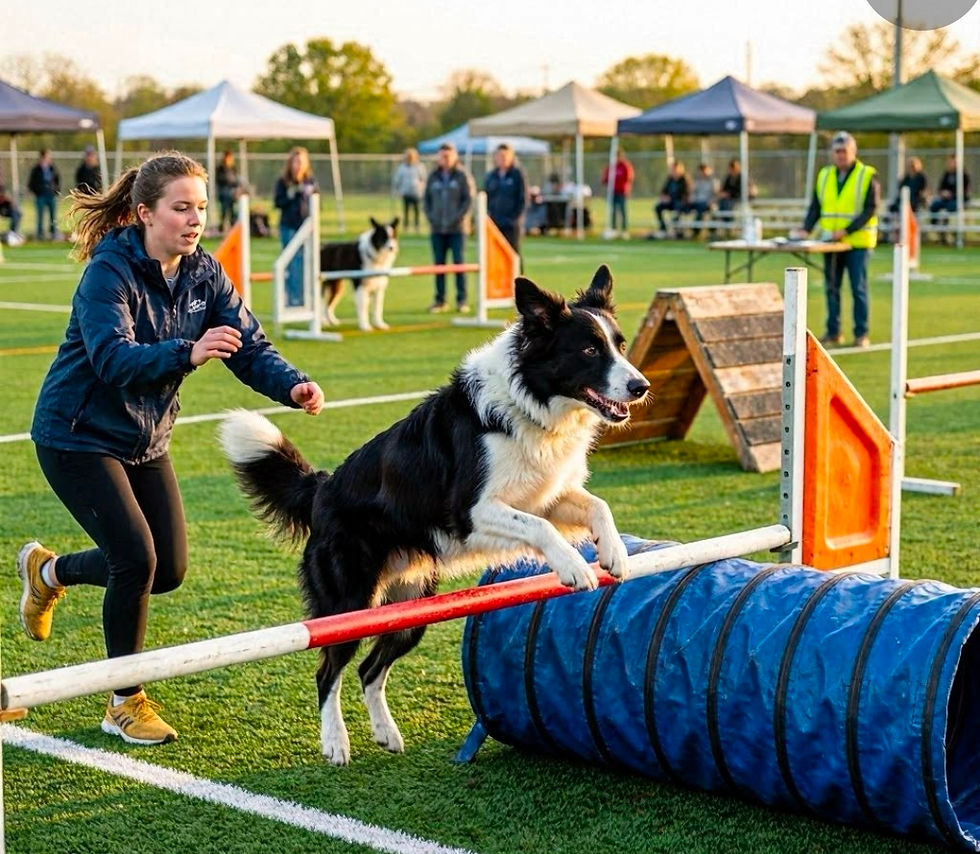
Whether your dog is a Border Collie dominating agility, a German Shepherd doing protection work, a Labrador Retriever in the field, or simply a tireless backyard athlete, building and maintaining lean muscle is one of the best things you can do for their performance, injury prevention, and long-term health.
Here's what actually works in 2026 according to the latest canine sports medicine, performance nutrition research, and real-world experience from handlers and trainers.
Why Muscle Building Matters for Active Dogs
Maintaining healthy lean muscle mass improves:
Power and explosive speed
Endurance during long workdays
Joint stability and injury resilience
Metabolic health and healthy weight management
Recovery after intense activity
Even highly active dogs can lose muscle as they mature if nutrition and training aren't properly optimized.
1. Nutrition: The Foundation of Muscle Growth
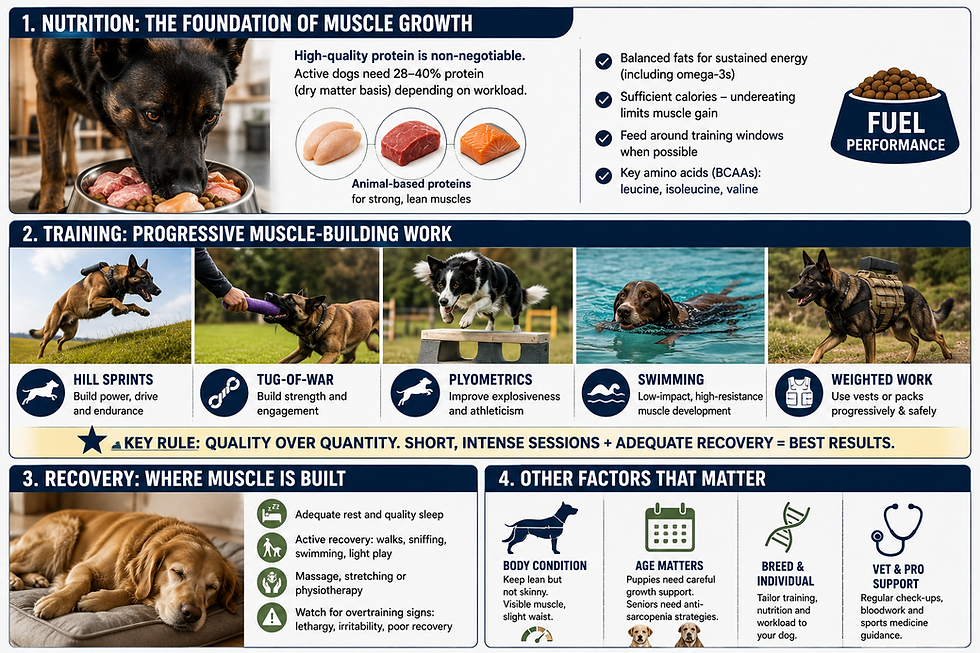
High-quality protein is non-negotiable.
Active dogs typically require higher protein levels, often 28–40% on a dry matter basis, depending on workload and activity level.
Particular attention should be paid to amino acids such as:
Leucine
Isoleucine
Valine (BCAAs)
These play an important role in supporting muscle growth and recovery.
What Works Well?
Animal-based proteins such as chicken, beef, fish, and egg as primary protein sources.
Balanced fats for sustained energy, including Omega-3 fatty acids for inflammation control.
Sufficient calories — undereating is one of the biggest barriers to muscle gain in working dogs.
Proper timing of protein-rich meals around training sessions whenever possible.

Shop Now
Targeted Supplementation for Muscle Building, Performance, Recovery
For working, sporting, and high-energy dogs, even the best diet sometimes needs extra support to meet the high demands for protein and recovery nutrients.Advanced Animal Care’s Hench Range offers excellent options specifically designed for muscle gain and performance:
MuscleMatrix Soft Chews — Packed with premium proteins (egg, whey, chicken), HMB, Creatine, L-Leucine, Beta Alanine, and digestive enzymes. Ideal as a daily chew for consistent muscle support and recovery.
JayFuel High-Grade Protein Powder — A versatile whey and yeast protein formula with omegas, taurine, probiotics, and enzymes. Perfect for mixing into meals to boost overall protein intake on heavy training days.
2. Training: Progressive Muscle-Building Work
Consistent cardio alone won't build significant muscle.
For optimal development, strength-focused activities should be included regularly.
Effective Muscle-Building Exercises
Hill Sprints & Inclined Treadmill Work
Excellent for building rear-end power, drive, and cardiovascular fitness.
Tug-of-War with Resistance
A controlled and structured way to engage multiple muscle groups while improving strength and focus.
Plyometric Exercises
Controlled box jumps, bounding exercises, and explosive movements help improve athletic performance and muscle recruitment.
Swimming & Underwater Treadmills
Provide low-impact resistance training that supports muscle growth while reducing stress on joints.
Weighted Vests & Backpacks
Can be useful when introduced progressively and used safely under appropriate guidance.
Key Rule in 2026
Prioritise quality over quantity.
Short, intense training sessions combined with proper recovery often outperform daily high-volume work.

3. Recovery: The Most Underrated Factor
Muscle doesn't grow during training.
Muscle grows during recovery.
Many owners focus heavily on exercise while overlooking the importance of rest and repair.
Best Recovery Practices
Adequate sleep and downtime between intense sessions.
Active recovery days including light walks, swimming, and sniffing games.
Regular massage, stretching, or professional canine physiotherapy.
Monitoring for signs of overtraining such as:
Lethargy
Irritability
Reduced enthusiasm
Slower recovery between sessions
Proper recovery is often the difference between steady progress and stagnation.

4. Other Factors That Make a Real Difference
Body Condition Scoring
Aim to keep your dog lean but not skinny.
Visible muscle definition combined with a slight waistline is generally considered ideal.
Age-Appropriate Adjustments
Puppies require careful support during growth and development.
Mature and senior dogs benefit from strategies designed to help combat sarcopenia (age-related muscle loss).
Breed & Individual Variation
Every dog is different.
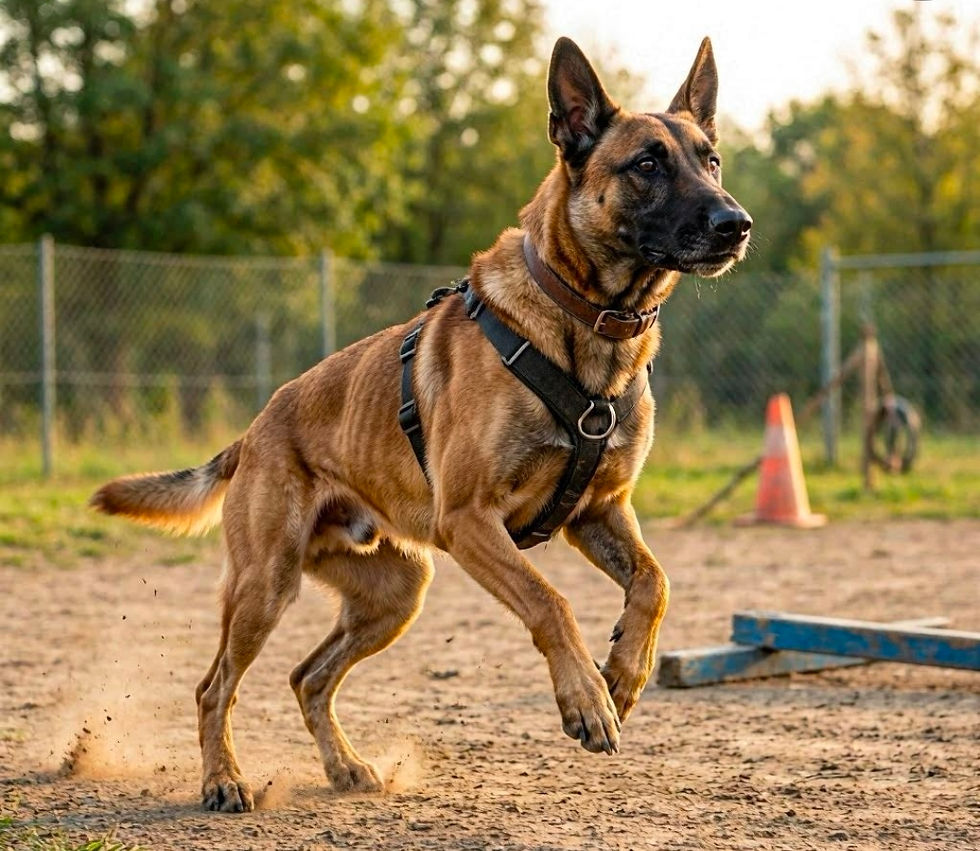
A Belgian Malinois, German Shorthaired Pointer, Staffordshire Bull Terrier, or Labrador Retriever may all require different approaches to training, feeding, and recovery.
Tailor your approach to the individual dog rather than following a one-size-fits-all plan.
Veterinary & Professional Support
Regular health monitoring is essential for serious canine athletes.
This may include:
Routine veterinary examinations
Bloodwork
Cardiac screening, particularly for larger breeds
Working with qualified canine sports medicine professionals and trainers
Sample Weekly Approach for a High-Energy Dog
A balanced weekly structure may include:
4–5 Days of Structured Training
Combining:
Strength work
Speed work
Skill training
Sport-specific exercises
Daily Mental Enrichment
Including:
Scent work
Problem-solving games
Obedience training
Interactive play
1–2 Recovery Days
Either complete rest or light active recovery activities.
Consistent Nutrition
High-protein meals with attention paid to pre- and post-exercise feeding strategies.
How Long Until You See Results?
When training, nutrition, and recovery are all properly aligned, noticeable improvements are often seen within:
4–8 Weeks
Results may include:
Improved muscle definition
Better stamina
Enhanced recovery
Increased athletic performance
Improved body composition
Consistency remains the most important factor.
Recommended Advanced Support for Serious Performance Dogs
Owners of high-drive working and sporting dogs often combine multiple tools for optimal results.
Advanced Animal Care’s Empower stands out as a powerful option for maximum muscle support.
This chewable tablet formula delivers a full spectrum of essential amino acids (including high levels of Leucine, Isoleucine, and Valine), Creatine, DMG, and key vitamins/minerals. It’s particularly effective for muscle building, strength, and faster recovery after intense sessions.
JackedBite is another convenient choice — high-protein (35% crude protein) daily chews with strong amino acid support, omega fish oil, and turmeric for everyday performance maintenance.Important

Disclaimer:
Always consult your veterinarian before adding any new supplements, especially for dogs with health conditions, puppies under 12 weeks, or pregnant/lactating dogs. Introduce new products gradually half a dose or less and follow the manufacturer’s dosing guidelines.
Final Thoughts
Building muscle in working, sporting, and high-energy dogs isn't about chasing size.
It's about developing a stronger, healthier, more resilient canine athlete capable of performing at their best while remaining healthy for years to come.
The combination of quality nutrition, progressive training, proper recovery, and regular health monitoring remains the most effective strategy supported by current canine sports science.
What's Your Dog's Main Job or Sport?
Share your best tips for building or maintaining muscle in the comments.
Whether you own a working breed, sporting dog, or simply a high-energy companion, we'd love to hear what works for you. :::


Comments