


Do Dogs Know Their Name? How Dogs Learn, Recognise and Respond to Words
- 4 hours ago
- 8 min read

Dogs often seem to know exactly when we are talking to them.
Say their name in the kitchen, and they appear.
Say it before a walk, and their tail starts wagging.
Say it when they are doing something cheeky, and suddenly they become very busy looking the other way.
But do dogs really know their name?
Or are they simply recognising a familiar sound?
The answer is somewhere in the middle.
Dogs can learn that their name is an important sound. It usually means attention, reward, routine, communication or direction. They may not understand names exactly the way humans understand identity, but they can absolutely learn that their name means:
“Pay attention — I am talking to you.”

Quick Answer: Do Dogs Know Their Name?
Yes, dogs can learn to recognise their name.
Most dogs learn that their name means something is about to happen. It may mean food, attention, praise, a walk, play, a cuddle, a command or sometimes correction.
To a dog, their name is usually less like a human identity label and more like a powerful attention cue.
A well-taught name should mean:
Look at me
Listen
Something good may happen
I am talking to you
That is why a dog’s name should be used kindly, clearly and consistently.
Do Dogs Understand Names Like Humans Do?
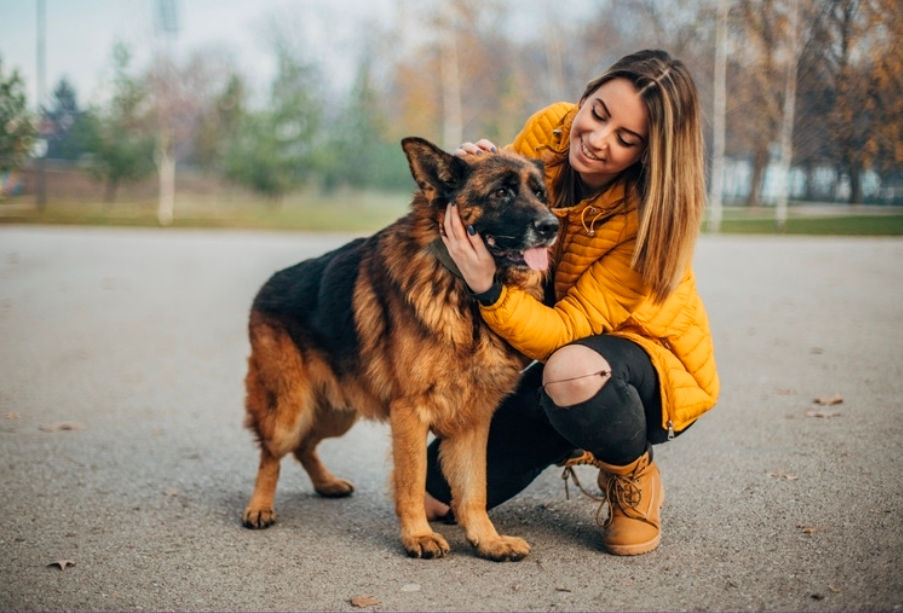
Humans understand names as part of identity.
We know our name belongs to us. We know other people have names. We understand that a name represents a person.
Dogs do not appear to understand names in the same human identity-based way we do, but they can learn that a sound refers to them, another dog, a person, a toy or an object.
That means a dog may learn:
“Bella” means me
“Max” means the other dog
“Mum” means one person
“Ball” means a certain toy
“Lead” means we may be going out
Dogs are very good at linking sounds with patterns, routines and outcomes.
So while dogs may not think about names exactly like humans do, they can still learn that names and words have meaning.
How Do Dogs Learn Their Name?

Dogs learn their name through repetition, tone and reward.
A puppy does not arrive already knowing what their name means. They learn it because humans keep saying it in meaningful situations.
A name becomes important when it is followed by something the dog notices.
That could be:
Food
Praise
Touch
Play
Eye contact
A walk
A command
Attention
If every time you say your dog’s name something interesting or positive happens, the name becomes valuable.
The best name training is simple:
Say the name.
Dog looks at you.
Reward the dog.
Over time, your dog learns:
“My name means look at my person.”
Why Tone Matters So Much

Dogs listen to tone as well as words.
You can say the same name in different ways, and your dog may react very differently.
A happy voice may make your dog come closer.
A sharp voice may make them hesitate.
A soft voice may make them relax.
A frustrated voice may make them avoid you.
This is why some dogs start ignoring their name.
If the name is used mostly when the owner is annoyed, the dog may begin to associate it with pressure.
For example:
“Buddy, stop that.”
“Buddy, no.”
“Buddy, come here now.”
“Buddy, what have you done?”
If a dog hears their name mostly before correction, they may stop wanting to respond.
A name should not feel like a warning.
It should feel like an invitation.

Why Does My Dog Ignore Their Name?
A dog ignoring their name does not always mean they are stubborn.
There are many possible reasons.
Your dog may ignore their name because:
They have not been properly taught what it means
The environment is too distracting
The name has been overused
The name predicts something negative
The dog is excited, anxious or overwhelmed
The reward is not strong enough
They are tired or unwell
They have hearing issues
They have learned they do not have to respond
A dog who responds indoors but ignores you outside is not being naughty.
They may simply find the outside world more exciting than your voice.
That means the training needs to be rebuilt slowly in easier situations before expecting a perfect response in harder places.
Do Dogs Know Other Dogs’ Names?

Some dogs do appear to recognise the names of other dogs in the household.
For example, you might say:
“Where’s Molly?”
And your dog looks at Molly.
Or you might say:
“Give this to Charlie.”
And your dog moves towards Charlie.
Dogs can learn these associations, especially in homes where names are used clearly and consistently.
They may learn:
Which sound belongs to which dog
Who is being called
Who is getting food or attention
Which dog is being spoken to
Some dogs are very good at this.
Others may simply react to your tone, body language or routine.
Either way, dogs are better at reading human patterns than many people realise.
Can Dogs Learn Human Words?

Yes, many dogs can learn a range of human words.
Most family dogs know more words than owners think.
They may react to:
Walk
Dinner
Car
Treat
Bed
Toy
Vet
Bath
Lead
Out
Some dogs learn toy names, people’s names and regular household words.
Dogs do not understand language exactly like humans do, but they can build strong associations between words, actions and objects.
This is why some owners have to spell out words like W-A-L-K or T-R-E-A-T — until the dog learns the spelling too.
Is a Dog’s Name the Same as Recall?

No — and this is an important training point.
Your dog’s name and your recall command should not mean exactly the same thing.
Your dog’s name should mean:
Look at me.
Your recall word should mean:
Come back to me.
For example:
“Luna” = look at me
“Come” = return to me
A clearer pattern is:
Name first. Command second.
Example:
“Luna, come.”
This teaches your dog to pay attention first, then follow the instruction.
If you only shout your dog’s name when you want them to come back, the meaning can become unclear.
How to Teach a Puppy Their Name
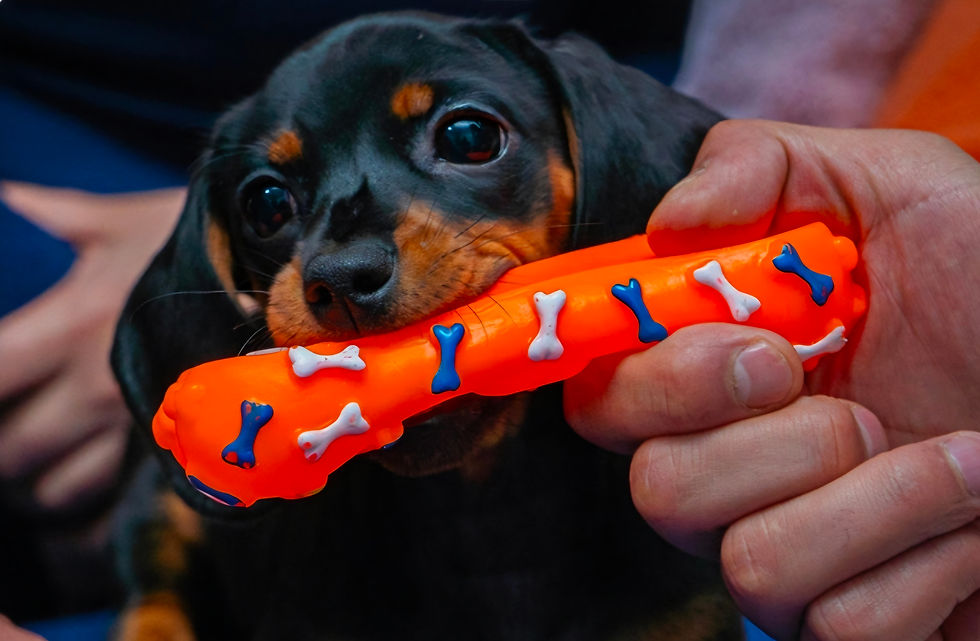
Teaching a puppy their name should be positive and simple.
Start in a quiet room with no distractions.
Say your puppy’s name once in a happy voice.
When they look at you, reward them with food, praise or play.
Repeat in short sessions.
Do not say the name over and over again.
Do this:
“Finn.”
Puppy looks.
Reward.
Not this:
“Finn, Finn, Finn, Finn, Finn!”
Repeating the name too many times teaches the puppy that they do not need to respond the first time.
Keep it clear, short and fun.
Simple Name Training Exercise

Try this for a few minutes a day.
Stand close to your dog.
Say their name once.
When they look at you, mark it with praise such as:
“Yes!”
Then reward.
Once they understand it indoors, practise in slightly harder places:
The garden
A quiet street
A calm park
Near mild noise
At a distance from other dogs
Around gentle distractions
Build slowly.
Do not jump straight from the kitchen to a busy park and expect perfect focus.

Common Mistakes Owners Make With Dog Names
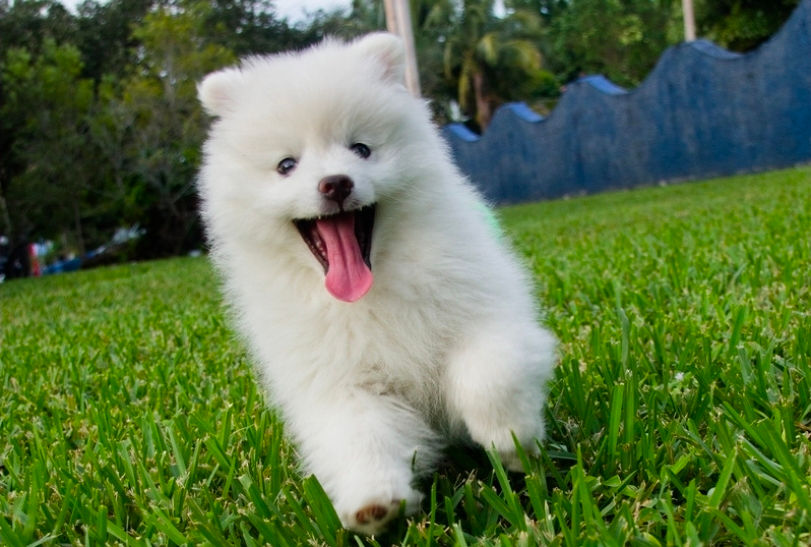
Many owners accidentally weaken their dog’s name without realising.
Common mistakes include:
Repeating the name too many times
Using the name only when telling the dog off
Shouting the name in frustration
Using lots of nicknames before the dog knows one clear name
Calling the name when the dog cannot respond
Not rewarding the dog for looking
Using the name for every command
Your dog’s name should stay valuable.
The more positive it feels, the more likely your dog is to respond.
Can You Rename a Dog?
Yes, you can rename a dog.
Dogs can learn a new name at almost any age if it is introduced properly.
This can be especially helpful for:
Rescue dogs
Dogs with a negative history linked to their old name
Dogs whose name sounds too similar to another pet
Dogs with names that are hard to say
Owners who want a fresh start
To teach a new name, use the same method.
Say the new name.
Reward attention.
Repeat kindly and consistently.
Most dogs adjust well when the new name predicts good things.
Do Nicknames Confuse Dogs?
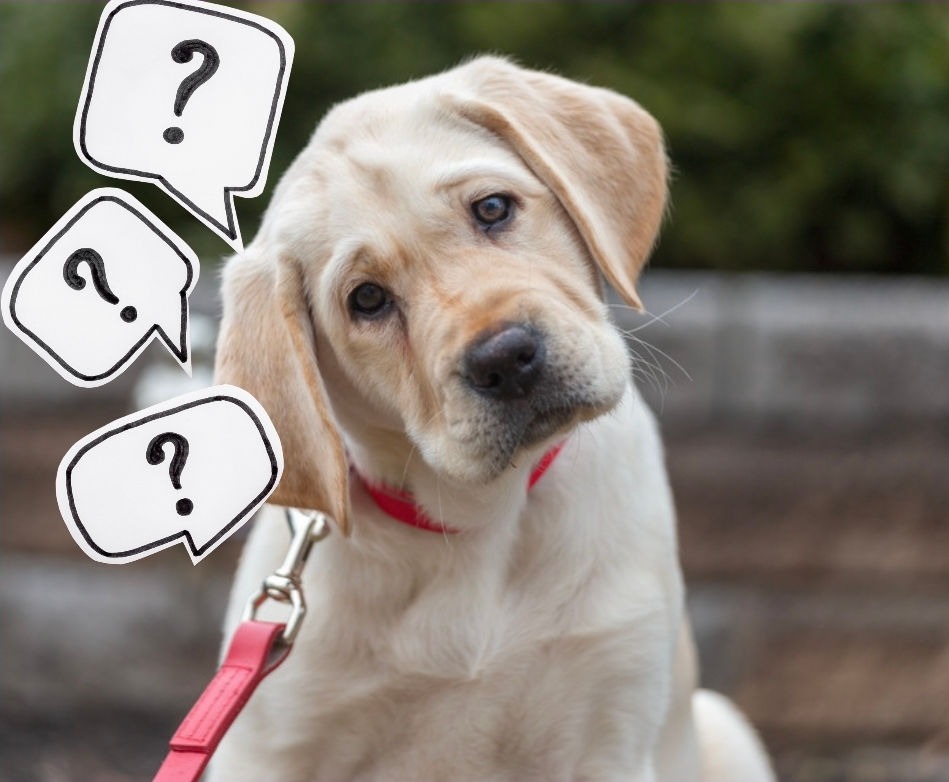
Not always.
Many dogs learn several nicknames.
A dog called Stanley may also respond to:
Stan
Stanny
Big lad
Baby boy
Handsome
Trouble
Dogs often learn nicknames because of tone, routine and repetition.
However, when teaching a puppy or new rescue dog, it is better to start with one clear name first.
Once the dog understands their main name, nicknames usually become easier.
Why Some Dogs Respond Better Than Others

Some dogs naturally respond faster to their name than others.
This can depend on:
Breed type
Motivation
Training history
Age
Hearing
Confidence
Distraction level
Relationship with the owner
How rewarding the owner is
A working Border Collie may snap attention quickly because it is bred to work closely with people.
A scent hound may hear you but still be busy following a smell.
A guarding breed may respond indoors but stay more alert outside.
A puppy may be easily distracted.
A senior dog may have hearing loss.
So the question is not always:
Does my dog know their name?
Sometimes the better question is:
Is my dog able and motivated to respond right now?
When Ignoring Their Name Could Be a Health Sign
If your dog used to respond well but suddenly stops, do not assume they are being difficult.
It could be health-related.
Possible reasons include:
Hearing loss
Ear infection
Pain
Confusion in older dogs
Stress
Fear
Medication effects
General illness
If your dog suddenly stops responding to their name, especially as they get older, it is worth checking their hearing, ears and general health with your vet.
A change in response can sometimes be the first sign something is wrong.
How to Make Your Dog’s Name Stronger Again
If your dog ignores their name, you can rebuild it.
For one week, use the name only for good things.
Say the name before:
Treats
Praise
Dinner
Walks
Play
Cuddles
Training rewards
Avoid using the name when you are annoyed.
If your dog is doing something wrong, use a calm interruption or trained cue instead.
The goal is to make the name feel important again.
Your dog should hear their name and think:
“Something good is coming. I should look.”
Best Types of Names for Dogs

The best dog names are usually clear, easy to say and easy to recognise
Good dog names often have:
One or two syllables
A strong sound
A clear ending
No confusion with commands
A sound you enjoy saying
Names like Finn, Ruby, Bella, Max, Luna, Milo, Daisy, Rex, Rosie and Bear are easy because they are short and clear.
Long names can still work, but they are often shortened in everyday life.
That is why:
Cú Chulainn becomes Cú
Finnegan becomes Finn
Connemara becomes Connie
Choose a name you enjoy saying, because you will say it thousands of times.
Final Thoughts: Your Dog’s Name Is More Than a Word
So, do dogs know their name?
Yes — but probably not in exactly the same way humans understand names.
To your dog, their name is a familiar sound filled with meaning.
It can mean attention.
It can mean love.
It can mean food.
It can mean play.
It can mean “my person needs me.”
Used kindly, your dog’s name becomes one of the most important words in their world.
It is the sound that connects them back to you.
So choose it with care.
Say it with warmth.
Protect its meaning.
Because to your dog, their name is not just a word.
It is the beginning of a conversation with the person they love.


Comments