


Exploring the World of Russian Dogs: History, Power & Purpose
- 2 hours ago
- 5 min read

Russia’s vast geography—from frozen Siberia to rugged mountains—has produced some of the most resilient, powerful, and specialised dog breeds in the world. These dogs were not bred for looks first—they were engineered for survival, work, and extreme conditions. That makes them fascinating not just for dog lovers, but for anyone interested in history, evolution, and working animals.
🐺 Why Russian Dogs Are Unique
Russian breeds were developed for specific roles:
Hunting wolves across snow-covered plains
Guarding livestock from predators like bears
Pulling sleds in freezing climates
Military and security work
Because of this, they tend to share traits like:
High endurance & cold resistance
Strong protective instincts
Independent thinking (not blindly obedient)
Powerful physical builds
🏆 Most Popular to Least Popular Russian Dog Breeds

1. Siberian Husky (Most Popular Worldwide)
Purpose: Sled pulling
Strengths: Endurance, speed, teamwork
Fun fact: Can run for hours in sub-zero temperatures without fatigue
Modern use: Family pets, sled racing
➡️ These are among the most globally recognised Russian-origin breeds due to their adaptability and friendly nature

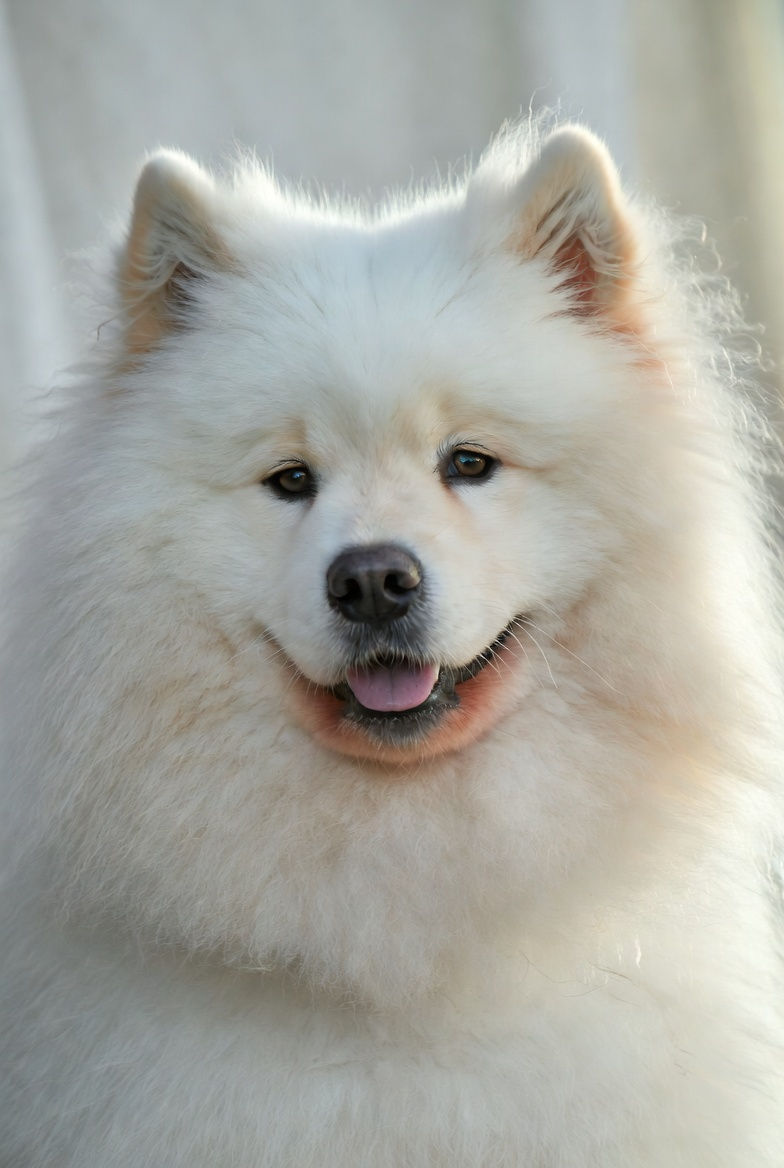
2. Samoyed
Purpose: Herding and sledding
Strengths: Thick coat, cold resistance
Fun fact: Known for the “Samoyed smile”
Instincts: Strong pack bonding and companionship

3. Borzoi
Purpose: Wolf hunting for Russian aristocracy
Strengths: Speed (up to ~40 mph), agility, vision-based hunting
History highlights:
Developed in Russia for hunting wolves using sight rather than scent
Owned by tsars and nobles; often gifted rather than sold
Physical traits:
Long, lean, muscular build
Designed for sprinting and tackling large prey
Modern research insight:
Genetic studies show links to ancient European sighthounds like Greyhounds and Irish Wolfhounds
Famous owners:
Russian nobility
Early Hollywood stars used them as status symbols

4. Caucasian Shepherd Dog
Purpose: Guarding livestock and property
Strengths: Extreme power, fearlessness, territorial instinct
History:
Over 600 years old, protecting flocks in the Caucasus region
Used against wolves and even bears
Key traits:
One of the strongest dog breeds in the world
Naturally protective—requires experienced handling
Modern use:
Guard dog, military roles
5. Black Russian Terrier
Purpose: Military and security work
Strengths: Intelligence, obedience, strength
Origin: Developed by Soviet military breeding programs
Fun fact:
Designed as a “super working dog” combining multiple breeds
6. East European Shepherd
Purpose: Military and police work
Strengths: Loyalty, trainability, cold resistance
➡️ Often compared to German Shepherds but bred for harsher climates

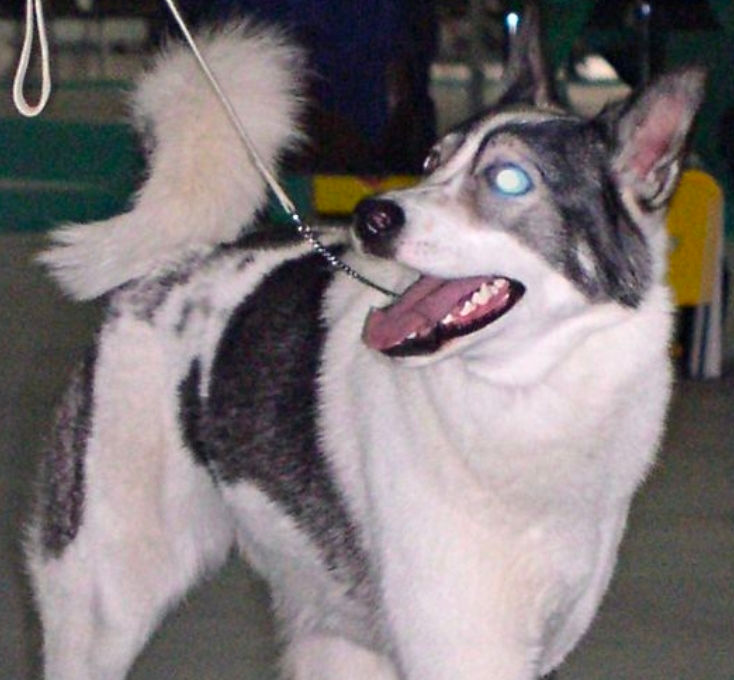
7. Laika (including Yakutian Laika)
Purpose: Hunting and sledding
Strengths: Versatility, survival instincts
Recent development:
The Yakutian Laika has recently gained official recognition and is growing in popularity
Fun fact:
The first dog in space, Laika, was from this type
8. Russian Toy (Least physically powerful but popular companion)
Purpose: Companion dog
Strengths: Small size, affectionate
Contrast: Shows Russia also bred lap dogs—not just giants

🧬 Latest Research & Insights on Russian Breeds
1. Genetics & Evolution
Studies show Russian breeds like the Borzoi share ancestry with ancient European hunting dogs
Many breeds were shaped by environmental pressure rather than aesthetics
2. Functional Breeding
Unlike modern designer breeds, Russian dogs were bred for:
Performance (speed, guarding, endurance)
Survival in extreme climates
3. Behaviour Research
Modern studies highlight:
Strong independence (especially in guardian breeds)
High prey drive in hunting breeds like Borzoi
💪 What Russian Dogs Are Best At
Hunting
Borzoi: Visual tracking + extreme sprint speed
Laika: Multi-purpose hunters
Guarding
Caucasian Shepherd: Among the most powerful livestock guardians
Endurance
Husky & Samoyed: Built for long-distance work
Military & Security
Black Russian Terrier
East European Shepherd
📜 Historical Significance
Russian dogs are deeply tied to history:
Royal hunting culture: Borzois used by tsars in massive wolf hunts
Rural survival: Shepherd dogs protected livestock for centuries
Cold War era: Breeds like the Black Russian Terrier were engineered for military use
Many breeds nearly disappeared after the Russian Revolution, especially those linked to nobility, before being revived internationally
🎯 Fun Facts You Probably Didn’t Know
Borzois were once so exclusive they could only be gifted by royalty
Some Russian dogs can withstand temperatures below -50°C
The Caucasian Shepherd can weigh over 70kg (150+ lbs)
Russia even developed a dog–jackal hybrid (Sulimov dog) for airport security

A Presidential Puppy Moment: Putin and the Alabai "Verny"
No exploration of Russian and Central Asian dogs would be complete without mentioning one of the most viral dog diplomacy moments in modern history.
In October 2017, during a meeting in Sochi, Turkmenistan President Gurbanguly Berdymukhamedov gifted Russian President Vladimir Putin a fluffy Central Asian Shepherd (Alabai) puppy named Verny (meaning “Faithful”) for his 65th birthday.
The moment instantly went global when Berdymukhamedov lifted the puppy by the scruff of its neck to present it.
Putin, a well-known dog enthusiast, promptly stepped in, gently took the puppy into his arms, cradled it properly, and even gave it a kiss.
The heartwarming (and slightly awkward) interaction quickly
spawned the meme: “Even Vladimir Putin knows the proper way to hold a dog.
”The Alabai, also known as the Central Asian Shepherd Dog, is a powerful, ancient livestock guardian breed closely related to the Caucasian Shepherd. Renowned for its strength, loyalty, and fearlessness, it’s a fitting choice for a presidential gift. “Verny” reportedly went on to live at Putin’s residence, continuing the long tradition of Russian leaders and their dogs.
This lighthearted episode was widely seen as a “soft power” win, humanizing Putin’s public image as an animal lover — a contrast to his reputation in international politics.
(Dog lovers may also remember the 2007 incident when Putin brought his black Labrador, Koni, into a meeting with German Chancellor Angela Merkel, who has a well-known fear of dogs.)
Whether you view it as genuine affection or calculated optics, the Verny moment highlighted the universal appeal of dogs — even in high-stakes diplomacy — and gave the majestic Central Asian Shepherd its 15 minutes of internet fame.

📈 Why Russian Dogs Are Trending Again
Increased interest in working breeds and natural genetics
Social media popularity (especially Borzoi memes)
Recognition of rare breeds like the Yakutian Laika

💪 Dog Muscle Recovery & Performance Support
Active and working breeds—especially powerful dogs like Siberian Huskies and Caucasian Shepherds—place significant demand on their muscles during daily activity.
Supporting recovery is an important part of maintaining long-term health, strength, and performance.
The Hench Range Dog Muscle Recovery & Performance Supplement is designed to support muscle condition, aid recovery after exercise, and help active dogs maintain peak physical performance.
It can be particularly useful for highly active pets, training dogs, or larger breeds with demanding lifestyles.
As with any supplement, it’s important to ensure it suits your dog’s needs and to consult a vet if your dog has specific health requirements or a high training workload
🧠 Final Thoughts
Russian dog breeds are not just pets—they are living tools shaped by history, climate, and human need. From the lightning-fast Borzoi to the unstoppable Caucasian Shepherd Dog, these dogs represent some of the most powerful, intelligent, and purpose-driven breeds on Earth.
If you're researching:
“Best working dog breeds”
“Strongest guard dogs”
“Dogs bred for extreme climates”
👉 Russian breeds should be at the top of your list.



Comments