


History of the Tosa Inu Breed: UK Banned Breed
The Tosa Inu (also known as Tosa Ken, Tosa Token, or Japanese Mastiff) is a rare and imposing breed originating from Japan. Often nicknamed the "sumo wrestler of the dog world," it was developed specifically for dog fighting in a ritualistic, controlled style unique to Japanese culture—emphasizing endurance, silence, composure, and strategy over brutal aggression.

Ancient Roots
Dog fighting has a long tradition in Japan, dating back to at least the 14th century. Native Japanese dogs, such as the medium-sized, agile Shikoku Inu (or Shikoku-Ken), were used in these contests. These indigenous spitz-type dogs were courageous and skilled fighters but smaller in stature.
Modern Breed Development (Late 19th Century)
After Japan opened to the West in the mid-1800s (following Commodore Matthew Perry's arrival in 1854), Western dog breeds were introduced. In the former Tosa region (now Kōchi Prefecture on Shikoku Island), breeders sought to create a larger, more powerful fighting dog to compete against these imports.Between 1868 and 1912 (Meiji era), systematic crossbreeding began with the Shikoku Inu as the base:
Old English Bulldog (1872) – for tenacity and grip
English Mastiff (1874) – for size and strength
German Pointer and Saint Bernard (1876) – for endurance and build
Great Dane (1924) – for height
Bull Terrier (influence noted in some lines) – for gameness
The goal was a silent, patient fighter with high pain tolerance, capable of prolonged "sumo-style" matches where barking or yelping was discouraged.

Peak and Cultural Significance
The breed's heyday was 1924–1933, with over 5,000 dedicated breeders in Japan. Tosas became a symbol of regional pride in Kōchi, and regulated dog fighting (inuzumo or "dog sumo") remains a cultural tradition in some rural areas—ceremonial, with strict rules, and viewed more as a test of discipline than violence.

Challenges and Revival
World Wars I and II devastated the breed due to food shortages and economic hardship; numbers plummeted, nearly leading to extinction. Post-war efforts revived it, standardizing the breed and declaring it a Japanese natural monument in the 1930s. Outside Japan, breeding shifted toward companion and guard dogs, often producing larger specimens (Western lines: 130–200+ lbs vs. Japanese: 80–135 lbs).Today, while fighting lines persist in Japan, the Tosa is rare globally and banned/restricted in many countries (e.g., UK, Australia) due to its history. Responsible breeders emphasize its calm, loyal temperament as a devoted guardian
Physical Traits
Size — One of the largest Japanese breeds. Japanese lines: 80–135 lbs (36–61 kg), height 21.5–23.5 inches (55–60 cm). Western lines (larger due to selective breeding): 130–200+ lbs (60–90+ kg), up to 32 inches (82 cm) tall.
Build — Muscular, athletic, and robust with a broad head, powerful jaws, wrinkled forehead, and pendulous ears.
Coat — Short, dense, and smooth; colors include red, fawn, brindle, or black (often with white markings).
Other Features — High pain tolerance from fighting background; surprisingly agile despite size.

Temperament and Traits
Despite their intimidating history, well-bred Tosas from responsible lines are often described as:Calm, patient, quiet, and composed
Loyal and affectionate with family (gentle giants)
Brave, fearless, and protective → excellent watchdogs/guardians
Intelligent but strong-willed → requiring firm, consistent training
Quiet fighters historically (bred not to bark or yelp)
They are wary of strangers and can be dog-aggressive (especially same-sex), so early socialization is crucial. Not recommended for multi-dog homes or novices. Lifespan: 10–12 years. Health concerns: hip/elbow dysplasia, bloat, heart issues.The Tosa Inu suits experienced owners seeking a devoted, low-energy (moderate exercise needs) protector. With proper upbringing, their fighting past gives way to a noble, serene companion.
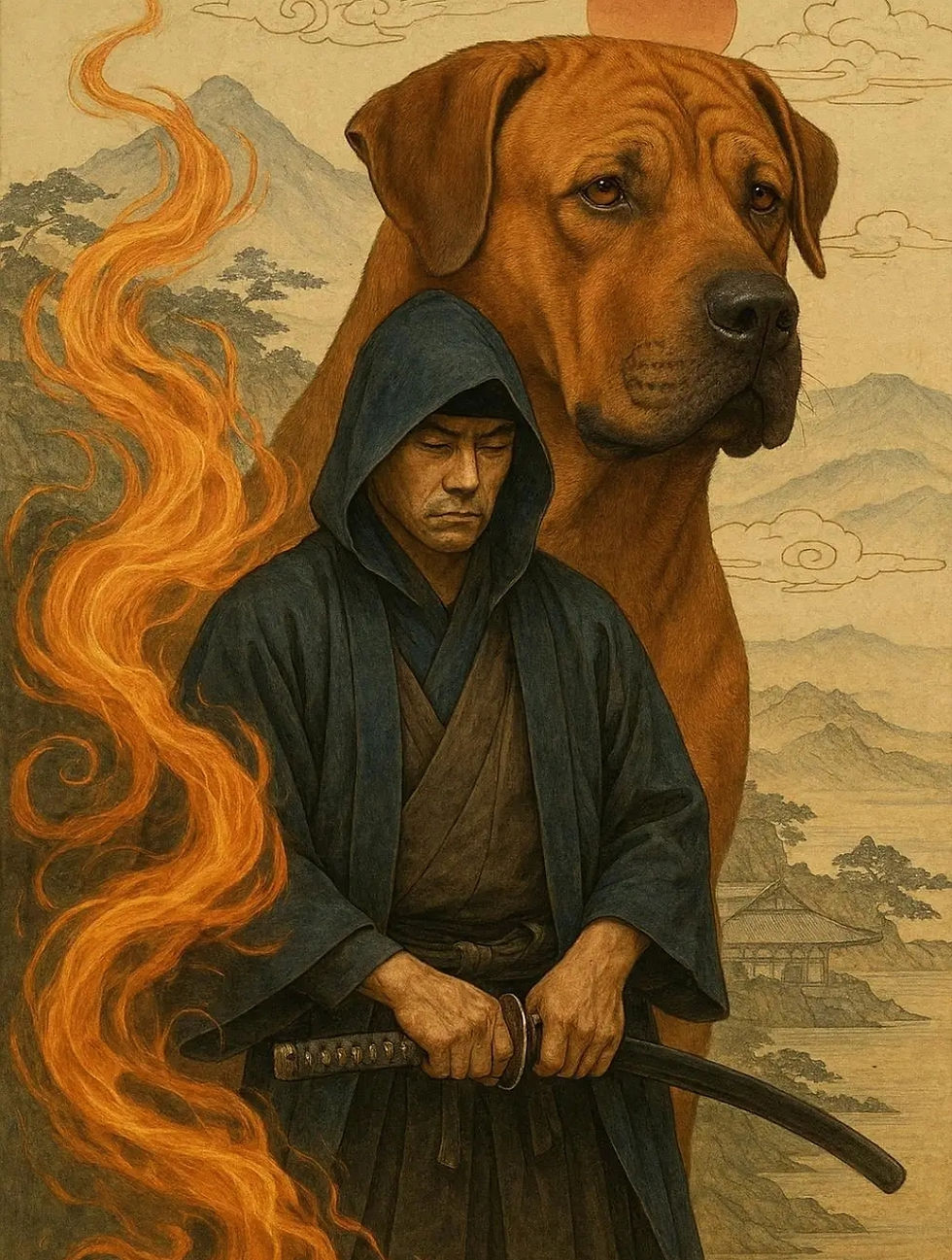
The Tosa Inu (Japanese Tosa) is banned in the UK.
Under the Dangerous Dogs Act 1991, it is illegal to own, breed, sell, give away, or abandon a Japanese Tosa without a specific court-issued exemption. This ban applies across the entire United Kingdom (England, Wales, Scotland, and Northern Ireland).The prohibited breeds/types are:
Pit Bull Terrier
Japanese Tosa
Dogo Argentino
Fila Brasileiro
(Additionally, the XL Bully was added in stages starting late 2023, fully banned in England and Wales by 2024, with similar restrictions elsewhere.)
Why is it banned?
The Tosa was originally bred in Japan for dog fighting, resulting in a large, powerful build with high strength and potential for aggression if not properly managed. The Act targets breeds historically associated with fighting to prevent public safety risks, even though individual dogs' temperament varies greatly with training and socialization.
Exceptions
Very rarely, owners can apply for a Certificate of Exemption through the courts (via the Index of Exempted Dogs). If granted, strict rules apply:The dog must be neutered
Microchipped
Third-party insurance required
Muzzled and on a lead in public
Kept securely at home
In practice, exemptions for Tosas are extremely uncommon due to the breed's rarity and the Act's strict criteria.This information is current as of 2025, per official UK government guidance (GOV.UK) and the Dangerous Dogs Act. Breed-specific legislation remains controversial, with critics arguing it focuses on appearance over behaviour, but no changes have removed the Tosa from the list.


Shop MuscleMatrix Muscle Building Performance & Health Chew HERE official store best deal

Shop Stunning Collars and Leads . HERE
Limited Editions, Artisans Crafted Huge Savings On Rrp


DOM-INATE Muscle Gain For All Breeds HERE

Check out more shops and media pages HERE


Comments