


Senior Dog Care: Supporting Mobility, Combating Muscle Loss (Sarcopenia), and Helping Your Ageing Companion Thrive

Senior Dog Care: Supporting Mobility, Combating Muscle Loss (Sarcopenia), and Helping Your Ageing Companion Thrive
As dogs enter their senior years, maintaining their mobility, muscle condition, and overall quality of life becomes increasingly important. While many owners expect some slowing down with age, significant muscle loss is not something that should simply be accepted as "part of getting old."
One of the most common but often overlooked conditions affecting older dogs is sarcopenia — the age-related loss of muscle mass, strength, and physical function.
This progressive decline can affect everything from daily walks and playtime to your dog's long-term health and longevity.
What Is Sarcopenia in Dogs?
Sarcopenia is the gradual loss of skeletal muscle that occurs naturally with ageing. Unlike muscle loss caused by illness or injury, sarcopenia develops over time as the body becomes less efficient at maintaining muscle tissue.
Research suggests muscle loss may begin as early as 7–8 years of age, depending on breed size and genetics.
As dogs age:
Muscle protein breakdown increases
Muscle protein production decreases
Activity levels often reduce
Recovery from exercise becomes slower
Hormonal changes affect muscle maintenance
The result is a gradual decline in strength, mobility, and physical performance.

Signs of Muscle Loss in Senior Dogs
Many owners do not notice sarcopenia until it becomes advanced.
Common signs include:
✔ Loss of muscle around the hips and hindquarters
✔ Weakness in the back legs
✔ Difficulty standing up
✔ Struggling with stairs
✔ Reluctance to jump into cars or onto furniture
✔ Reduced stamina during walks
✔ Slower movement
✔ Increased sleeping
✔ Weight changes despite normal feeding
✔ Reduced enthusiasm for exercise
In many cases, muscle loss occurs alongside arthritis, making mobility problems even worse.

Why Is My Old Dog Weak in the Back Legs?
One of the most common searches from senior dog owners is:
"Why are my dog's back legs getting weak?"
Age-related muscle loss is often a major contributor.
When muscle mass declines, the muscles supporting the hips, knees, and spine become less effective.
This creates:
Reduced stability
Increased joint stress
Poor balance
Greater risk of slips and falls
Faster progression of mobility issues
Maintaining muscle mass is one of the most effective ways to support ageing dogs and help them remain active for longer.

The Hidden Connection Between Arthritis and Muscle Loss
Many owners focus entirely on joint health while overlooking muscle condition.
However, healthy muscles are essential for supporting ageing joints.
When dogs lose muscle:
Arthritis symptoms often worsen
Joint loading increases
Pain can become more noticeable
Mobility declines faster
This is why many veterinary professionals now recommend addressing both muscle health and joint health simultaneously.

Shop Hench Range
How to Help an Older Dog Build and Maintain Muscle
Although ageing cannot be stopped, muscle loss can often be slowed significantly.
The best results come from combining:
Regular Exercise
Consistent low-impact exercise remains one of the most effective ways to preserve muscle.
Good options include:
Daily walks
Swimming
Hydrotherapy
Gentle hill walking
Balance exercises
Controlled resistance activities
Consistency is more important than intensity.
Even short daily sessions can provide significant benefits.
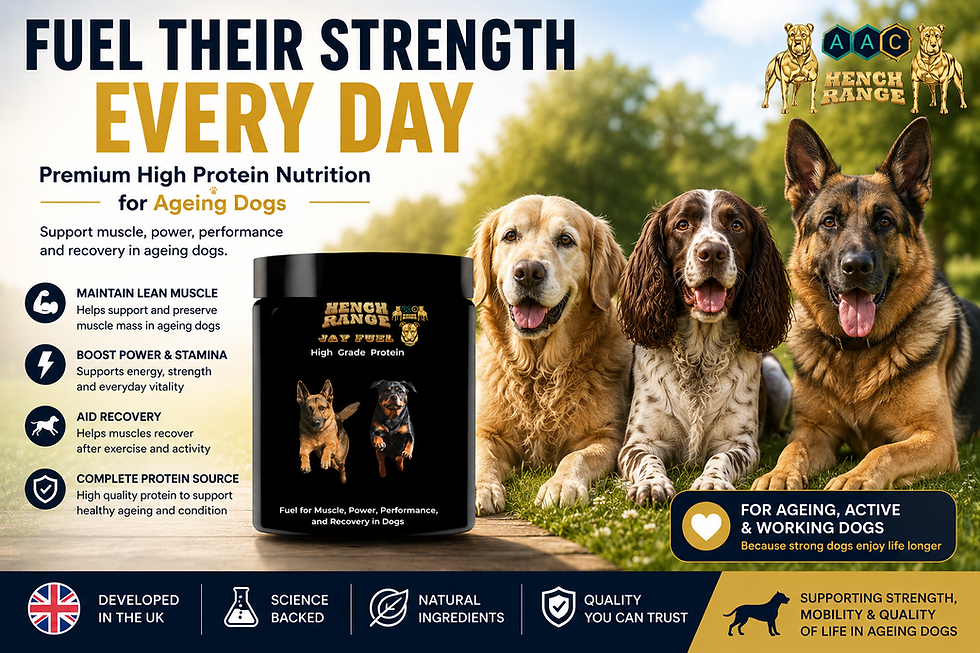
High-Quality Protein Is Essential for Senior Dogs
One of the biggest mistakes made with ageing dogs is reducing protein intake.
Modern research shows healthy senior dogs often require more protein, not less.
High-quality protein helps:
✔ Maintain lean muscle mass
✔ Support recovery
✔ Improve strength
✔ Promote healthy ageing
✔ Support immune function
Protein quality matters just as much as quantity.
Look for highly digestible animal-based protein sources with complete amino acid profiles.
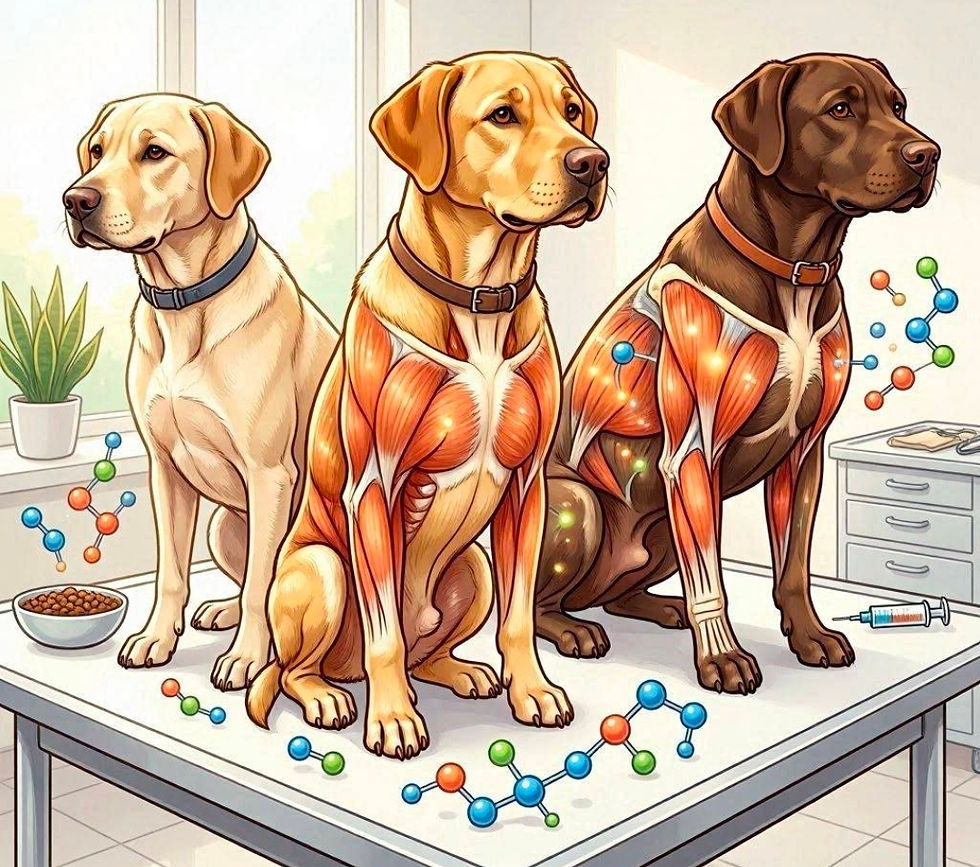
The Importance of Amino Acids for Muscle Maintenance
Amino acids are the building blocks of muscle tissue.
Certain amino acids become especially important in older dogs:
Leucine
Helps trigger muscle protein synthesis.
Branched Chain Amino Acids (BCAAs)
Support recovery and muscle preservation.
Essential Amino Acids (EAAs)
Provide the raw materials needed to maintain lean muscle tissue.
Older dogs often experience anabolic resistance, meaning they need stronger nutritional support to stimulate muscle growth and repair.

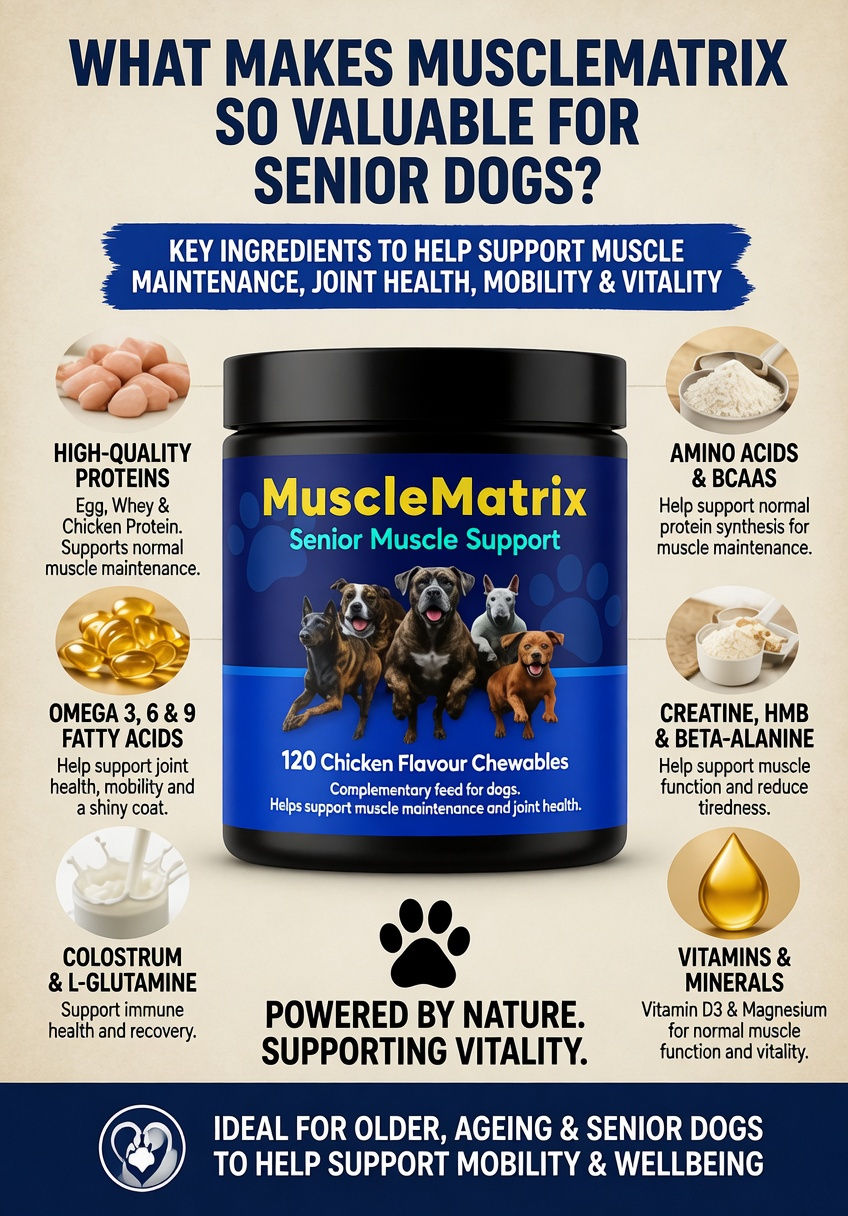
These Are the Supplements for Muscle Loss in Dogs
Targeted muscle-building supplements can provide valuable support when combined with a quality diet and appropriate exercise programme.
Formulas rich in:
High-quality protein
Amino acids
Creatine
DMG
Recovery nutrients
may help support:
✔ Muscle maintenance
✔ Strength
✔ Recovery
✔ Mobility
✔ Healthy ageing
Products such as the Hench Range from Advanced Animal Care, including
MuscleMatrix®, JayFuel®, and Empower®, are designed to support muscle condition, performance, recovery, and strength in both ageing and active dogs.
For many owners, these supplements become particularly valuable when dogs begin showing signs of age-related muscle decline.

Best Supplements for Senior Dogs
Several evidence-based supplements are receiving increasing attention for ageing dogs.
Omega-3 Fatty Acids
May help reduce inflammation and support mobility.
HMB (Beta-Hydroxy Beta-Methylbutyrate)
Derived from leucine and may help reduce muscle breakdown while supporting muscle protein synthesis.
Ursolic Acid
Recent studies suggest it may help support muscle preservation and physical activity.
Antioxidants
Help combat oxidative stress associated with ageing.
Probiotics
May improve nutrient utilisation and digestive health.


Home Changes That Can Make a Huge Difference
Simple changes around the home can dramatically improve comfort.
Consider:
✔ Orthopaedic beds
✔ Non-slip flooring
✔ Support harnesses
✔ Ramps for vehicles
✔ Raised food and water bowls
✔ Easy-access sleeping areas
Small changes often produce immediate improvements in confidence and mobility.
When Should You Speak to Your Vet?
Schedule a veterinary assessment if your dog shows:
Noticeable muscle loss
Hind leg weakness
Difficulty standing
Mobility changes
Weight loss
Reduced appetite
Exercise intolerance
Early intervention often produces better long-term outcomes.
Regular senior wellness checks can identify issues before they become severe.

Can Older Dogs Gain Muscle Again?
This is another frequently searched question.
The answer is:
Yes — many senior dogs can improve muscle condition.
While they may not regain the muscle mass of a young adult dog, many older dogs show significant improvements through:
Appropriate exercise
Increased protein intake
Amino acid support
Weight management
Veterinary guidance
Quality supplementation
The earlier intervention begins, the better the potential results.

Advanced Animal Care Hench Range – Premium Muscle Support for Senior & Ageing Dogs
If your senior dog is showing signs of muscle loss, the Hench Range from Advanced Animal Care is specifically designed to help.
These vet-formulated supplements focus on muscle building, recovery, and performance:
MuscleMatrix – Muscle building & performance chews
JayFuel – High-protein (up to 70%) powder for muscle recovery
Empower – Muscle gainer with Creatine & DMG
Jackedbite – Muscle training chews
Many products are currently on sale with big discounts and free shipping UK .
They are ideal for active, working, or senior dogs needing extra support for strength, mobility, and healthy weight
maintenance.→ Shop the Hench Range here: https://www.advancedanimalcare.shop/copy-of-supplements
These supplements complement a high-protein diet and gentle exercise to help slow muscle loss and support your dog’s vitality in their golden years.
Always consult your veterinarian before starting any new supplement, especially for senior dogs with existing health conditions.

MuscleMatrix Shop Here
Final Thoughts: Helping Your Senior Dog Thrive
Growing older does not have to mean giving up an active, enjoyable life.
By focusing on:
✔ High-quality nutrition
✔ Adequate protein
✔ Essential amino acids
✔ Muscle-support supplements
✔ Appropriate exercise
✔ Joint support
✔ Regular veterinary care
you can help maintain strength, mobility, confidence, and quality of life throughout your dog's golden years.
Many senior dogs can continue enjoying walks, adventures, and family life for years with the right support.
If your dog is showing signs of muscle loss, weakness, or reduced mobility, now is the time to take action and give them every opportunity to thrive in their later years.


Comments