


The Irish Staffordshire Bull Terrier: Born in the Brutal Pits, Forged into Family Heroes
Updated: Dec 16, 2025

Ever wondered how a dog bred for blood-soaked pits transformed into a loyal “nanny dog” you’d trust with your kids? The Irish Staffordshire Bull Terrier—affectionately dubbed the Irish Staffy—carries a gritty, fascinating history that’s as intense as its muscular frame. While not officially recognized by major kennel clubs like the Irish Kennel Club, it’s often considered a variant of the Staffordshire Bull Terrier, possibly influenced by American Pit Bull Terrier lines for a larger, tougher build. Its roots lie in the brutal world of 19th-century Britain, where dog fighting and bull-baiting were savage spectacles, and its evolution into a beloved companion is a tale of resilience and redemption.

The Bloody Birth of the Breed
The story begins in the early 1800s in England, where the Irish Staffy’s ancestors emerged from a ruthless cross between Old English Bulldogs and various terriers. Bulldogs, bred for their tenacity in pinning bulls by the nose or ear during baiting, brought raw power, while terriers added agility and a fierce hunting instinct. These early hybrids were crafted for a single purpose: to entertain bloodthirsty crowds. Bull-baiting, where dogs attacked tethered bulls, was a popular sport until it was outlawed in 1835 under the Cruelty to Animals Act. Undeterred, enthusiasts shifted to dog fighting, pitting these tenacious dogs against each other in dark pits for gambling and glory.

The first “Staffordshire Bull Terriers
likely appeared in the industrial Midlands, particularly around Staffordshire, where miners and factory workers bred them for their compact size—ideal for the cramped fighting arenas—and unyielding spirit. These pioneers were stocky, weighing 30-40 pounds, with powerful jaws and a fearless demeanor. Their creation wasn’t about companionship but survival and spectacle, with breeders selecting for aggression, endurance, and the ability to withstand punishment. Fights often lasted until one dog could no longer continue, with injuries like torn ears, broken teeth, and deep gashes being common.

MuscleMatrix Dog Muscle Gainer Buy HERE
The Fighting Legacy
As dog fighting spread to Ireland, the breed adapted. The term “Irish Staffy” may have emerged as a way to navigate breed-specific legislation or to denote crossbreeds with Pit Bull-type dogs, creating a slightly larger, more robust version—55-75 pounds and 17-24 inches tall. Irish pits were notorious for their ferocity, with matches held in secret barns or backyards, fueled by wagers and local pride. These dogs were trained to lock jaws and resist release, a trait that made them formidable but also showcased their incredible determination. Handlers used crude methods—starvation, teasing with prey, and even beating—to heighten their aggression, though some cared for their dogs’ wounds post-fight, hinting at an early bond.

The fights weren’t just sport; they were a cultural ritual. In working-class communities, owning a winning dog brought status, and the dogs’ loyalty to their handlers—despite the cruelty—laid the groundwork for their later reputation. By the late 19th century, as public opinion turned against blood sports, breeders began shifting focus, selecting for gentler traits to create a dog suitable for families.
From Pits to Protectors
Training remains a challenge, with their stubborn streak requiring positive reinforcement and patience. But the reward? A companion who’ll cuddle up after a long day, their expressive eyes melting frustration. Culturally, imagine them as heirs to Celtic warrior hounds, their strength echoing Ireland’s legends.

Got an Irish Staffy story? Share it in the comments—whether it’s a tale of bravery or a gritty training battle, let’s celebrate these pit-born heroes!
About the AuthorThis post draws from historical insights and modern tales of the Irish Staffy, blending its dark past with its bright present. Follow us for more breed deep dives and accessory ideas!
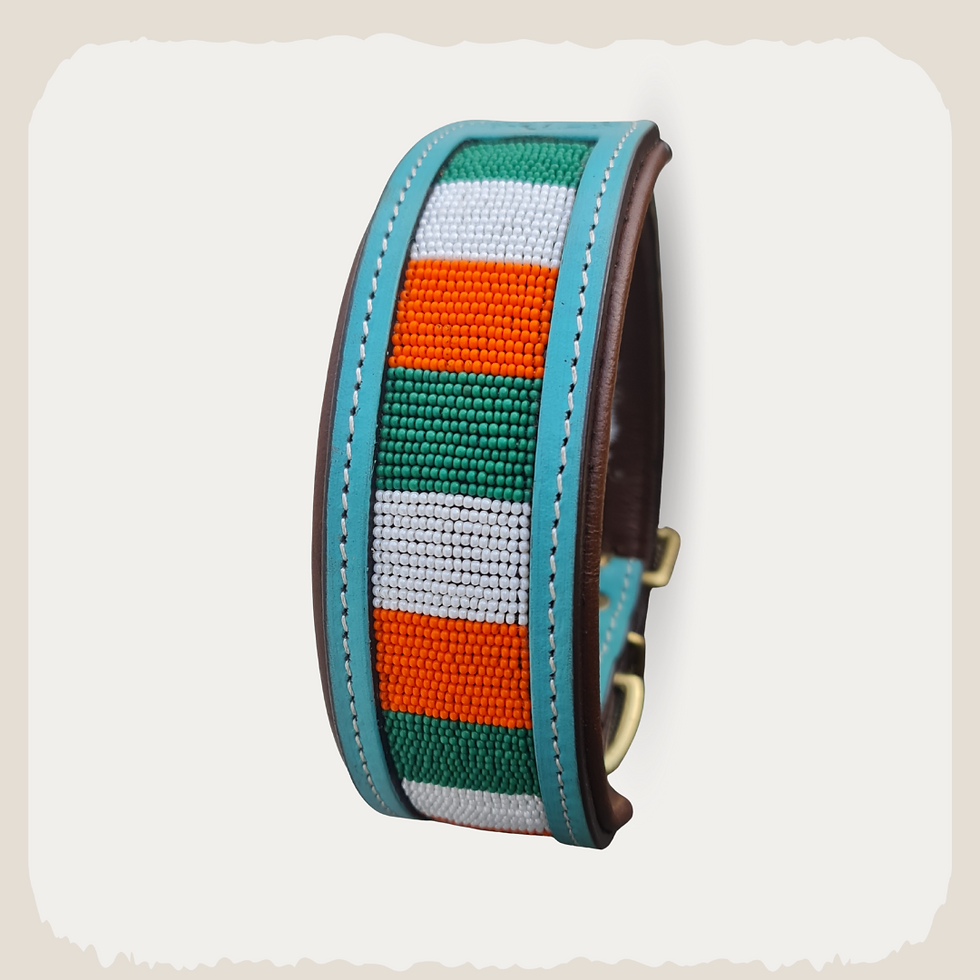
SHOP COLLAR HERE

Staffordshire Terrier Muscle Gain with MuscleMatrix Shop HERE

Hench Range Jayfuel High Protein For Muscle, Active, Working, Rehab Dogs Buy Now HERE


Comments