


Unleashing the Truth: A Guide to Bull Breed Dogs
- Dec 19, 2025
- 4 min read

Hey there, dog lovers! If you've ever crossed paths with a stocky, muscular pup with a
big grin and an even bigger heart, chances are you've met a bull breed dog. Often called "bully breeds," these dogs have a rich history, tons of personality, and unfortunately, a fair share of misconceptions. In this blog, we'll
dive into what makes these breeds special, highlight some popular ones, share accurate details on their traits, debunk myths, and
sprinkle in some fun facts to keep things lively. Whether you're considering adding one
to your family or just curious, let's get
started!
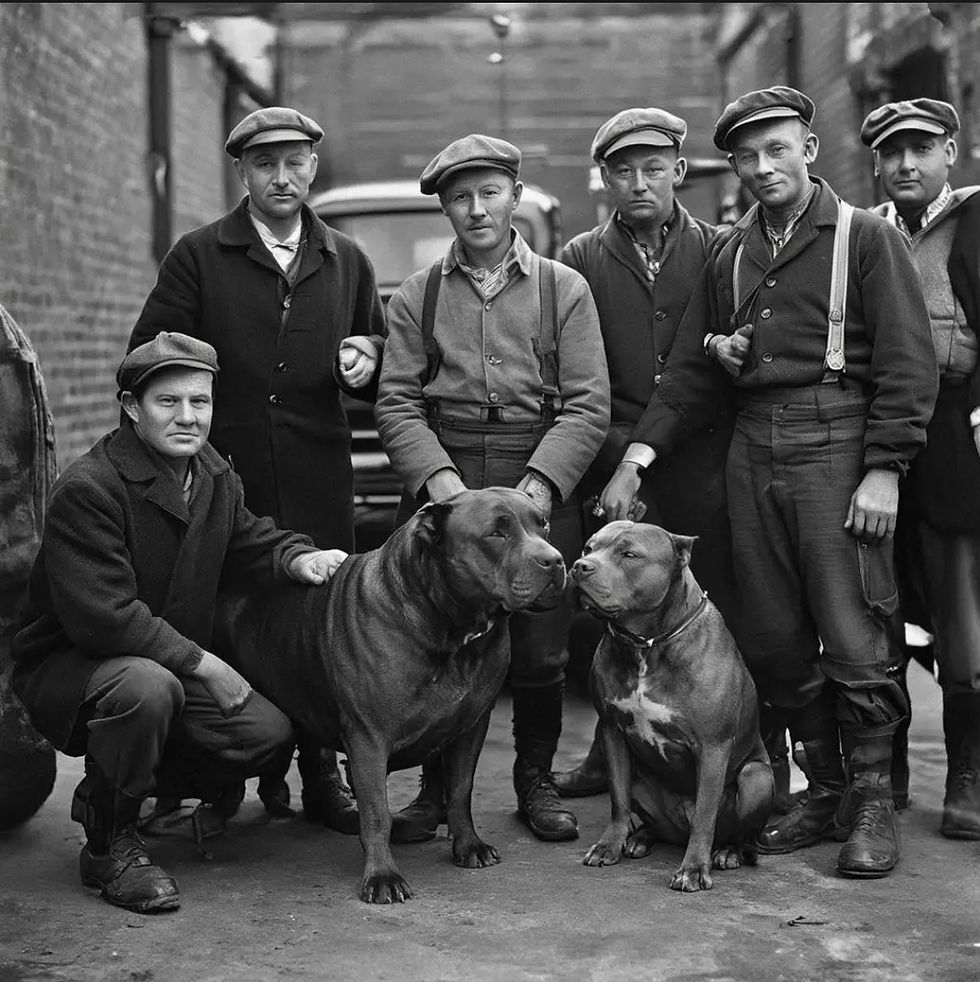
A Brief History of Bull Breeds
Bull breed dogs trace their roots back to ancient Molosser dogs, which were large, powerful working dogs used for guarding and herding. In the 19th century in England, they were bred from bulldogs and terriers for blood sports like bull-baiting—a brutal practice where dogs would latch onto a bull's nose to immobilize it. Thankfully, bull-baiting was banned in 1835, and these dogs transitioned into farm helpers, ratters, and eventually beloved family companions. Many were brought to America, where breeds like the American Pit Bull Terrier evolved. Today, they're celebrated for their loyalty and versatility, but their past has led to breed-specific legislation in some areas

Popular Bull Breed Dogs and Their
Characteristics
Bully breeds share common traits like broad heads, muscular builds, and strong jaws,
but each has its own flair. Here's a rundown of some key ones, based on breed
standards and expert insights:
American Pit Bull Terrier (APBT): Athletic and energetic, weighing 30-85 pounds. They're known for their intelligence, eagerness to please, and clownish personalities. With proper socialization, they're gentle with families but have a high prey drive from their history.
Staffordshire Bull Terrier: Compact (25-40 pounds) and affectionate, often called "Staffies." They're playful, courageous, and great with kids—earning the nickname "nanny dogs" in the UK for their protective yet gentle nature.
American Staffordshire Terrier (AmStaff): Similar to the APBT but stockier (40-70 pounds). Confident, good-natured, and loyal, they excel in obedience and therapy work. They thrive on mental stimulation and exercise.
Bull Terrier: Famous for that egg-shaped head and mischievous energy (45-65 pounds). They're playful clowns who love games but can be stubborn, so early training is key.
American Bulldog: Larger (60-120 pounds) and more athletic, with a protective streak. They're versatile farm dogs turned companions, known for their strength and loyalty.
English Bulldog: The wrinkly icon (40-50 pounds), laid-back and affectionate. They're low-energy couch potatoes but prone to health issues like breathing problems due to their brachycephalic (flat-faced) structure.
French Bulldog: Small (under 28 pounds) with bat ears and a charming personality. Adaptable to city life, they're playful and loving but also brachycephalic, so watch for overheating.
Irish Staffordshire Bull Terrier: A taller, more athletic variation of the Staffordshire Bull Terrier, typically 17-24 inches tall and weighing 55-77 pounds. Developed in Ireland from older fighting lines, this breed is energetic, courageous, and loyal, with tremendous stamina. It requires an experienced owner for proper training and socialization, as it can be strong-willed and needs plenty of exercise
Other breeds sometimes grouped in include the Boxer (energetic and protective), Boston Terrier (the "American Gentleman" with tuxedo markings), American Bully (muscular and friendly companion), Olde English Bulldogge (a recreation of healthier historical bulldogs), and Alapaha Blue Blood Bulldog (rare, protective working breed). Overall, these dogs are medium to large, with short coats in various colours, and lifespans of 10-15 years

Banned Bull Breeds in the UK
In the UK, under the Dangerous Dogs Act, certain bull-type dogs are prohibited based on appearance rather than pedigree. As of 2025, the banned types include:
Pit Bull Terrier type (often including dogs resembling American Pit Bull Terriers or mixes)
Japanese Tosa
Dogo Argentino
Fila Brasileiro
XL Bully type (added recently; ownership requires an exemption certificate, neutering, muzzling in public, and other strict rules)
These bans focus on physical characteristics, and critics argue they are ineffective, as behaviour depends more on training and ownership than breed.
Temperament: Loyal Hearts Behind the Muscle
Contrary to stereotypes, bull breeds are not inherently aggressive. Aggression is influenced by environment, training, and socialization—not breed. They're often described as affectionate, people-oriented, and eager to bond. Many pass temperament tests at rates higher than some popular breeds. However, their strength means responsible ownership is crucial—early training, exercise (at least 30-60 minutes daily), and positive reinforcement are musts.

Debunking Common Misconceptions
Myth: They have "locking jaws." Fact: No dog has locking jaws; their bite strength is similar to other large breeds.
Myth: Pit bulls are unpredictable and vicious. Fact: Media sensationalism skews perceptions, but studies show no breed is more prone to aggression. Many attacks involve unaltered, unsocialized dogs from irresponsible owners.
Myth: They're bad with kids or other pets. Fact: With proper intros, they're often gentle. Their history in dogfighting can lead to dog aggression in some lines, but it's not universal—socialize early!
Breed-specific bans don't reduce bites; education and enforcement of general dog laws do.
Fun Facts to Wag Your Tail About
War Heroes: Sergeant Stubby, a pit bull mix, served in WWI, detecting gas attacks and capturing a German spy. He was promoted to sergeant and met three U.S. presidents!
Celebrity Status: Helen Keller's guide dog was a pit bull named Sir Thomas. Other famous owners include Theodore Roosevelt and modern stars like Jessica Biel.
Pop Culture Icons: Petey from "The Little Rascals" was an American Pit Bull Terrier with a signature eye ring. And Spuds MacKenzie, the Bud Light mascot, was a Bull Terrier party animal in the '80s ads.
Super Smilers: Bull breeds are known for their "pibble grins"—wide, toothy smiles that show off their happy-go-lucky side.
Nanny Dogs No More?: While the "nanny dog" label for Staffies comes from their kid-loving rep, experts advise never leaving any dog unsupervised with children—just good sense!

Caring for Your Bully Buddy
These dogs need a balanced diet, regular vet check-ups (watch for hip dysplasia, allergies, or brachycephalic issues in flat-faced breeds), and plenty of love. Grooming is easy with short coats, but they shed moderately. Adoption from rescues is a great option—many bullies end up in shelters due to myths.


Muscles
Bull breeds, often known as bully breeds, are renowned for their naturally muscular, stocky builds, featuring broad chests, powerful shoulders, and strong jaws—a legacy from their historical roles in tasks requiring strength and agility, such as bull-baiting and farm work. Breeds like the Staffordshire Bull Terrier exhibit a compact, athletic musculature suited to their energetic yet affectionate nature, while others, particularly the American Bully (including XL varieties), are selectively bred for exaggerated muscle mass, resulting in imposing, heavily defined physiques that emphasize lean power and impressive definition. Some owners find it challenging to achieve or maintain this desired muscle tone due to factors like genetics, age-related muscle loss, recovery from injury, or inadequate nutrition and exercise, while others actively seek extra muscle for aesthetic reasons, such as conformation shows, weight-pulling competitions, or simply to enhance the breed's signature "hench" appearance; in these cases, responsible owners turn to safe, vet-approved muscle-building products like those from the Hench Range, which include amino acids, creatine, and essential nutrients in chewable form to support lean muscle growth, strength, stamina, and overall vitality without harmful steroids.

SHOP HENCH RANGE MUSCLE AND PERFORMANCE FUEL. HERE OFFICIAL STORE
EBAY HERE
AMAZON HERE





Comments