


Arthritis in Dogs and Muscle Wasting: Understanding the Vicious Cycle of Canine Osteoarthritis and Muscle Atrophy
- Apr 27
- 5 min read
Updated: May 2

If your senior dog is showing signs of hind leg weakness, thinning muscles, or difficulty getting up, arthritis in dogs (also known as canine osteoarthritis) could be playing a major role.
Many pet parents notice muscle wasting or muscle atrophy alongside joint issues, but few realize how closely the two conditions are linked. In fact, dog arthritis muscle wasting often creates a frustrating cycle that speeds up mobility decline if left unaddressed
How Arthritis in Dogs Causes Muscle Wasting and Atrophy
Osteoarthritis in dogs leads to painful, inflamed joints—most commonly in the hips, knees (stifles), elbows, or spine. Because of the discomfort, dogs instinctively reduce movement and avoid putting full weight on affected limbs.
This lack of use triggers disuse atrophy, where muscles shrink and weaken over time.
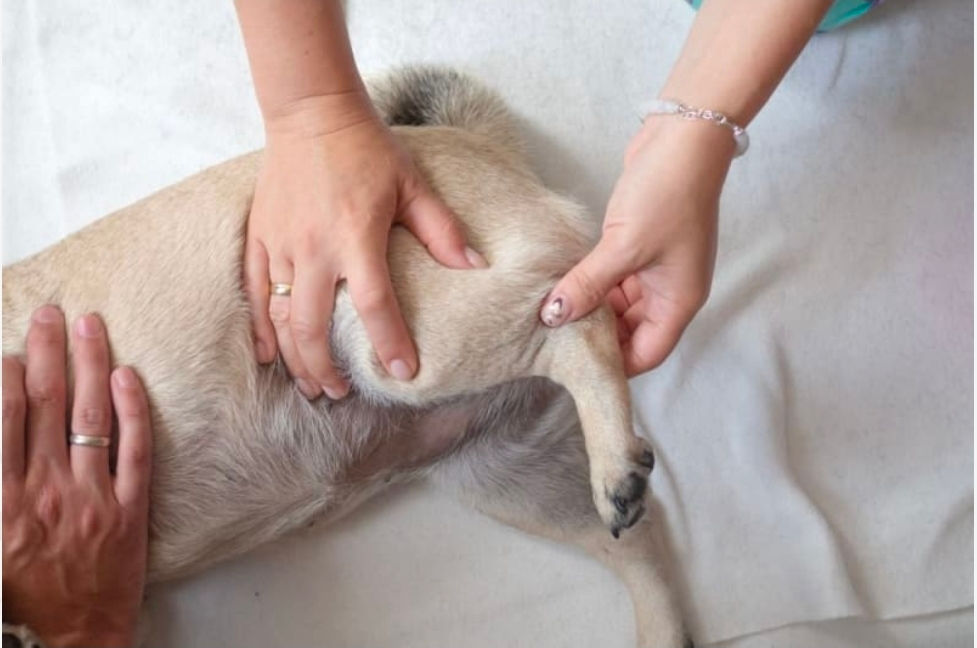
The result? Visible muscle loss in dogs, especially noticeable in the hind legs. You might see thinner thighs, a weaker rear end, or your dog shifting weight forward onto stronger front legs and shoulders.
This uneven muscle development is a classic sign of arthritis-related muscle atrophy in senior dogs
Age-related sarcopenia in dogs (natural muscle loss as dogs get older) often overlaps with canine arthritis, making the problem even worse. Without strong muscles to support the joints, everyday activities like walking, climbing stairs, or jumping become harder.

Why Muscle Wasting Makes Dog Arthritis Worse
The relationship goes both ways. Muscle atrophy in dogs reduces the natural “shock absorbers” and stabilizers around the joints. With less muscular support, the already damaged cartilage and bones face extra stress, accelerating joint degeneration and increasing pain.
This leads to even less activity → more muscle loss → greater joint instability. It’s a vicious cycle that can quickly impact your dog’s quality of life.
Untreated hind leg weakness in dogs from arthritis and muscle wasting is one of the top reasons pet owners consider mobility aids or harder decisions later on


Common Signs of Arthritis and Muscle Loss in Dogs
Watch for these key symptoms of dog arthritis symptoms combined with muscle wasting:
Thinning or uneven muscles, particularly in the hind legs (rear quarters look skinnier)
Difficulty rising from lying down, reluctance to jump, or trouble with stairs
Limping, stiffness after rest (that may “warm up” but worsens later), or altered gait like bunny hopping
Weight shifting to the front end (more muscular chest/shoulders)
Reduced activity, reluctance to play, or general lethargy
Visible joint swelling or sensitivity when touched
Early detection of arthritis in dogs muscle loss allows for much better management


Recommended Supplements to Help with Dog Arthritis and Muscle Wasting
Targeted nutrition plays a crucial role in breaking the cycle of arthritis in dogs and muscle wasting.
High-quality dog arthritis supplements that support muscle building and reduce inflammation can make a real difference, especially for senior dogs experiencing sarcopenia or hind leg weakness.
From the Hench Range at Advanced Animal Care, these options stand out for dogs with canine osteoarthritis and muscle atrophy:
Hench Range Empower with Creatine & DMG Dog Muscle Gainer — This multi-function muscle gainer is particularly helpful for muscle wasting in dogs due to ageing and arthritis. It supports maximum muscle building, raises health and immunity, extends endurance, improves oxygen delivery, and offers anti-inflammatory properties that can benefit dogs with joint issues.
Many owners report it as excellent support for senior dogs suffering from muscle wastage linked to arthritis
Canine Complete — Ideal for ageing dogs, palliative care, and those with joint & hip arthritis. It provides superior muscle and nutritional support to help combat muscle loss and maintain strength.
MuscleMatrix Dog Muscle Building / Performance Chews —
Helps strengthen surrounding muscles to alleviate arthritis and hip problems, improving stability, mobility, and overall comfort.
Jayfuel High Protein Muscle Health Supplement — Delivers high protein with omega-3 fatty acids and vitamins that reduce inflammation and support joint tissue repair — perfect for senior dogs prone to arthritis.
JackedBite Dog Muscle Building & Training Chews — Contains ingredients like turmeric and omega fish oil to reduce inflammation while supporting joint health and muscle maintenance in arthritic dogs. Packed with amino acids, higher calories so not idea for overweight dogs.
These supplements focus on building and preserving muscle mass (countering disuse atrophy), supporting joint stability, and reducing inflammation — directly addressing the vicious cycle of dog arthritis muscle wasting. They are particularly beneficial when combined with physical therapy and weight management


Breaking the Cycle: Effective Management for Dog Arthritis and Muscle Atrophy
The good news? You can interrupt this cycle with a multimodal approach focused on pain relief, muscle rebuilding, and joint support.
Always consult your veterinarian for a proper diagnosis (via exam, X-rays, or gait analysis) and personalized plan.
Key strategies include:
Pain control — Medications, joint supplements (glucosamine, chondroitin, omega-3s), or advanced options like injections to reduce discomfort and encourage normal movement.
Physical therapy for dogs with arthritis —
Hydrotherapy (underwater treadmill), controlled exercises, massage, laser therapy, and stretching help rebuild muscle strength without overloading painful joints.
Weight management — Extra pounds put more strain on arthritic joints; even modest weight loss can dramatically improve mobility and slow muscle wasting.
Targeted nutrition — Higher-protein diets and muscle-supportive supplements to combat sarcopenia in dogs and support recovery from muscle atrophy.
Low-impact exercise — Short, gentle walks, swimming, or therapeutic exercises to maintain muscle mass and joint flexibility.
Home modifications — Ramps, orthopedic dog beds, and non-slip flooring to make life easier and prevent further injury.


Veterinary rehabilitation and physical therapy are especially powerful for preserving and rebuilding muscle while managing canine osteoarthritis. Many dogs regain significant strength and enjoy a better quality of life for years with consistent care.
Don’t Wait — Act Early on Dog Arthritis Muscle Wasting
Muscle loss in senior dogs doesn’t have to mean the end of an active life.
By addressing arthritis in dogs and its link to muscle atrophy promptly, you can help your furry friend stay mobile, comfortable, and happy longer.If you’ve noticed any signs of hind leg weakness, thinning muscles, or stiffness in your dog, schedule a vet visit soon. Early intervention is the key to breaking the cycle of dog arthritis and muscle wasting.
Have you dealt with arthritis or muscle loss in your own dog?
Share your experiences in the comments below — your story might help other pet parents!

Take Action:
Support Your Dog’s Mobility Today
Muscle loss in senior dogs doesn’t have to mean the end of an active life.
By addressing arthritis in dogs and its link to muscle atrophy promptly — with proper vet care, exercise, and the right supplements — you can help your furry friend stay mobile, comfortable, and happy longer.
If your dog is showing signs of hind leg weakness or muscle wasting from arthritis,
Hench Range Empower is a powerful option worth considering alongside the other Hench Range products.
Explore the full range of muscle and joint support supplements designed specifically for dogs with arthritis and muscle wasting here:
a vet visit soon and consider adding targeted nutritional support like Empower to help rebuild strength. Early intervention is the key to breaking the cycle of dog arthritis and muscle wasting.



Comments