


Chapter 6: Nutrition for Muscle Development Fueling Muscle Growth, Repair & Performance
- 1 hour ago
- 22 min read
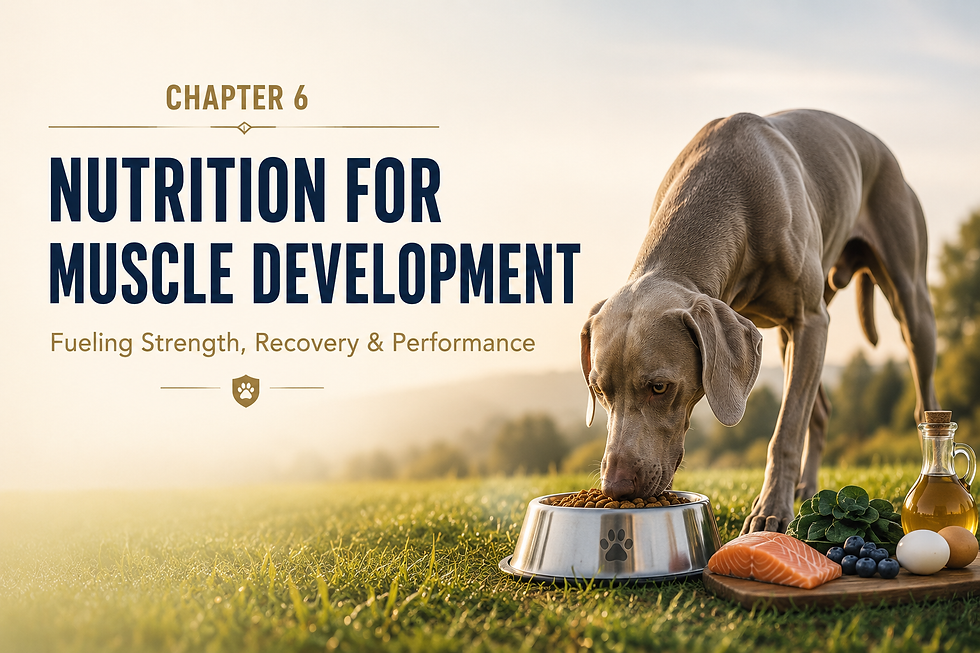
You've probably heard the saying, "You can't out-train a poor diet." The same is true for dogs.
Exercise may stimulate muscle development, but nutrition provides the raw materials the body needs to maintain, repair and support healthy muscle tissue. Without an appropriate diet, even the best training programme cannot provide the nutrients muscles require to function normally.
Whether your dog is a family companion, a show champion, a working partner or a sporting athlete, balanced nutrition forms the foundation of healthy muscle condition.
Muscle is far from an inactive tissue. It is constantly changing through a natural process known as protein turnover, where old muscle proteins are broken down and replaced with new ones. This cycle continues throughout your dog's life and is influenced by age, activity level, health, recovery and nutrition.
Every walk, game of fetch, agility session or day in the show ring places demands on the muscles. During exercise, tiny microscopic changes occur within muscle fibres. These are a normal part of physical activity. During the recovery period, the body repairs and maintains these tissues using nutrients obtained from the diet.
This is why recovery is just as important as exercise itself.
While protein often receives most of the attention, healthy muscles depend on much more than protein alone. Amino acids, healthy fats, vitamins, minerals, water and efficient digestion all work together to support normal muscle function, energy production and recovery.
Modern veterinary nutrition recognises that muscle health relies on the interaction of many nutrients rather than any single ingredient working in isolation.
Think of muscle like building a house.
Exercise provides the blueprint.
Recovery is the construction time.
Nutrition supplies the bricks, timber, cement and tools.
Without all of these working together, the structure cannot be built or maintained effectively.
Throughout this chapter we'll explore how nutrition supports healthy muscle condition, why balanced diets remain the foundation of canine health, and how complementary feeds can fit alongside an appropriate feeding programme to support active, working and show dogs.
By understanding the science behind muscle nutrition, you'll be better equipped to make informed feeding decisions that help support your dog's strength, posture, movement and overall physical condition throughout every stage of life.
In This Chapter
Why nutrition is essential for healthy muscle development
Understanding protein and why quality matters
Essential amino acids and muscle maintenance
Healthy fats and their role in muscle function
Vitamins and minerals that support normal muscle function
Hydration and muscle performance
Gut health and nutrient absorption
Feeding for different lifestyles and activity levels
The role of complementary feeds
Common nutritional mistakes to avoid
Exercise may challenge the muscles, but nutrition helps support the body's natural processes of maintaining and repairing them. When combined with appropriate training, recovery and overall care, balanced nutrition provides the foundation for healthy muscle condition throughout your dog's life
6.1 Muscle Is Built in the Kitchen as Well as the Field

Many people think muscles are built during exercise. In reality, exercise provides the stimulus, while nutrition and recovery provide the resources the body needs to maintain and repair muscle tissue.
Every time your dog walks, runs, jumps, climbs a hill or completes a training session, thousands of muscle fibres contract to produce movement. This activity places normal physical demands on the muscles and creates microscopic changes within the muscle fibres. These changes are a natural part of exercise and are not harmful in a healthy dog.
Following exercise, the body begins a process of maintenance and repair. During this recovery phase, nutrients from the diet are used to support normal muscle function and replace worn proteins. Without adequate nutrition, the body has fewer building blocks available to support these natural processes.
Veterinary nutritionists often describe muscle as a tissue in a constant state of protein turnover. Rather than remaining unchanged, muscle is continuously renewing itself through two opposing processes:
Muscle Protein Synthesis (MPS) – the process of building and replacing muscle proteins.
Muscle Protein Breakdown (MPB) – the normal process of breaking down older or damaged muscle proteins.
These two processes occur continuously throughout your dog's life. In healthy dogs, they exist in a dynamic balance, helping maintain lean muscle mass and normal muscle function.
Exercise, rest and nutrition all influence this balance. Appropriate physical activity provides the signal for the body to adapt, while balanced nutrition supplies the amino acids, energy, vitamins and minerals required to support normal muscle maintenance.
Recovery is equally important. Muscles require time between training sessions to adapt to the demands placed upon them. Without adequate recovery, muscles may not have sufficient opportunity to complete their normal repair processes before being challenged again.
This is why successful conditioning programmes always combine three key elements:
Appropriate exercise
Balanced nutrition
Adequate recovery
No single element can replace the others.
Whether your goal is improving your dog's condition for the show ring, supporting a working dog through a busy season, or helping an ageing companion maintain muscle as they grow older, these three principles remain the foundation of healthy muscle management.
6.2 Protein: The Foundation of Healthy Muscle

When people think about building or maintaining muscle, protein is usually the first nutrient that comes to mind—and for good reason. Protein provides the amino acids the body needs to support the maintenance, repair and normal function of muscle tissue.
However, protein is far more than a muscle-building nutrient. It is essential for virtually every cell in the body and plays a role in the skin, coat, immune system, enzymes, hormones and many other biological processes.
Unlike fat and carbohydrates, the body has only a limited reserve of amino acids. This means dogs rely on a regular dietary supply of high-quality protein to meet their ongoing nutritional needs.
What Is Protein?
Proteins are large, complex molecules made from smaller units called amino acids. You can think of amino acids as individual building blocks. When joined together in different sequences, they form thousands of different proteins, each with its own specialised function.
Some proteins help muscles contract.
Others transport oxygen, repair tissues, support immunity or aid digestion.
Because proteins have so many roles, the body constantly breaks down older proteins and replaces them with new ones. This continual renewal is part of normal health and highlights why a consistent supply of dietary protein is so important.
Protein Quality Matters More Than Quantity
Not all proteins are equal.
The nutritional value of a protein depends on several factors, including:
Its amino acid profile
How easily it is digested
How efficiently the body can use it
This is why veterinary nutritionists often focus on protein quality, not simply the percentage of protein listed on the label.
A food containing a moderate amount of highly digestible, complete protein may provide more nutritional value than one with a higher protein percentage but poorer digestibility.
Complete and Incomplete Proteins
A complete protein contains all the essential amino acids a dog requires in appropriate proportions.
Examples include many animal-derived proteins such as:
Whey protein
Eggs
Fish
Poultry
Beef
Some plant proteins can contribute valuable amino acids but may not provide every essential amino acid in sufficient amounts when fed alone. For this reason, many complete diets combine several protein sources to achieve a balanced amino acid profile.
Does More Protein Always Mean More Muscle?
This is a common misconception.
Feeding excessive protein alone does not automatically produce larger muscles.
Muscle development depends on several interacting factors, including:
Appropriate exercise
Balanced nutrition
Adequate energy intake
Recovery
Overall health
Genetics
Age
Without appropriate physical activity, additional dietary protein is not simply converted into muscle.
Instead, the body uses protein where it is needed most to support its many normal functions.
Different Dogs, Different Requirements
Protein needs vary between individual dogs.
Factors influencing requirements include:
Growth
Pregnancy and lactation
Activity level
Breed
Age
Recovery from illness or surgery
Overall health status
Highly active working or sporting dogs may have different nutritional requirements from a sedentary companion dog, while senior dogs may benefit from diets formulated to help maintain lean body condition as they age.
Providing an appropriate, balanced diet suited to your dog's life stage and activity level remains one of the most effective ways to support healthy muscle condition.
Key Takeaway
Protein provides the raw materials needed to support normal muscle maintenance and many other essential functions throughout the body. However, healthy muscle depends on more than protein alone. The quality of the protein, its amino acid profile, overall diet, exercise and recovery all work together to support your dog's long-term health and physical condition.
6.3 Amino Acids: The Building Blocks of Muscle
If protein is the foundation of muscle development, amino acids are the individual building blocks that make that foundation possible.
Every muscle fibre in your dog's body is made from proteins, and every protein is constructed from chains of amino acids. Without an adequate supply of these essential nutrients, the body cannot effectively maintain, repair or replace muscle proteins as part of its normal physiological processes.
Scientists have identified more than 20 amino acids that play important roles in the body. Dogs can produce some of these themselves, while others must be obtained from their diet.
This is why the quality of dietary protein is so important. A protein source is only as valuable as the amino acids it provides.
Essential and Non-Essential Amino Acids
Amino acids are divided into two main groups.
Essential amino acids cannot be produced in sufficient quantities by the dog's body and therefore must be supplied through the diet.
These include amino acids such as:
Leucine
Isoleucine
Valine
Lysine
Methionine
Threonine
Phenylalanine
Tryptophan
Histidine
Without an adequate dietary supply of these essential amino acids, normal muscle maintenance and many other biological processes may be affected.
Non-essential amino acids can usually be produced by the body from other nutrients. Although the body can manufacture them, they remain vital for healthy tissues, metabolism and muscle function.
Examples include:
Glutamine
Alanine
Glycine
Proline
Serine
Aspartic acid
Under certain conditions, such as growth, ageing, illness or periods of intense physical activity, some non-essential amino acids may become more important because the body's demand can increase.
Branched-Chain Amino Acids (BCAAs)
Among all amino acids, three have received particular attention in both human and
veterinary sports nutrition:
Leucine
Isoleucine
Valine
These are collectively known as the branched-chain amino acids (BCAAs).
Unlike many other amino acids, BCAAs are used directly within skeletal muscle and are involved in normal muscle protein metabolism.
Of these, leucine has attracted the greatest scientific interest because it plays an important role in signalling the body's natural muscle protein synthesis pathways following exercise and protein consumption.
This is one reason why high-quality protein sources naturally rich in leucine are often valued in diets designed for active and working dogs.
More Than Just Muscle
Although amino acids are often associated with muscle development, their roles extend throughout the body.
They contribute to the normal production of:
Enzymes
Hormones
Immune proteins
Skin and coat proteins
Connective tissues
Neurotransmitters involved in nervous system function
This is another reason why balanced nutrition is so important. The body must continually prioritise essential functions before nutrients become available for maintaining muscle tissue.
Whole Nutrition Matters
While individual amino acids have been widely researched, they do not work in isolation. Healthy muscle depends on a complete nutritional picture that includes high-quality protein, adequate energy intake, vitamins, minerals, healthy fats and sufficient recovery.
Providing a complete and balanced diet remains the most reliable way to supply the broad range of amino acids needed to support your dog's normal muscle function and overall health.
Key Takeaway
Amino acids are the true building blocks of muscle. Complete, high-quality proteins supply the essential amino acids your dog cannot produce for itself, while a balanced diet helps ensure these nutrients are available to support normal muscle maintenance, recovery and overall wellbeing.
6.4 Healthy Fats: More Than Just Energy
When people think about nutrition for muscle development, protein usually receives most of the attention. However, healthy fats are equally important. They do far more than provide calories—they play essential roles in cell structure, energy metabolism and the normal function of many body systems.
For active, working and show dogs, dietary fat is an important source of fuel during prolonged, lower-intensity exercise. While carbohydrates provide readily available energy, fat supplies a concentrated source of energy that helps meet the demands of sustained activity.
Healthy fats also support the normal structure of every muscle cell. Each muscle fibre is surrounded by a membrane composed largely of lipids (fats), making dietary fat an important part of maintaining healthy tissues throughout the body.
Omega-3 Fatty Acids
Among the most widely studied fats in canine nutrition are the Omega-3 fatty acids.
The two best-known Omega-3s are:
EPA (Eicosapentaenoic Acid)
DHA (Docosahexaenoic Acid)
These long-chain fatty acids are commonly found in marine sources such as fish oil and algae.
Omega-3 fatty acids contribute to many aspects of normal canine health, including:
Supporting healthy skin and coat
Maintaining normal joint function
Supporting brain and eye development
Supporting cardiovascular health
Contributing to normal immune system function
For physically active dogs, Omega-3s also help maintain healthy muscle cell membranes, which are essential for normal muscle function.
Omega-6 Fatty Acids
Omega-6 fatty acids are another important group of essential fats.
Linoleic acid, one of the primary Omega-6 fatty acids, cannot be produced by the dog's body and must be supplied through the diet.
Omega-6s play recognised roles in:
Maintaining healthy skin
Supporting coat quality
Cell growth
Reproduction
Normal immune function
A balanced relationship between Omega-3 and Omega-6 fatty acids is considered an important part of overall canine nutrition.
Fat Is Not the Enemy
Some owners worry that feeding fat will simply make their dog overweight.
In reality, healthy dietary fat is an essential nutrient. Problems usually arise when total calorie intake consistently exceeds the dog's energy requirements, regardless of whether those calories come from fat, carbohydrates or protein.
Active dogs often require more dietary fat than less active companions because of their greater energy demands. Conversely, inactive dogs may need fewer calories overall to help maintain a healthy body condition.
Finding the right balance between energy intake and energy expenditure is one of the keys to maintaining healthy muscle condition without unnecessary weight gain.
Choosing Quality Fat Sources
Many complete canine diets include carefully selected fat sources to help provide essential fatty acids.
Examples include:
Fish oil
Algal oil
Chicken fat
Flaxseed
Evening primrose oil
Each contributes different fatty acids that support various aspects of health.
When selecting a diet or complementary feed, it's worth considering not only the quantity of fat but also the quality and diversity of the fat sources provided.
Key Takeaway
Healthy fats are far more than an energy source. They contribute to healthy muscle cells, skin, coat, joints and many other vital body systems. Alongside high-quality protein, vitamins and minerals, they form an important part of a balanced nutritional programme that supports your dog's overall health and physical condition.
6.5 Vitamins & Minerals: The Unsung Heroes of Muscle Health
When discussing muscle development, protein often takes centre stage. However, without the right vitamins and minerals, muscles cannot function efficiently. These essential micronutrients support everything from muscle contraction and nerve signalling to energy production and tissue maintenance.
Although required in much smaller amounts than protein or fat, vitamins and minerals are involved in hundreds of biochemical reactions throughout the body. A deficiency in even one key nutrient can affect normal muscle function and overall health.
Rather than acting independently, these nutrients work together to help keep your dog's muscles performing at their best.
Calcium: More Than Strong Bones
Calcium is best known for supporting healthy bones and teeth, but it also plays a critical role in muscle contraction.
Every time a muscle contracts, calcium ions are released within the muscle fibres. This allows the muscle proteins actin and myosin to interact, producing movement. Once the contraction is complete, calcium is returned to storage, allowing the muscle to relax.
Maintaining normal calcium levels is therefore essential for healthy muscle and nerve function.
Phosphorus: Supporting Energy Production
Phosphorus works closely with calcium to support healthy bones, but it also forms part of adenosine triphosphate (ATP)—the body's primary energy molecule.
Every muscle contraction relies on ATP to provide energy. Without phosphorus, muscles cannot efficiently produce the energy needed for movement.
Magnesium: The Muscle Relaxation Mineral
Magnesium is involved in more than 300 enzymatic reactions within the body.
For muscles, it helps regulate normal contraction and relaxation while supporting nerve communication and energy metabolism.
Magnesium also contributes to normal protein synthesis, making it an important nutrient for maintaining healthy muscle tissue.
Vitamin D: Supporting Muscle Function
Vitamin D is well recognised for its role in calcium absorption and bone health, but research also shows it contributes to normal muscle function.
By helping regulate calcium balance within the body, Vitamin D indirectly supports healthy muscle contraction and overall musculoskeletal health.
Vitamin E: Helping Protect Muscle Cells
Exercise naturally increases metabolic activity within muscle tissue, producing unstable molecules known as free radicals.
Vitamin E is an antioxidant that helps protect cells from oxidative stress as part of the body's normal defence systems.
Maintaining adequate antioxidant intake helps support healthy tissues throughout the body, including skeletal muscle.
The B Vitamins: Turning Food Into Energy
The B-complex vitamins are essential for converting nutrients from food into usable energy.
These vitamins help support:
Normal energy metabolism
Nervous system function
Red blood cell production
Protein metabolism
Muscle function
Without sufficient B vitamins, the body's ability to efficiently utilise nutrients may be reduced.
Zinc & Selenium: Small Nutrients, Big Roles
Although only required in trace amounts, zinc and selenium contribute to numerous biological processes.
They help support:
Normal immune function
Healthy skin and coat
Protein synthesis
Antioxidant defence systems
Tissue maintenance and repair
These trace minerals are small in quantity but significant in importance.
A Balanced Diet Provides the Best Foundation
While individual vitamins and minerals each have recognised roles, they work as part of an interconnected nutritional system.
This is why veterinary nutritionists recommend feeding a complete and balanced diet that provides all essential nutrients in appropriate proportions, rather than focusing on individual vitamins in isolation.
For active, working and show dogs, ensuring adequate intake of these micronutrients helps support normal muscle function, efficient energy production and overall physical condition.
Key Takeaway
Vitamins and minerals may be needed in small amounts, but their impact on muscle health is substantial. From supporting muscle contraction and energy production to protecting cells and maintaining normal nerve function, these essential micronutrients help keep every movement smooth, efficient and well coordinated.
6.6 Hydration: The Most Overlooked Nutrient for Muscle Performance
When discussing muscle development, most people focus on protein, amino acids or exercise. Yet one of the most important nutrients is often overlooked—water.
Water is essential for virtually every biological process within your dog's body. It transports nutrients, regulates body temperature, supports digestion, lubricates joints and enables countless chemical reactions that keep muscles functioning normally.
In fact, skeletal muscle is made up of approximately 70–75% water. This means hydration is fundamental to maintaining healthy muscle tissue and supporting normal physical performance.
Why Hydration Matters
Every muscle contraction depends on water.
Muscles rely on a steady supply of fluids to transport oxygen and nutrients to working tissues while helping remove metabolic waste products produced during exercise.
Water also helps maintain normal blood volume, allowing the cardiovascular system to efficiently deliver oxygen and nutrients throughout the body.
Without adequate hydration, these processes become less efficient, making it more difficult for the body to support normal muscle function during activity.
Water and Temperature Regulation
Unlike humans, dogs have very few sweat glands. Instead, they regulate body temperature primarily through panting and by releasing small amounts of moisture through their paw pads.
During exercise or warm weather, dogs lose significant amounts of water through panting. If these losses are not replaced, dehydration can develop.
Maintaining hydration is therefore particularly important for:
Working dogs
Sporting dogs
Show dogs during warm weather
Dogs exercising for prolonged periods
Senior dogs
Electrolytes and Muscle Function
Water works alongside naturally occurring minerals known as electrolytes.
These include:
Sodium
Potassium
Chloride
Calcium
Magnesium
Electrolytes help regulate:
Muscle contraction
Nerve signalling
Fluid balance
Cellular communication
Maintaining normal electrolyte balance supports healthy muscle and nerve function throughout the body.
Recognising Mild Dehydration
Owners should be aware of the early signs that a dog may need more fluids.
These can include:
Excessive panting
Dry or sticky gums
Reduced energy levels
Slower recovery after exercise
Reduced interest in activity
If you suspect your dog is becoming dehydrated, provide fresh drinking water, move them to a cool environment and seek veterinary advice if symptoms persist or worsen.
Supporting Good Hydration
Fortunately, maintaining hydration is usually straightforward.
Simple steps include:
Providing unlimited access to clean, fresh water.
Offering water before, during and after exercise.
Avoiding strenuous activity during the hottest parts of the day.
Taking regular water breaks during longer walks or training sessions.
Monitoring older dogs and highly active dogs more closely during warm weather.
Good hydration habits support not only healthy muscles but also overall wellbeing.
Key Takeaway
Water is often called the forgotten nutrient, yet it is essential for healthy muscle function. Alongside balanced nutrition and appropriate exercise, maintaining good hydration helps support normal muscle contraction, nutrient transport, temperature regulation and recovery. Ensuring your dog always has access to fresh water is one of the simplest—and most important—steps you can take to support their health and physical condition.
6.7 Gut Health & Nutrient Absorption: Getting the Most from Every Meal
You can feed your dog the highest-quality diet available, but if those nutrients aren't properly digested and absorbed, your dog won't receive their full nutritional benefit.
This is why digestive health is such an important, yet often overlooked, part of muscle development. Before proteins can support muscle maintenance, fats can provide energy, or vitamins and minerals can contribute to normal body functions, they must first be broken down and absorbed through the digestive tract.
A healthy digestive system allows the body to access the nutrients needed to support muscle function, recovery and overall wellbeing.
Digestion: The First Step in Muscle Nutrition
Digestion begins the moment your dog starts eating.
Food passes through the stomach, where acids and digestive enzymes begin breaking it down into smaller components. It then moves into the small intestine, where most nutrient absorption takes place.
Proteins are broken down into amino acids, fats into fatty acids, and carbohydrates into simple sugars. These nutrients are then absorbed through the intestinal wall into the bloodstream and transported to tissues throughout the body, including the muscles.
Without efficient digestion, even a nutrient-rich diet cannot be fully utilised.
The Importance of Digestive Enzymes
Digestive enzymes are specialised proteins that help break food into nutrients the body can absorb.
Different enzymes perform different tasks:
Proteases break down proteins into amino acids.
Lipases digest dietary fats.
Amylases help digest carbohydrates.
These enzymes work continuously to help unlock the nutrients contained within food, supporting normal digestion and nutrient availability.
The Gut Microbiome
Inside your dog's digestive system lives a vast community of microorganisms known as the gut microbiome.
This complex ecosystem includes billions of bacteria and other microbes that play an important role in maintaining digestive health.
A healthy microbiome helps support:
Normal digestion
Nutrient absorption
Healthy immune function
The integrity of the intestinal lining
Overall gastrointestinal health
Research into the canine microbiome continues to grow, highlighting the close relationship between digestive health and overall wellbeing.
Probiotics and Prebiotics
Many owners are now familiar with probiotics—live beneficial microorganisms that help support a healthy balance of gut bacteria when included as part of the diet.
Prebiotics, on the other hand, are types of dietary fibre that act as food for these beneficial bacteria, helping them thrive within the digestive tract.
Together, probiotics and prebiotics may help support normal digestive function and a healthy gut environment.
Colostrum: Nature's First Nutrition
Some complementary feeds include bovine colostrum, a nutrient-rich substance naturally produced by mammals shortly after giving birth.
Colostrum contains proteins and other naturally occurring bioactive compounds and has become an area of growing interest within canine nutrition.
When included as part of a balanced nutritional programme, colostrum may help support normal digestive and immune function, although ongoing research continues to explore its wider roles.
Why Gut Health Matters for Muscle Condition
Healthy muscles rely on a steady supply of nutrients. If digestion or absorption is compromised, fewer nutrients become available to support the body's normal processes.
Supporting digestive health therefore helps create the best possible environment for nutrients to be utilised efficiently.
This is why many canine nutrition programmes focus not only on what goes into the bowl, but also on how effectively the body can use it.
Key Takeaway
Nutrition doesn't end when your dog finishes eating. Healthy digestion and efficient nutrient absorption are essential for making the most of every meal. By supporting gut health alongside balanced nutrition, appropriate exercise and recovery, you help ensure your dog's body has access to the nutrients it needs to maintain normal muscle function, overall health and long-term physical condition.
6.8 Feeding for Different Lifestyles
No two dogs have exactly the same nutritional requirements. Age, breed, body condition, activity level and overall health all influence how much energy and nutrition a dog needs to maintain healthy muscles and normal body function.
A growing puppy has very different nutritional needs from a retired senior dog, just as a working gundog requires different levels of energy from a family pet that enjoys a couple of walks each day.
Understanding these differences allows owners to provide nutrition that supports their dog's individual lifestyle rather than adopting a one-size-fits-all approach.
Puppies: Building the Foundations
Growth is one of the most demanding stages of a dog's life.
During this period, muscles, bones, joints and connective tissues are developing rapidly. Puppies require complete and balanced nutrition that provides appropriate levels of high-quality protein, healthy fats, vitamins and minerals to support normal growth and development.
While regular play provides excellent natural exercise, excessive or repetitive high-impact training should be avoided, particularly in large and giant breeds whose skeletons are still developing.
Good nutrition during puppyhood helps lay the foundations for lifelong health.
Adult Companion Dogs
Most adult pet dogs benefit from a balanced complete diet that matches their activity level.
The aim is to maintain lean muscle while avoiding unnecessary weight gain. Regular exercise combined with appropriate nutrition helps support healthy body condition and overall wellbeing throughout adulthood.
Routine body condition checks can help owners identify gradual weight changes before they become significant.
Show Dogs
Show dogs require more than an attractive coat and correct conformation. Judges also look for good muscle tone, balance and overall condition.
Many exhibitors adjust exercise and nutrition programmes in the weeks leading up to competitions, ensuring their dogs remain fit without becoming overweight or fatigued.
Supporting healthy muscle condition throughout the year is often more effective than making last-minute changes before a show.
Working and Sporting Dogs
Dogs involved in activities such as gundog work, agility, canicross, scent work, search and rescue, herding or other physically demanding tasks often have greater energy requirements than less active dogs.
Their nutritional programmes should support:
Sustained energy production
Normal muscle function
Recovery after exercise
Maintenance of healthy body condition
Balancing training with adequate recovery and appropriate nutrition is essential during periods of regular work.
Senior Dogs
Ageing naturally brings changes to muscle mass, metabolism and activity levels.
Many older dogs become less active, which can contribute to a gradual reduction in muscle condition over time if exercise and nutrition are not adjusted appropriately.
Maintaining regular, low-impact exercise alongside balanced nutrition can help support healthy muscle condition and mobility throughout later life.
Regular veterinary health checks also become increasingly important as dogs age.
Feeding the Individual Dog
Although general guidelines are useful, every dog is unique.
Factors such as breed, temperament, metabolism, reproductive status and medical history all influence nutritional requirements.
Monitoring your dog's:
Body condition
Muscle condition
Weight
Energy levels
Performance
allows feeding programmes to be adjusted gradually as their needs change.
The goal is not simply to feed more, but to feed appropriately for the individual dog.
Key Takeaway
Good nutrition should reflect your dog's stage of life and daily workload. From growing puppies to active working dogs and ageing companions, tailoring nutrition to individual needs helps support healthy muscle condition, normal body function and long-term wellbeing.
6.9 The Role of Complementary Feeds
A complete and balanced diet should always form the foundation of your dog's nutrition. However, some owners choose to include complementary feeds as part of their dog's overall feeding programme, particularly when supporting active, working, sporting or show dogs.
Unlike complete feeds, complementary feeds are designed to be fed alongside a balanced diet rather than replacing it. They can provide additional nutrients that complement normal nutrition, depending on the individual dog's needs and lifestyle.
What Are Complementary Feeds?
Complementary feeds are products formulated to supplement a dog's regular diet. They may contain combinations of:
High-quality proteins
Amino acids
Healthy fats
Vitamins
Minerals
Digestive support ingredients
Other nutritional components commonly used in canine nutrition
The purpose of a complementary feed is to work alongside an already balanced diet—not to compensate for poor nutrition or replace appropriate feeding.
Supporting Active Dogs
Dogs involved in regular training or physically demanding activities may place greater nutritional demands on their bodies than less active companions.
Examples include:
Show dogs
Working dogs
Sporting dogs
Agility dogs
Canicross dogs
Search and rescue dogs
Weight-pull and strength sports
Highly active family companions
Many owners choose complementary feeds as part of a wider programme that also includes sensible exercise, recovery and balanced nutrition.
Choosing a Complementary Feed
Not all products are formulated in the same way.
When comparing products, consider factors such as:
Quality of ingredients
Protein sources
Amino acid profile
Digestibility
Inclusion of healthy fats
Vitamins and minerals
Manufacturing standards
Clear feeding guidelines
Selecting products from reputable manufacturers with transparent ingredient information can help owners make informed decisions.
A Practical Example
Within the Hench Range, different complementary feeds are designed with different nutritional goals in mind.
For example:
JayFuel High Grade Protein provides whey and yeast proteins alongside Omega oils, digestive enzymes, probiotics, colostrum, vitamins and minerals, offering nutritional support that goes beyond protein alone.
MuscleMatrix Soft Chews combine whey protein with ingredients such as amino acids, HMB and creatine as part of a balanced complementary feed for active dogs.
JackedBite Training Chews provide a blend of amino acids, vitamins, minerals and nutritional ingredients for dogs involved in regular training.
Empower Maximum Muscle Tablets contain amino acids together with vitamins and minerals to complement a balanced diet.
Dom-Inate Canine Muscle
Builder provides a nutritional blend formulated for dogs with active lifestyles.
Each product has a different nutritional focus, allowing owners to choose the most appropriate option for their dog's individual needs.
Remember the Bigger Picture
No complementary feed can replace:
Appropriate exercise
Adequate recovery
Good hydration
A complete and balanced diet
Regular veterinary care
Healthy muscle condition is always the result of these factors working together.
Complementary feeds should be viewed as one part of a wider nutrition and conditioning programme rather than a shortcut to better condition.
Key Takeaway
Complementary feeds can play a valuable role alongside a complete and balanced diet by providing additional nutritional support for active, working and show dogs. When combined with appropriate exercise, recovery and overall good management, they can form part of a well-rounded approach to supporting normal muscle function, condition and long-term wellbeing.
6.10 Common Nutrition Mistakes That Can Hold Your Dog Back
Most owners want the very best for their dogs, but even with the best intentions, small nutritional mistakes can affect body condition, muscle maintenance and overall performance.
The good news is that many of these issues are easy to identify and correct. By understanding the most common pitfalls, you can make informed decisions that help support your dog's health throughout every stage of life.
1. Focusing on Protein Alone
Protein is essential for maintaining healthy muscle, but it is only one part of the nutritional picture.
Muscles also rely on:
Essential amino acids
Healthy fats
Vitamins
Minerals
Adequate energy intake
Water
Feeding a diet high in protein alone does not automatically lead to improved muscle condition if other nutritional needs are not being met.
2. Feeding Too Many or Too Few Calories
Maintaining an appropriate body condition is just as important as providing enough protein.
Dogs that consume more energy than they use may gain excess body fat, while dogs receiving insufficient calories may struggle to maintain lean muscle mass, particularly if they are highly active.
Regularly assessing your dog's body condition can help ensure their diet matches their lifestyle.
3. Ignoring Recovery Nutrition
Nutrition doesn't stop when exercise ends.
Following physical activity, the body continues repairing and maintaining muscle tissue. Consistent, balanced nutrition and access to fresh water help support these natural recovery processes.
Recovery should be viewed as part of every conditioning programme rather than an afterthought.
4. Changing Diets Too Quickly
Sudden dietary changes can upset the digestive system and temporarily affect nutrient absorption.
Whenever possible, introduce new foods gradually over several days to allow the digestive tract time to adapt.
If your dog has an underlying medical condition or sensitive digestion, seek guidance from your veterinary surgeon before making significant dietary changes.
5. Forgetting About Hydration
Even the most carefully balanced diet cannot compensate for inadequate water intake.
Fresh, clean drinking water should always be available, particularly during warm weather and after exercise.
Good hydration supports digestion, circulation, temperature regulation and normal muscle function.
6. Expecting Supplements to Do All the Work
Complementary feeds can provide additional nutritional support, but they cannot replace:
A balanced diet
Appropriate exercise
Adequate recovery
Good overall management
Healthy muscle condition develops through consistency rather than relying on any single product.
7. Not Monitoring Progress
Your dog's nutritional needs may change over time.
Regularly assessing:
Body weight
Body condition
Muscle condition
Activity levels
Overall wellbeing
allows feeding programmes to be adjusted as needed.
Taking photographs every few weeks can also help owners recognise gradual improvements that may otherwise go unnoticed.
Building Healthy Habits
Supporting healthy muscle condition is not about finding quick fixes. It comes from combining balanced nutrition with sensible exercise, adequate recovery and regular monitoring.
Small, consistent improvements often produce the best long-term results.
Key Takeaway
Balanced nutrition is about far more than simply choosing a high-protein food or adding a complementary feed. By avoiding common feeding mistakes and focusing on the bigger picture—appropriate nutrition, hydration, exercise, recovery and ongoing assessment—you can help support your dog's muscle condition, overall health and lifelong wellbeing.
Chapter 6 Summary
Nutrition is the foundation upon which healthy muscle is built and maintained. While exercise provides the stimulus for adaptation, the body depends on a steady supply of protein, amino acids, healthy fats, vitamins, minerals and water to support its normal processes of muscle maintenance and repair.
Every dog is unique, and nutritional requirements vary according to age, breed, activity level and lifestyle. A complete and balanced diet should always remain the cornerstone of muscle health, while complementary feeds may provide additional nutritional support when used appropriately alongside good management.
When balanced nutrition is combined with appropriate exercise, sufficient recovery and regular monitoring, it helps create the best possible environment for maintaining healthy muscle condition throughout your dog's life.
Next Chapter: Chapter 7 – Building a Better Topline: Practical Conditioning for Strength, Posture & Performance, where we'll put nutrition into practice and explore the exercises, conditioning methods and management techniques that help support a strong, well-balanced topline.


Comments