


Muscle Atrophy in Dogs: Causes, Symptoms, Latest Research & Effective Treatments (2026 Guide)
Updated: May 8

Muscle atrophy in dogs, also known as muscle wasting or sarcopenia in seniors, is one of the most searched topics by dog owners concerned about their pet’s strength, mobility, and quality of life. If your dog’s hind legs look thinner, they struggle with stairs, or seem weaker during play, you’re not alone
What Is Muscle Atrophy in Dogs?
Muscle atrophy is the loss of muscle mass and strength caused by a reduction in muscle fiber size. It can affect any dog but is especially common in seniors, post-surgery patients, and less active pets.
Common signs include:
Visible muscle wasting (especially hind legs and head)
Reduced stamina and reluctance to exercise
Weakness, trembling, or balance issues
Slower recovery after activity
Primary causes
:Age-related sarcopenia
Disuse after injury or crate rest
Neurological or chronic diseases
Poor nutrition or inadequate exercise

Latest Research on Canine Muscle Atrophy (2025–2026
)Recent studies bring encouraging news for dog owners:Ursolic acid (a natural compound found in herbs and fruits) has shown promising results in senior dogs with sarcopenia. In placebo-controlled studies, it improved skeletal muscle biomarkers, increased exercise participation, agility, and overall performance after 60 days.
Royal Veterinary College (RVC) research (2026) highlights how age-related changes in muscle affect movement precision and speed, supporting targeted muscle health interventions.
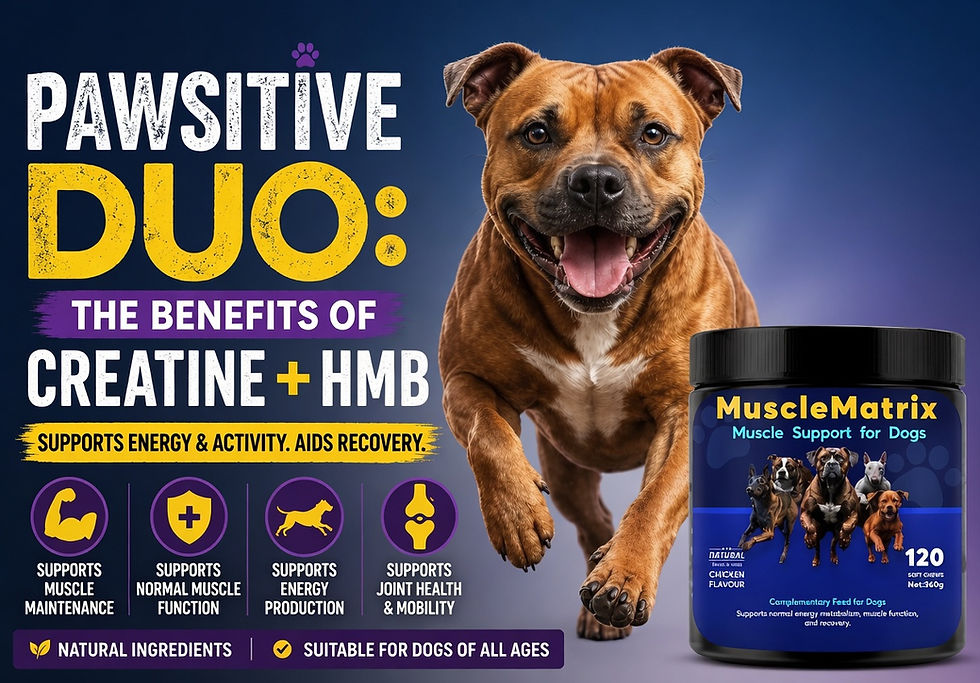
Ongoing work on supplements targeting mRNA expression and muscle protein synthesis continues to validate the use of high-protein formulas, HMB, creatine, and amino acids for managing muscle loss.
How to Treat Muscle Atrophy in Dogs
Step 1: Veterinary Assessment
Rule out underlying conditions and get a professional muscle condition score.
Step 2: Exercise & Rehabilitation Progressive strength training (hills, controlled resistance)
Hydrotherapy or swimming
Balance and core exercises
Step 3: Nutrition & Supplementation
High-protein diets combined with targeted muscle support supplements are highly effective.
Popular choices among UK dog owners include MuscleMatrix Muscle Gain Support and JackedBite by Hench Range — a high-protein training chew designed for muscle development, recovery, and stamina in active, working, and ageing dogs.

FAQ – Frequently Asked Questions About Dog Muscle Atrophy
Q: Can muscle atrophy in dogs be reversed?
A: Partially yes, especially disuse atrophy. Early intervention with exercise, proper nutrition, and supplements like MuscleMatrix or JackedBite often yields the best results.
Q: What is the best supplement for muscle atrophy in dogs?
A: Look for formulas containing high-quality proteins, HMB, creatine, BCAAs, and Omega-3s. Both MuscleMatrix and JackedBite by Hench Range are popular options for muscle gain and maintenance.
Q: How fast can a dog regain muscle?
A: Noticeable improvements can appear in 4–8 weeks with consistent exercise and supplementation, though seniors may progress more gradually.
Q: Is muscle loss normal in senior dogs?
A: Some loss is common due to sarcopenia, but significant or rapid wasting should be addressed proactively.
Q: Are there natural ways to build muscle in dogs without supplements?
A: Yes — through structured strength exercises and a high-protein whole-food diet — but supplements accelerate results and are especially helpful for older or recovering dogs




Comments