


Should Other Dogs See the Body After a Pet Dies?A Gentle Guide for Dog Owners After Losing a Companion
- 22 hours ago
- 7 min read

When one dog in the home passes away, many owners are left with a painful question:
Should my other dog see the body?
Some people feel it may help the surviving dog understand what has happened.
Others worry it may upset them, confuse them or make the moment harder for everyone.
The truth is, there is no single right answer.
Some dogs may benefit from calmly seeing or smelling the dog who has passed. Some dogs show little reaction. Some may become unsettled. What matters most is safety, calmness, your emotional ability, and what feels right for your household.
This guide explains when it may help, when it may not be suitable, what reactions are normal, and how to support a surviving dog after the loss of a companion.
Quick Answer: Should Other Dogs See the Body After a Pet Dies?

If the death was peaceful, there is no infection risk, and you feel emotionally able, it may be okay to let your surviving dog calmly see or smell the body under close supervision.
It is not essential.
Some dogs may sniff and walk away. Some may search less afterwards. Some may show no obvious reaction at all. Others may seem worried or unsettled.
Blue Cross says that if a family pet has died from a cause that does not pose an infection risk, and you feel comfortable doing so, you can show your dog the body of the deceased pet. They also note that dogs may show signs interpreted as grief, such as searching, crying, appetite loss or a sad demeanour.
The most important thing is that the moment is calm, safe, gentle and never forced.
Do Dogs Understand Death?
Dogs may not understand death in the same way humans do.
They do not sit and think about loss exactly as we do, but they are very good at noticing changes in scent, routine, emotion, household energy and the absence of another dog.
A surviving dog may realise that something is different.
They may notice:
Their companion is no longer in the home
Their owner is upset
The daily routine has changed
The other dog’s scent is fading
Walks, feeding times or sleeping places feel different
The RSPCA explains that pets may respond to the emotions of people around them, and that knowing what is normal for your own pet helps you spot changes after a loss.
So, while dogs may not understand death as a human concept, they can absolutely react to the loss of a companion.
Why Some Owners Let Surviving Dogs Say Goodbye

Some owners choose to let their surviving dog see or smell the dog who has passed because they feel it may help with closure.
The idea is that the surviving dog may be less likely to keep searching if they have had a chance to understand, through scent, that their companion is no longer alive.
For some dogs, this may help.
It can give them a calm moment to investigate rather than simply having the other dog disappear from the home.
This may be especially important if the dogs were very close, slept together, played together or had lived as a pair for many years.
However, not every dog will react in the same way.
When It May Help a Surviving Dog
Letting a surviving dog see the body may be helpful when:
The dog who passed died peacefully
There is no infection or safety risk
The body looks calm and peaceful
The surviving dog is generally steady and calm
You can supervise closely
You feel emotionally able to manage the moment
The dogs were closely bonded
The surviving dog is already searching or anxious
This should be a quiet, gentle moment.
No crowding.
No forcing.
No dramatic reactions around the surviving dog.
Dogs often read our emotions very closely, so the calmer the environment, the easier it may be for them.
When It May Not Be the Right Choice
It may be better not to show the body if:
The death was traumatic
The body has visible injury
There may be infection risk
The surviving dog is very reactive or fearful
The surviving dog may paw, bite, bark or panic
You feel too distressed to manage it safely
Children or other pets cannot be kept calm nearby
The body has already been moved into aftercare
It is also okay to say no simply because it feels too painful.
You are grieving too.
You do not have to put yourself through something that feels unbearable because you think you “should”.
There is no perfect goodbye.
What Reactions Are Normal?

A surviving dog may react in many different ways.
They may:
Sniff the body briefly
Walk away quickly
Stand still and stare
Whine or pace
Try to nudge the body
Show no obvious reaction
Look confused
Become clingier to you afterwards
Search the house later anyway
A lack of reaction does not mean the dog did not care.
Some dogs process things quietly. Some are more affected by routine changes afterwards than by the moment itself.
The RSPCA notes that many pets may show signs of sadness, confusion or distress after losing a companion, but individual responses can vary.
How to Keep the Moment Calm and Safe
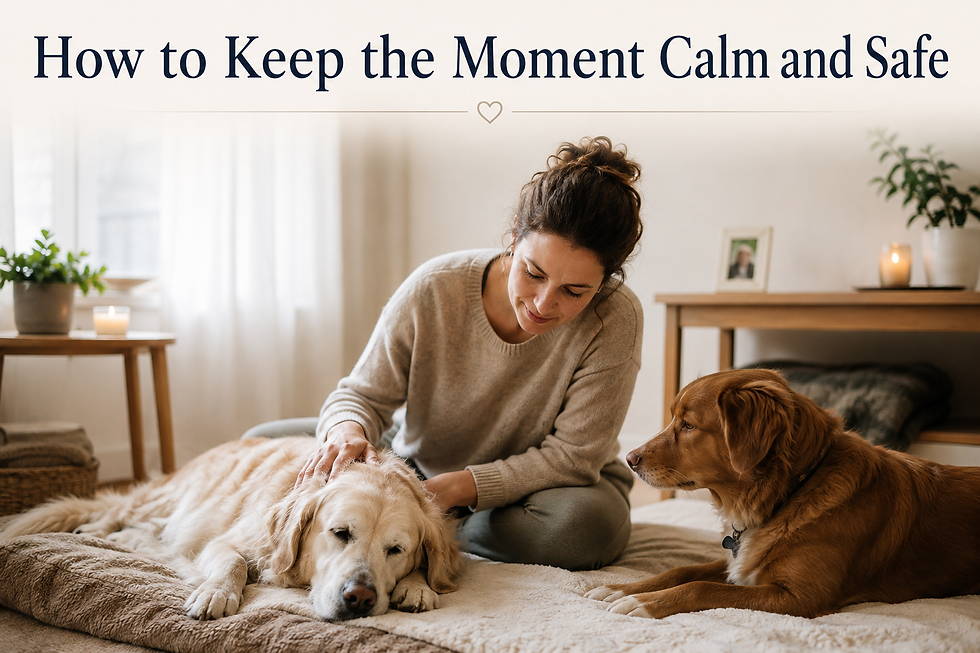
If you decide to let your surviving dog see the body, keep it simple.
Choose a quiet room or calm space.
Let your dog approach slowly.
Keep them on a loose lead if needed, especially if you are unsure how they may react.
You can:
Speak softly
Allow gentle sniffing
Keep the visit short
Avoid forcing them closer
Watch their body language
Remove them calmly if they become distressed
Give them space afterwards
Look for signs of stress such as:
Panting
Trembling
Whining
Backing away
Stiff body posture
Barking
Trying to paw or grab
Refusing to leave
If your dog seems worried, calmly move them away and offer a quiet routine.
Do not punish any reaction.
They are trying to understand something difficult.
What If My Dog Shows No Reaction?
This is very common.
Some dogs sniff once and walk away. Some seem completely normal. Some appear more interested in you, the room or the blanket than the dog who has passed.
That does not mean they are heartless.
Dogs process the world differently from people.
Your dog may react later when:
The other dog does not return
Their feeding routine changes
Walks feel different
Their sleeping area feels empty
Your own grief changes the atmosphere at home
So if your dog shows no reaction in the moment, simply continue to support them gently.
How to Support a Dog After Losing a Companion
The biggest thing you can do is keep life calm and predictable.
Surviving dogs often need routine more than fuss.
Try to keep:
Meal times steady
Walk times familiar
Bedtime routine the same
Their usual sleeping place available
Your voice gentle and calm
Household changes gradual
You can also offer:
Short sniffy walks
Gentle play
Puzzle toys
Calm cuddles
Extra reassurance
A familiar blanket or toy
Quiet time when needed
Blue Cross advises keeping a grieving dog’s routine as normal as possible and being careful not to accidentally encourage anxious waiting or searching behaviour with too much fuss at the wrong time.
Common Signs of Grief or Stress in Surviving Dogs
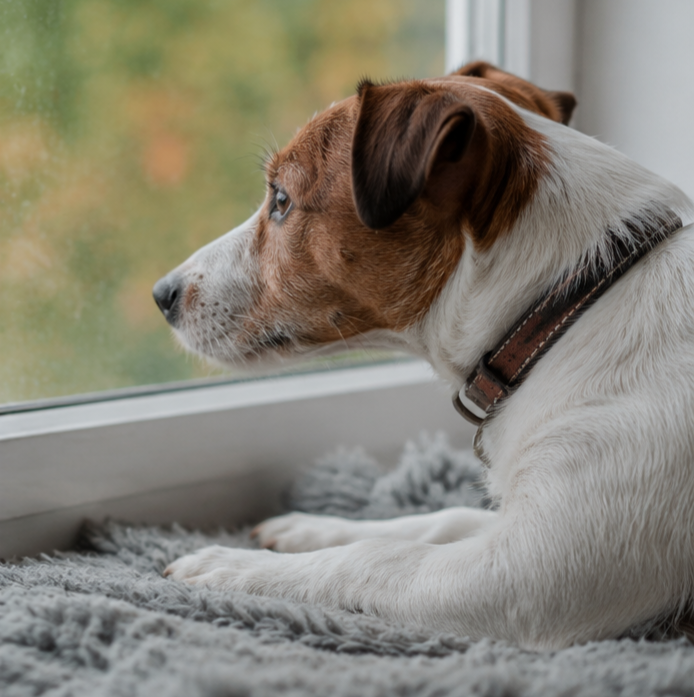
After losing a companion, a dog may show:
Reduced appetite
Sleeping more
Searching rooms or favourite spots
Whining
Pacing
Clinginess
Withdrawal
Less interest in play
Changes in toileting
Restlessness at night
Being more sensitive or reactive
Some changes may settle with time, routine and reassurance.
But if your dog stops eating, seems very distressed, becomes aggressive, appears unwell or does not improve, contact your vet.
Should You Remove the Other Dog’s Belongings Straight Away?
There is no rule.
Some owners need to move the bed, bowls or toys quickly because seeing them is too painful.
Others need to leave everything where it is for a while.
For surviving dogs, sudden changes can sometimes feel unsettling. If you can, remove items gradually rather than clearing everything at once.
You might leave:
A blanket with familiar scent
A shared bed for a short time
A favourite toy nearby
The normal feeding area unchanged
Then slowly adjust the home over days or weeks.
Do what feels manageable.
Can Getting Another Dog Help?
A new dog should not be rushed.
It is natural to want to fill the silence, especially if your surviving dog seems lonely.
But another dog is not a replacement.
Your surviving dog may need time to adjust, and you may need time to grieve before making a big decision.
Before bringing another dog home, consider:
Is your surviving dog ready?
Are you emotionally ready?
Would a new dog suit your lifestyle?
Could introductions be managed slowly?
Are you choosing from love, not panic?
Some dogs enjoy a new companion later.
Others are happier as the only dog.
There is no set timeline.
When to Contact a Vet or Behaviourist
Speak to your vet if your surviving dog:
Stops eating
Stops drinking
Seems physically unwell
Has vomiting or diarrhoea
Becomes very withdrawn
Shows aggression
Cannot settle at night
Seems distressed for more than a few days
Has major behaviour changes
A vet can rule out health problems and may recommend a qualified behaviourist if needed.
Grief, stress and medical issues can sometimes look similar, especially in older dogs.
Caring for Yourself Too
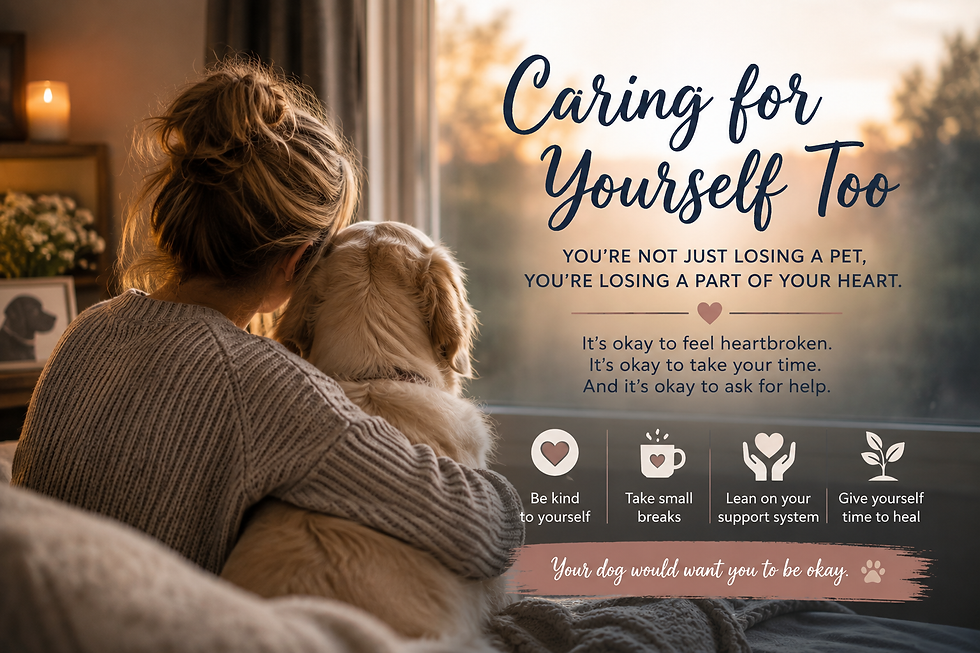
This blog is about surviving pets, but you matter too.
Supporting another dog while grieving can be emotionally exhausting.
You may feel pressure to stay strong, but your loss is real.
The Blue Cross Pet Loss Support service offers free and confidential support in the UK for people affected by pet loss, including death, illness, accident, rehoming and other forms of separation.
The RSPCA also provides pet bereavement guidance and support resources for people coping with the loss of an animal companion.
Needing support does not mean you are weak.
It means you loved deeply.
Final Thoughts: There Is No Perfect Goodbye
So, should other dogs see the body after a pet dies?
Sometimes, yes.
Sometimes, no.
It depends on the dog, the situation, the cause of death, your emotional ability and whether the moment can be kept calm and safe.
Letting a dog see or smell their companion may help some surviving dogs understand that something has changed.
But it is not essential, and it should never be forced.
The most important thing is what comes next:
Routine.
Gentleness.
Patience.
Reassurance.
Time.
Your surviving dog does not need you to get everything perfect.
They just need you to be there, as calmly and kindly as you can.
And you deserve that same kindness too.
Related Reading
What to Expect in the First 24–48 Hours After Losing a Dog
Disclaimer:
This article is for general emotional and practical support for dog owners. It is not veterinary, legal or mental health advice. Always contact your vet if you are concerned about your dog’s health, behaviour or aftercare arrangements.


Comments