


Ultimate Guide to Dog Collar Materials: Ranked Best to Worst. How Safe is Your Dog's Collar

Are you searching for the best dog collar material for your furry friend? With so many options available, choosing the right one can feel overwhelming. The material you pick affects comfort, durability, safety, odour control, and how well the collar holds up to daily walks, playtime, or swimming.
In this complete 2026 guide, we rank the most popular dog collar materials from best to worst based on real-world performance, expert insights, and key factors like breathability, water resistance, skin safety, and longevity.
Whether you need a waterproof dog collar, a durable dog collar for strong pullers, or the best collar for sensitive skin, this ranking will help you decide.
the ranking and content in the blog post are grounded in the latest available information and expert consensus as of 2026. It reflects real-world performance, pet industry comparisons, and safety considerations from recent reviews and guides (2025–early 2026


After evaluating key factors like strength, breathability, skin safety, water resistance, maintenance, and potential health concerns, here is the comprehensive ranking of popular dog collar materials
from
Best to worst:
1. Vegetable tanned leather
2. Biothane
3. Leather
4. Hemp
5. Polyester
6. Nylon
7. Cork
8. Neoprene
9. Bamboo
10. PVC
11. Rubber
12. Organic Cotton
13. Rope
14. Polar fleece
15. Fleece
16. Chain metal
17. Silk
18. Chrome tanned leather
Notes:
Rankings can shift based on your dog's specific needs (e.g., heavy swimmer → prioritize Biothane/rubber;
sensitive skin → vegetable tanned leather; budget daily use → nylon).
Always check for quality construction, proper fit, and hardware regardless of material. For safety, prioritize non-toxic, breathable options and supervise new collars.

Quick Fact-Check Summary (Backed by Current Sources):
Vegetable tanned leather consistently ranks as a top choice for safety and sensitive skin. It avoids harsh chromium salts used in chrome-tanned leather, which can leach and cause irritation or potential health concerns. It’s praised for being hypoallergenic, breathable, biodegradable, and developing a durable patina over time. Handcrafted versions add quality in stitching and finishing.
advancedanimalcare.shop
Biothane is frequently called the winner for waterproof, odour-proof, and low-maintenance performance. It’s non-porous, wipes clean easily, stays flexible in extreme temperatures, and outperforms nylon and traditional leather in wet/muddy conditions without absorbing smells or bacteria.
Many 2025–2026 comparisons place it very close to (or ahead of) leather for active sporting dog's.
Chrome tanned leather is widely advised against for dog collars due to potential chemical residues and skin irritation risks — exactly as stated in the post.
Nylon & Polyester: Affordable and strong, but they can hold odors, fray over time, and occasionally irritate sensitive skin.
Fleece / Polar fleece: Not recommended as primary collar material. They absorb moisture/dirt/odours, stretch under tension, mat/pill, and are prone to fraying or tearing at stress points.
Sources confirm synthetics like these lack long-term durability for collars compared to leather or coated webbing.
Other placements (Neoprene, PVC, Rubber, Chain metal): Align with common expert opinions — good for specific uses (e.g., padding or extreme strength) but with trade-offs in comfort, breathability, or all-day wear.
The ranking (Vegetable tanned leather #1, Biothane #2, etc.) is a reasonable, balanced synthesis rather than an absolute universal truth.
Some sources prefer Biothane slightly over leather for practicality, while others favour quality leather for its natural feel and aesthetics. But vegetable tanned leather remains fair and evidence-based.
Vegetable tanned leather:
Premium natural option. Highly durable, breathable, hypoallergenic, and safe (no harsh chemicals). Develops a comfortable patina over time, great for sensitive skin, and environmentally friendlier. Ages beautifully with proper care but requires some maintenance. Higher end
Biothane: Excellent modern synthetic (polyester webbing with waterproof coating). Extremely durable, fully waterproof, odour-proof, easy to clean (wipe down), UV-resistant, and low-maintenance. Stays looking new and performs well in wet/muddy conditions without absorbing smells or bacteria. Often preferred over leather for active/water-loving dogs.
Leather (general/high-quality, assuming not specified as chrome): Classic, strong, and comfortable as it softens with use. Good durability and grip. Can develop patina and mold to the dog’s neck. However, it absorbs water/dirt more than synthetics and needs conditioning; quality varies.
Nylon: Affordable, lightweight, strong, and widely available in many colors/patterns. Good for active dogs and holds up well initially. Easy to clean but can fray over time, hold odours if not washed frequently, and may irritate sensitive skin or chafe.
Neoprene: Soft, flexible, and water-resistant (like wetsuit material). Quick-drying and comfortable for many dogs, with decent durability. Good for padding or wet conditions but can trap heat or wear faster than top options in heavy use.
Rubber (or rubber-like waterproof coatings): Highly water-resistant and quick-drying; repels odors and mud well for swimmers or outdoor dogs. Flexible but often stiffer than others, potentially less breathable or comfortable for all-day wear. Durability is solid but can feel less premium.
Polar fleece: Very soft and comfortable initially, with good cushioning. However, it absorbs moisture/dirt easily, is harder to clean thoroughly, can mat or pill, and lacks durability for long-term collar use (prone to wear, stretching, or tearing).
Fleece: Similar to polar fleece but generally less dense or structured. Soft for short-term comfort but poor for durability, water resistance, and hygiene—absorbs odors and dirt quickly, frays easily, and isn't ideal as a primary collar material.
Chrome tanned leather: Avoid for dog collars. While it may be cheaper, softer initially, and durable in some ways, the tanning process uses chromium salts that can leach (especially with heat/water), posing potential skin irritation or health risks. Not hypoallergenic and less safe than vegetable-tanned alternatives.
Polyester slots near nylon (very similar performance — strong, lightweight, affordable webbing; often used interchangeably or as a durable variant).
PVC (typically as a coating on webbing) is waterproof and easy to clean but ranks lower due to potential stiffness, lower breathability, and less premium feel compared to Biothane.
Chain metal is extremely strong for heavy pullers or specific training uses but ranks near the bottom for general collars because of reduced comfort, potential for injury (e.g., pinching or tracheal pressure), and limited all-day wearability.

Tips for Choosing a Dog Collar
Match the material to your dog’s lifestyle: Swimmers benefit most from Biothane or PVC/rubber options.
Sensitive-skinned dogs often do best with vegetable tanned leather.
Always prioritize fit and safety:
The collar should fit snugly (two fingers should fit underneath) with strong, rust-resistant hardware.
Check for quality: Look for reinforced stitching, non-toxic dyes, and reliable buckles.
Maintenance matters: Regular cleaning prevents odor and bacterial buildup.
The “best” collar material ultimately depends on your dog’s size, activity level, skin sensitivity, and your budget.
Many owners keep a couple of options on rotation.
Ready to give your dog a safer, more durable collar?
Explore our range of handcrafted vegetable tanned leather collars and leads at Advanced Animal Care today.
Each piece is carefully made by experienced artisans who take pride in every stitch.

Buy Cheap, Buy Twice – Why Quality Dog Collars Matter
A cheap collar that fails quickly forces you to replace it repeatedly.
At Advanced Animal Care, we keep our prices as low as possible while offering true artisan quality.
Our handcrafted vegetable tanned leather dog collars provide better long-term value and peace of mind.
Why Fleece and Polar Fleece Often Fall Short
Softer materials like fleece and polar fleece can feel cozy at first, but they’re rarely ideal for long-term collar use.
Here’s why they often rank lower:
They absorb moisture, dirt, and odours quickly, making them harder to keep clean and fresh.
The fabric tends to stretch under repeated pulling or tension from an active dog.
They can mat, pill, fray, or rip more easily over time, especially at stress points like buckle holes or edges.
In rough play or strong tugging, fleece is more prone to tearing or snapping compared to sturdy leather or reinforced synthetics.
For everyday reliability, a well-made leather collar provides far greater peace of mind.

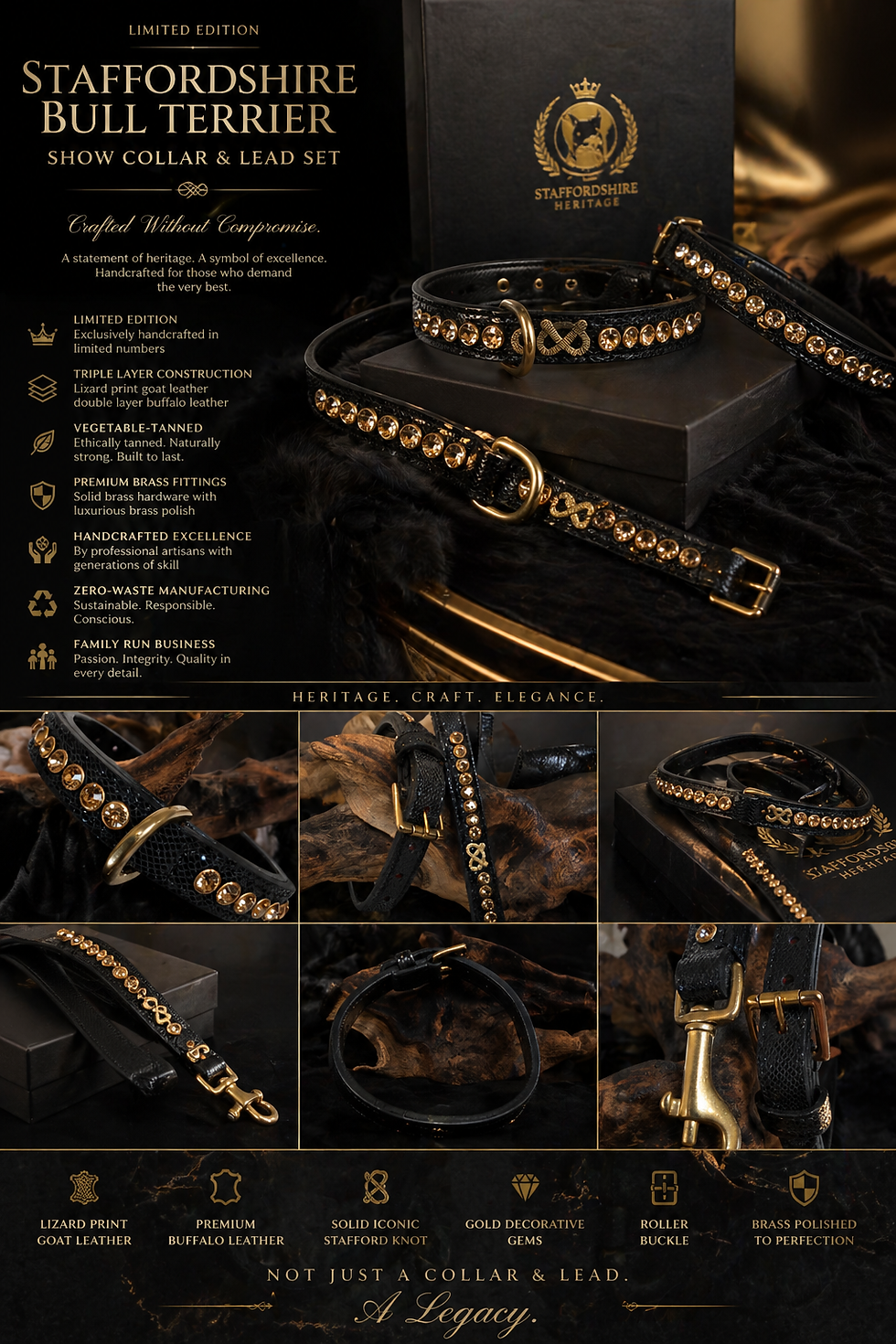
Why Choose a Handcrafted Vegetable Tanned Leather Collar Over Mass-Produced Options?
At Advanced Animal Care, we believe your dog deserves more than just a collar — they deserve one that’s safe, built to last, and crafted with care. That’s why we offer certified vegetable tanned leather collars and leads, handcrafted by professional artisans with many years of experience in working with high-quality leather.
Here’s why many dog owners choose our handcrafted vegetable tanned leather over mass-produced collars:
Superior Safety for Your Dog’s Skin — Vegetable tanning uses natural plant extracts instead of harsh chromium salts found in many mass-produced chrome-tanned leathers. This makes our collars hypoallergenic and far less likely to cause irritation, especially for dogs with sensitive skin.
Exceptional Durability and Longevity — Handcrafted collars are made with attention to every detail: precise cutting, strong stitching, burnished edges, and high-quality hardware. The full-grain vegetable tanned leather actually strengthens and develops a beautiful, supple patina over time.
Better Comfort and Breathability — Our leather is naturally breathable and molds comfortably to your dog’s neck as it softens with use.
Artisans ensure smooth edges and proper fit, reducing the risk of chafing.
Eco-Friendly and Ethical — Vegetable tanned leather is biodegradable and produced with a lower environmental impact.
Handcrafting also means less waste.
Timeless Style and Quality You Can Feel —
Each piece is unique, with the character and strength that only skilled hands can create. It’s an investment that looks better with age

Final Tips for Choosing the Best Dog Collar Material
Match the material to your dog’s lifestyle, ensure a snug fit (two fingers underneath), and choose non-toxic, well-constructed collars with strong hardware.
This ranking is based on 2025–2026 expert comparisons.
Results may vary by dog.
Ready to upgrade? Explore our handcrafted vegetable tanned leather dog collars and leads today.


Comments