


Why Older Dogs Lose Muscle Mass (And What Owners Can Do)
- 7 days ago
- 5 min read

As our dogs get older, many owners notice changes that can be easy to miss at first. A dog that was once strong, athletic, and full of energy may begin looking thinner around the shoulders, hips, and back legs. Even if they are eating normally and maintaining a healthy weight, they can gradually lose muscle mass.
This process is common in ageing dogs and is backed by veterinary research. While some muscle loss is a natural part of ageing, there are several steps owners can take to help maintain strength, mobility, and quality of life for as long as possible.

What Is Age-Related Muscle Loss in Dogs?
Age-related muscle loss is often referred to as sarcopenia. This is a gradual decline in muscle mass, strength, and function that occurs as dogs age.
Research shows that older dogs can lose lean muscle tissue even when their overall body weight remains stable. In fact, some senior dogs appear to maintain their weight while actually gaining fat and losing muscle at the same time.
This means the number on the scales does not always tell the full story.

Why Do Older Dogs Lose Muscle?
There is rarely a single cause. Instead, several factors work together.
1. Reduced Physical Activity
One of the biggest reasons is simply that older dogs move less.
As dogs age, they often:
Walk less
Run less
Play less
Tire more quickly
Spend more time resting
Muscles follow the "use it or lose it" principle. When activity decreases, muscle tissue receives less stimulation and gradually shrinks.
This is particularly noticeable in:
Rear legs
Shoulders
Chest muscles
Core muscles
2. Changes in Protein Metabolism
Research suggests that older dogs become less efficient at using dietary protein.
Scientists sometimes refer to this as anabolic resistance, meaning the body becomes less responsive to the signals that normally stimulate muscle growth and repair.
Even when an older dog consumes adequate protein, they may not utilise it as effectively as a younger dog.
This is one reason why many veterinary nutritionists recommend maintaining high-quality protein intake throughout a dog's senior years unless a veterinarian advises otherwise for a specific medical condition.
3. Hormonal Changes
Ageing affects several hormones involved in maintaining muscle tissue.
These include:
Growth hormone
Insulin-like growth factor (IGF-1)
Testosterone
Other metabolic hormones
As these hormones naturally decline, the body's ability to build and preserve muscle also decreases.
4. Joint Pain and Arthritis
According to veterinary studies, arthritis affects a large percentage of senior dogs.
When movement becomes painful, dogs naturally avoid activity.
Less movement leads to:
Reduced muscle stimulation
Muscle weakness
Further joint instability
This creates a cycle where weaker muscles provide less support for painful joints.
5. Chronic Health Conditions
Muscle loss may also be linked to health problems such as:
Osteoarthritis
Heart disease
Kidney disease
Liver disease
Cancer
Hormonal disorders
If significant muscle loss occurs rapidly, veterinary examination is important to rule out underlying disease.

Signs Your Older Dog May Be Losing Muscle
Common signs include:
Visible Changes
Narrower thighs
Less muscle over hips
More prominent spine
More prominent shoulder blades
Reduced chest thickness
Physical Changes
Difficulty jumping
Slower movement
Struggling with stairs
Reduced stamina
Difficulty standing from lying down
Performance Changes
Less enthusiasm for exercise
Fatiguing more quickly
Reduced strength during play
Is Muscle Loss Different From Weight Loss?
Yes.
A dog can maintain the same body weight while losing muscle.
For example:
A dog weighing 25kg may lose:
2kg of muscle
While gaining:
2kg of body fat
The scales stay the same, but body composition becomes less healthy.
This is why muscle condition is often more important than weight alone.
What Can Owners Do?
The good news is that muscle loss is not always inevitable.
Many senior dogs can maintain impressive muscle condition well into old age with the right management.
1. Keep Them Moving
Appropriate exercise remains one of the most effective tools for preserving muscle.
Good options include:
Regular walks
Hill walking
Swimming
Controlled play
Gentle strength-building exercises
Consistency is usually more beneficial than occasional intense activity.
Always adjust exercise to the individual dog's age, health, and veterinary advice.

2. Prioritise High-Quality Protein
Protein provides the amino acids required for muscle maintenance and repair.
Research continues to support the importance of adequate protein intake in healthy senior dogs.
Look for foods that contain quality animal protein sources and meet recognised nutritional standards.
3. Monitor Body Condition
Owners should regularly assess:
Weight
Muscle tone
Waist definition
Mobility
Overall condition
Photographs taken every few months can help identify gradual changes that may otherwise go unnoticed.
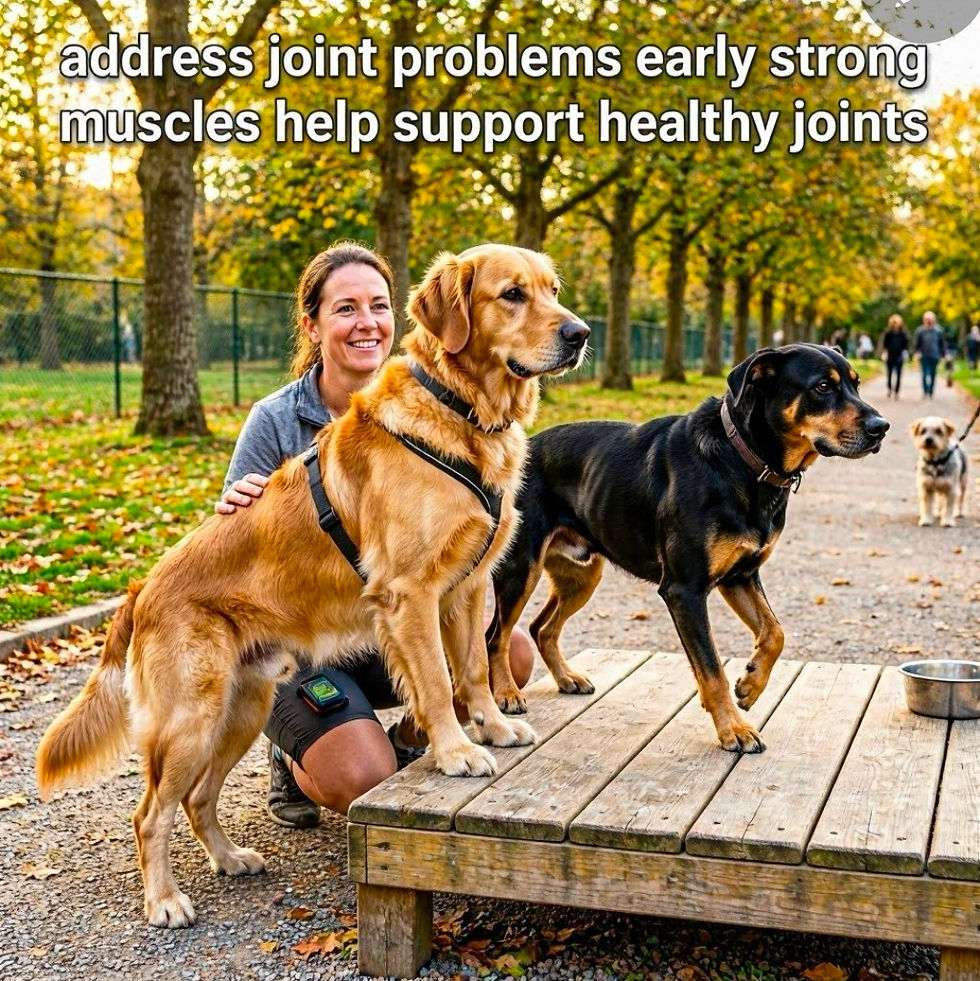
4. Address Joint Problems Early
Strong muscles help support healthy joints.
If arthritis or joint discomfort develops, early management may help maintain activity levels and slow muscle loss.
Discuss concerns with your veterinarian if you notice:
Stiffness
Limping
Difficulty rising
Reluctance to exercise
5. Support Recovery and Muscle Maintenance
As dogs age, recovery from exercise often takes longer.
Nutritional support aimed at maintaining lean muscle mass may help active senior dogs continue enjoying exercise and daily activities.
Products containing:
Quality protein
Essential amino acids
Omega-3 fatty acids
Joint-support ingredients
are commonly used by owners looking to support healthy ageing and mobility.
Can Older Dogs Still Build Muscle?
Surprisingly, yes.
Research in both canine and human ageing shows that muscle tissue remains
responsive to exercise and nutrition even later in life.
Older dogs may build muscle more slowly than younger dogs, but they can still improve strength, mobility, and body condition when exercise and nutrition are appropriately managed.
Many senior working dogs, sporting dogs, and active companions maintain excellent muscle tone well into their later years.
When Should You See a Veterinarian?
Contact your veterinarian if you notice:
Sudden muscle loss
Rapid weight loss
Loss of appetite
Difficulty walking
Weakness
Persistent lethargy
Significant mobility changes
Rapid muscle loss is not considered a normal part of ageing and should always be investigated.

Final Thoughts
Muscle loss is one of the most common changes seen in ageing dogs, but it is not something owners should simply accept as unavoidable.
Regular exercise, high-quality nutrition, maintaining a healthy body condition, and addressing health issues early can all help support muscle mass and mobility throughout a dog's senior years.
While no dog can stop the ageing process entirely, many can remain strong, active, and comfortable for far longer than most people realise.

Supporting Senior Dog Muscle Health
As dogs age, maintaining lean muscle becomes increasingly important for mobility, joint support, balance, and overall quality of life. Alongside a nutritious diet and appropriate exercise, some owners choose targeted nutritional support to help active senior dogs maintain condition.
The Advanced Animal Care Hench Range includes products designed to support muscle maintenance, recovery, and overall condition in working, ageing, sporting, and active dogs. When used alongside a balanced diet and sensible exercise programme, these supplements may help support healthy muscle function as dogs grow older.
Always introduce any supplement gradually and consult your veterinarian if your dog has an existing medical condition or is receiving medication.


Comments