


10 Surprising Reasons Your Dog Pulls on the Leash (And How to Fix It in 2026)"
Updated: May 2
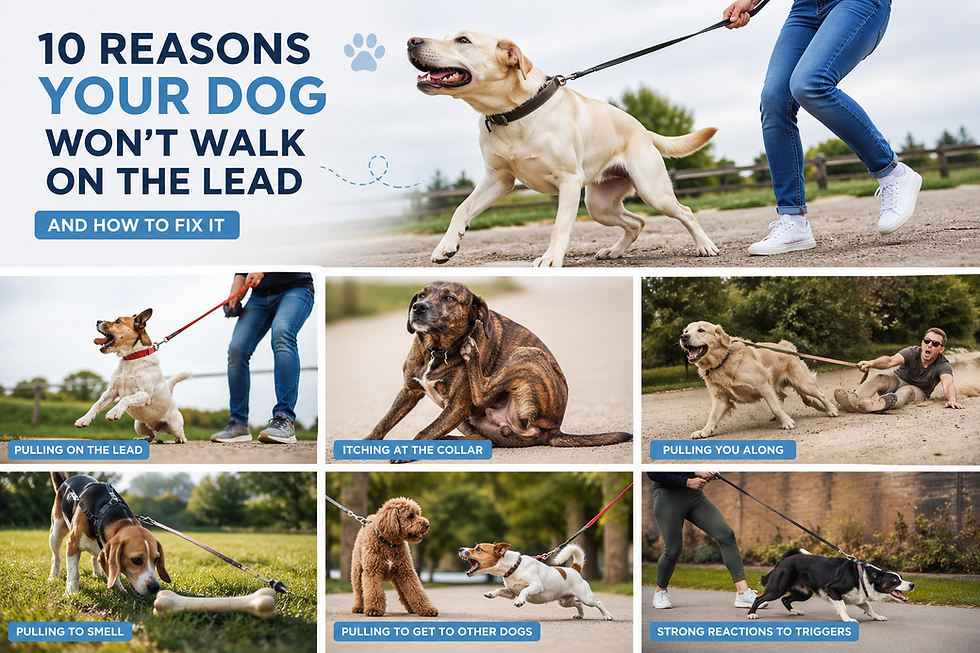
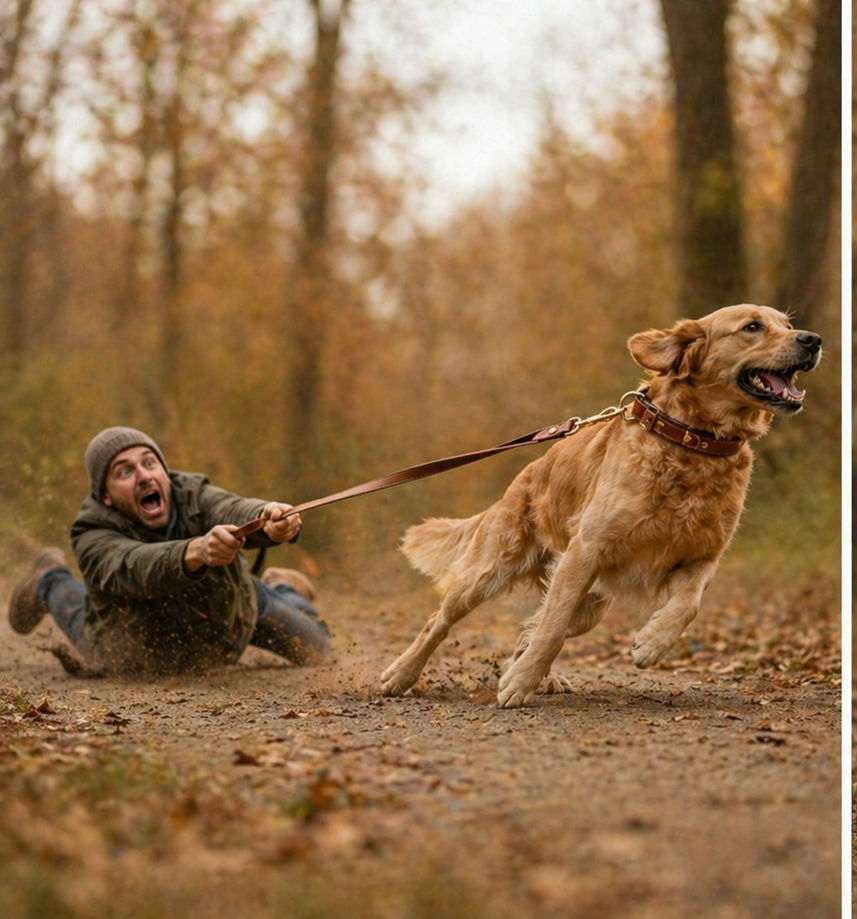
Picture this: You're excited for a peaceful morning walk with your dog... only to be yanked down the street like you're waterskiing behind a speedboat. Sound familiar? Leash pulling is one of the most common complaints from dog owners—and it can turn enjoyable outings into frustrating ordeals.
Feeling more like a tug-of-war contest than a relaxing outing?
You’re not alone. Leash pulling is one of the most common complaints from dog owners, and it can quickly turn what should be quality time into frustration for both you and your dog.
The good news? Pulling is rarely about “bad behaviour.” It’s usually caused by excitement, equipment issues, lack of training, or natural instincts. In this guide, we’ll uncover 10 surprising reasons why dogs pull on the leash and share practical, force-free solutions that actually work. Whether you have a tiny terrier or a powerful Labrador, these tips can help you enjoy calm, enjoyable walks starting today
My Most Effective Personal Technique:
The Silent Stop Method
This is the single most powerful method I’ve used to train all of my own dogs over the years. It may take 5 attempts, 20 attempts, or even 30 attempts in a single walk — and that’s completely normal at the start.
Here’s exactly how to do it:
As soon as your dog pulls, stop immediately. Stand completely still, say nothing, and do nothing. No talking, no tugging, no corrections — just pause.
Wait patiently until the leash goes slack and your dog is no longer pulling. The moment the leash is loose, start walking forward again calmly.
Repeat this every single time they pull. In the beginning, you might be stopping every 5 seconds. Stay consistent and patient.
In my experience, this simple “Silent Stop” My Most Effective Personal Technique:
The Silent Stop Method
This is the single most powerful method I’ve used to train all of my own dogs over the years. It may take 5 attempts, 20 attempts, or even 30 attempts in a single walk — and that’s completely normal at the start

1. They’re Just Excited (Not Disobedient)
Dogs see walks as the highlight of their day. All that pent-up energy explodes the moment the leash comes out.Quick Fix: Teach a calm departure. Ask your dog to sit and stay calm at the door before clipping on the leash. Reward with praise or a treat only when they’re settled.
2. Wrong Equipment Is Making It Worse
Many harnesses and collars are actually designed in a way that encourages pulling.
Quick Fix: Switch to a front-clip no-pull harness. These gently redirect your dog back toward you when they pull. Avoid back-clip harnesses for strong pullers. Do not use a harness that rests over the shoulders.
Invest in a proper vegetable tanned leather padded collar for comfort and non allergic, less itching and irritation and wont get backlogged with bacteria.

3. Lack of Impulse Control
Especially common in puppies and young dogs, they simply haven’t learned “brakes” yet.Quick Fix: Practice the “Watch Me” command. Hold a treat at your face and reward eye contact. Gradually add this during short walks.
. They’re Following Their Nose
A dog’s sense of smell is 10,000 to 100,000 times better than ours. Every interesting scent pulls them forward.
Quick Fix:
Build in “sniff walks” as a reward. Use a cue like “go sniff” when they walk nicely, letting them explore for 30–60 seconds

5. You’re Accidentally Reinforcing the Pulling
Every time you keep walking while they pull, you teach them that pulling gets them where they want to go.
Quick Fix: The “Stop and Stand” technique. As soon as the leash tightens, stop moving and stand still like a tree. Only move forward when the leash is loose.
Energy Mismatch
High-energy breeds often pull because they haven’t burned off enough steam before the walk.
Quick Fix: Add 10–15 minutes of mental stimulation or play (puzzle toys, fetch, or training games) before heading out.
7. Anxiety or Overstimulation
New environments, other dogs, or traffic can cause your dog to pull out of stress or excitement overload.
Quick Fix: Start with short, low-distraction walks and gradually increase exposure while keeping a calm demeanor. Use treats to create positive associations.
8. Breed Instincts at Play
Sighthounds want to chase, herding breeds want to control movement, and scent hounds want to follow their nose.
Quick Fix: Channel those instincts into games and training rather than fighting them. For example, incorporate short “find it” games on walks.
9. Poor Socialization
Dogs that aren’t used to people, dogs, or new places may pull to investigate or escape discomfort.
Quick Fix: Controlled, positive socialization sessions combined with loose-leash practice in gradually busier environments

Shop Premium Leather Handcrafted Craftsmanship


Comments