


The Fastest Dogs vs. Wild Big Cats & Beyond: A Realistic Speed Comparison

Speed in the animal kingdom is thrilling to explore, but context matters. Exact speeds aren't lab-perfect — they're based on racing times, anecdotal observations, or short bursts. Sustained speeds over distance are lower for all breeds and animals. Here’s a clear, fact-based breakdown that includes both elite sighthounds and many popular non-racing dogs


Speeds of Various Dog Breeds (Including Non-Racing Ones)
While sighthounds dominate the absolute top spots, many working, herding, sporting, and terrier breeds are impressively fast for their build and purpose.
Elite Sighthounds & Racing Breeds:
Greyhound: 40–45 mph (64–72 km/h) — the undisputed champion, reaching top speed in about six strides.
Saluki / Sloughi: 40–43 mph (64–69 km/h) — ancient breeds with excellent endurance alongside speed.
Afghan Hound: Around 40 mph (64 km/h) — graceful despite the long coat.
Whippet: 35–39 mph (56–63 km/h) — smaller but explosive, often called the “poor man’s Greyhound.”
Borzoi (Russian Wolfhound): Around 35–36 mph (56–58 km/h) — tall and elegant with strong hunting drive.
Other Fast Non-Sighthound Breeds
Belgian Malinois: Up to 33 mph (53 km/h) — highly athletic working dog known for agility, drive, and police/military work.
Jack Russell Terrier (or Parson Russell Terrier): Up to 38 mph (61 km/h) in short bursts — surprisingly quick and agile for its small size, originally bred for hunting vermin.
Doberman Pinscher: Around 30–32 mph (48–51 km/h) — muscular and powerful, combining speed with strength and protection instincts.
Border Collie: Around 30 mph (48 km/h) — incredibly agile with sharp turns; excels in herding and agility trials rather than straight-line speed.
German Shepherd: Around 30 mph (48 km/h) — versatile working breed valued for endurance, intelligence, and police work.
Vizsla: Up to 40 mph (64 km/h) — energetic Hungarian hunting dog with great all-around athleticism and stamina.
Weimaraner: Around 30–35 mph (48–56 km/h) — “Gray Ghost” hunting dog built for speed and endurance in the field.
Dalmatian: Around 30–37 mph (48–60 km/h) — historically bred to run alongside carriages, with good endurance.
Siberian Husky: Around 30 mph (48 km/h) — bred for pulling sleds over long distances; strong endurance rather than pure sprint speed.
Standard Poodle: Up to 30 mph (48 km/h) — surprisingly athletic and agile despite the fancy appearance.

Common Family Breeds (for everyday context):
Labrador Retriever: Typically 20–30 mph (32–48 km/h) — strong endurance runners, great for active owners.
Golden Retriever: Around 20–25 mph (32–40 km/h), with some bursts up to 35 mph — friendly and energetic but not built for extreme speed.
Most average pet dogs: 15–25 mph (24–40 km/h).

Wild Big Cats:
Speed and Hunting Strategy
Cheetah: 65–75 mph (104–120 km/h) in brief bursts — unmatched acceleration, but tires quickly.
Lion: About 50 mph (80 km/h) in short charges — relies on teamwork.
Tiger: 35–40 mph (56–64 km/h) — favors strength and ambush.
Leopard: 35–37 mph (56–60 km/h) — excels at stealth and climbing.
Expanded Head-to-Head Comparisons
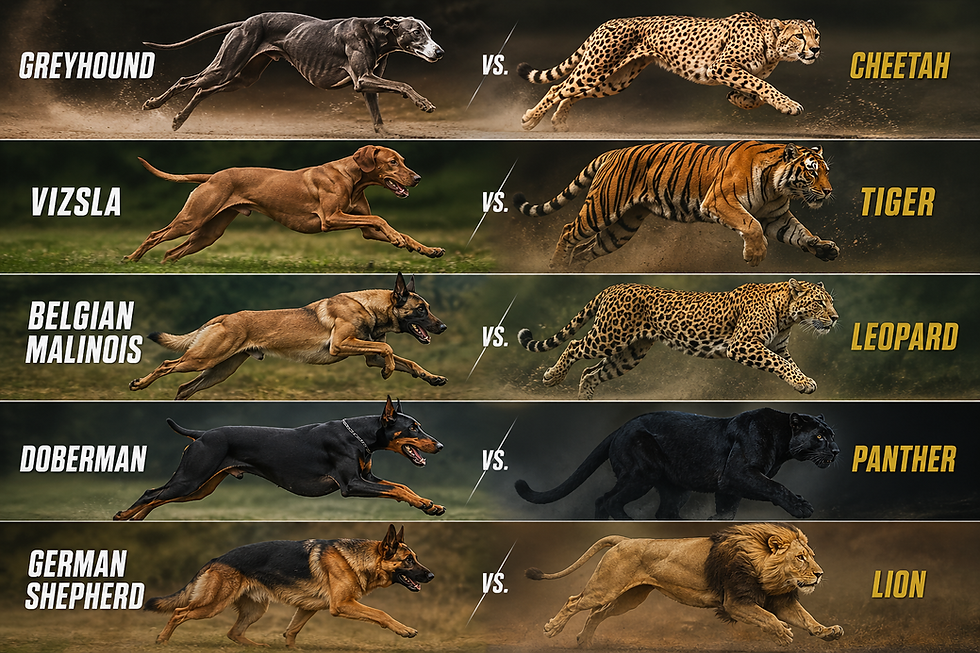
Greyhound vs. Cheetah:
Cheetah wins decisively (nearly twice as fast in bursts).
Greyhound / Vizsla vs. Tiger or Leopard:
Very close in short straight-line sprints; sighthounds can match or slightly exceed them.
Belgian Malinois or Doberman vs. Big Cats: Competitive with tigers/leopards in short bursts due to power and agility, but wild cats have superior predatory instincts.
Border Collie or German Shepherd vs. Leopard:
Similar speed range, but the herding breeds shine more in agility and quick directional changes.
Jack Russell Terrier vs. Smaller Predators: Its surprising speed and agility make it competitive in short bursts despite small size.
Broader Context & Final Thoughts
For endurance, breeds like Siberian Huskies, Vizslas, and Labradors often outperform pure sprinters over longer distances.
Prey animals like pronghorn antelope (55–60 mph sustained) or gazelles show that speed serves different survival strategies.
No domestic dog reliably outruns healthy adult big cats in real scenarios — wild animals combine speed with specialized instincts and power.
Understanding speeds across breeds helps appreciate our dogs’ athletic diversity, whether you have a couch-loving Greyhound or an energetic Border Collie ready for agility games.

Strength in Dogs and Wild Big Cats
While speed often steals the spotlight, raw strength determines who can hold, pull, lift, or overpower opponents in real-world situations.
Strength in animals derives from muscle density, bite force, body mass, and the ability to generate force relative to size.

Bite force matters: Dogs have powerful jaws for their size. Large guardian and mastiff-type breeds are among the strongest biters in the domestic canine world.

Estimates for top breeds like the Kangal, Cane Corso, and Tibetan Mastiff typically range from 400–550 PSI (pounds per square inch), depending on the individual dog, measurement method, and conditions.
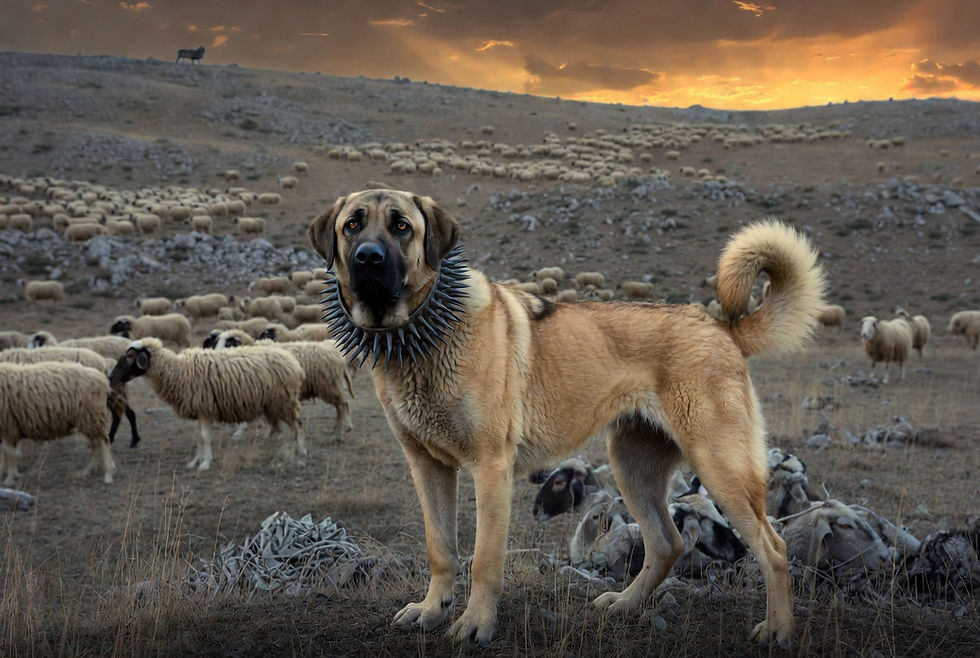
The Kangal (also known as the Turkish Kangal Shepherd or Anatolian Shepherd) is widely regarded as one of the strongest dog breeds, particularly among livestock guardians.
These large, muscular dogs typically weigh 90–145 lbs (40–66 kg), with a powerful build, thick protective coat, endurance, and bold protective instincts honed over centuries in Turkey's rugged terrain to defend flocks from predators like wolves, jackals, and bears.
The frequently cited 743 PSI bite force is a persistent myth, likely stemming from a misinterpreted or unverified Turkish study (possibly a decimal value of 0.743 misread as PSI); there are no rigorous, peer-reviewed laboratory measurements confirming it for the breed.
More realistic estimates for large mastiff-type guardian dogs, including Kangals, place bite force in the range of roughly 250–550 PSI—formidable for a dog but not the exaggerated outlier often claimed.
Bite force figures for wolves and big cats are similarly variable and often overstated in popular media, with no single "strongest" title holding across all contexts.
Comparisons: Vs. gray wolves: Kangals often match or exceed smaller
Eurasian/Turkish wolves in size and weight, and documented real-world cases show individual or paired Kangals successfully deterring, injuring, or killing wolves while protecting livestock.
However, larger North American timber or northwestern wolves can equal or surpass them, bringing superior wild instincts, agility, predatory experience, and potential pack coordination—wolves have also been recorded killing guardian dogs.
Kangals shine in courageous, endurance-based defense against canid threats; wolves excel in wild predatory efficiency.
Vs. wild cats: Kangals are no match for big cats like lions (around 400+ lbs) or tigers, which dominate in size, weight, agility, claws, and overall killing power.
Even smaller wild cats such as leopards hold clear advantages in speed and weaponry, though the dog's thick coat and defensive tenacity can provide some resilience in a confrontation.
Strength in dogs is multifaceted—encompassing size, pulling power, endurance, and specialized roles—making any absolute "strongest dog breed" label situational rather than definitive. Responsible breeding, training, and experienced ownership are essential for these powerful working animals.

Most working breeds fall in the 300–550 PSI range on average. These dogs were selectively bred for protection, livestock guarding, holding large prey, and controlling threats.
Note that exact bite force measurements in dogs are limited and vary widely;
popular high-end figures are often biomechanical estimates or unverified claims rather than standardized lab results.
dogster.com
Cane Corso and Tibetan Mastiff: Claims of 400–700 PSI are also inflated and inconsistent across sources.
More reliable veterinary and breed analyses put large mastiff-type dogs in the 300–500 PSI range (often closer to 300–400 PSI for Cane Corsos). These breeds have strong jaws suited for guarding, but the higher numbers lack solid evidence.
Rottweiler: The 328 PSI figure is one of the more grounded ones. It comes from a National Geographic measurement on a single dog (one of the few somewhat documented tests). It’s reasonable for the breed but still not a universal average — individual variation exists, and early exaggerated claims (like 2,000 PSI) were pure fiction.
German Shepherd and Greyhound: These lower figures (238–291 PSI and 150–200 PSI) are closer to reality and align better with available studies on working dogs
Big cats (Jaguar, Tiger, Lion): These are also often overstated in popular charts. Jaguars are indeed among the strongest relative to skull size (~1,000–1,500 PSI estimates from biomechanical models), but real measured or modeled bite forces for lions are typically cited around 650–1,000 PSI and tigers higher — still far exceeding any domestic dog. Exact numbers vary by study method (skull modeling vs. live measurement) and are approximate
Wild big cats dominate in absolute bite force:
Lions have a bite force generally estimated between 650–1,000 PSI (with some studies and tests on adults approaching or exceeding 1,000 PSI).
Tigers are stronger still, often cited around 1,000–1,050 PSI or higher. Jaguars possess the strongest bite among big cats at approximately 1,500 PSI—powerful enough to crush turtle shells and pierce thick hides. Their massive neck and jaw muscles far exceed those of any domestic dog, giving them superior crushing capability adapted for their hunting style.

Body strength and size:
Even lean, athletic dogs like Greyhounds typically weigh just 60–75 lbs (27–34 kg). In contrast, big cats are substantially heavier—lions range from 330–550 lbs (150–250 kg) for adult males,
while tigers often fall between 400–670 lbs (180–300 kg) depending on the subspecies.
Strength scales with muscle mass and overall body size; wild cats have significantly more powerful musculature in their shoulders, forelimbs, and neck, giving them a clear advantage in absolute power

Pulling and endurance strength:
Breeds like Siberian Huskies and Alaskan Malamutes are renowned for their pulling ability and can haul 2–5 times their body weight (or more in short bursts or with a sled on snow) when trained and conditioned.
In the wild, lions can drag large prey carcasses—sometimes weighing several times their own body weight—over short to moderate distances, an impressive feat of raw power and leverage used to cache food or move kills to safer locations.
Grip and hold power:
Big cats rely on a deadly combination of powerful bite force, body weight, and sharp claw control to subdue and secure prey. Dogs, particularly working breeds, excel at gripping, shaking, and using endurance and tenacity to hold or restrain targets.
Bottom line:
Elite working dogs are remarkably strong and functional for their size and bred purpose—capable of protection, restraint, heavy pulling, and impressive performance in human-directed tasks.
However, wild big cats possess superior absolute raw strength, higher bite forces, and greater overall body power, adaptations honed for taking down and handling large prey in the wild.
Key takeaway: True scientific bite force data for dogs is extremely limited. Most “records” come from documentaries, anecdotal tests, or viral internet graphics rather than controlled lab studies. Bite force depends heavily on the individual dog’s size, jaw structure, motivation, and measurement method. What matters more for these guardian breeds (like the Kangal) is not a mythical PSI number, but their size, endurance, courage, and protective drive in real-world scenarios against predators.The chart correctly notes that the Kangal’s 743 PSI is a myth — that part is spot-on. The rest should be taken with a large grain of salt. Strength in dogs (and animals in general) is multifaceted and context-dependent, not reducible to one headline number. Responsible ownership and realistic expectations are always more important than viral stats.
Elite working dogs and performance breeds thrive when they have the right nutritional support.
Whether your dog is a guardian breed pushing its limits in protection work, a sled dog pulling heavy loads, or an older athletic dog recovering and staying strong, targeted muscle and performance supplements can make a noticeable difference.
Recommended Supplements for Canine Strength & Performance

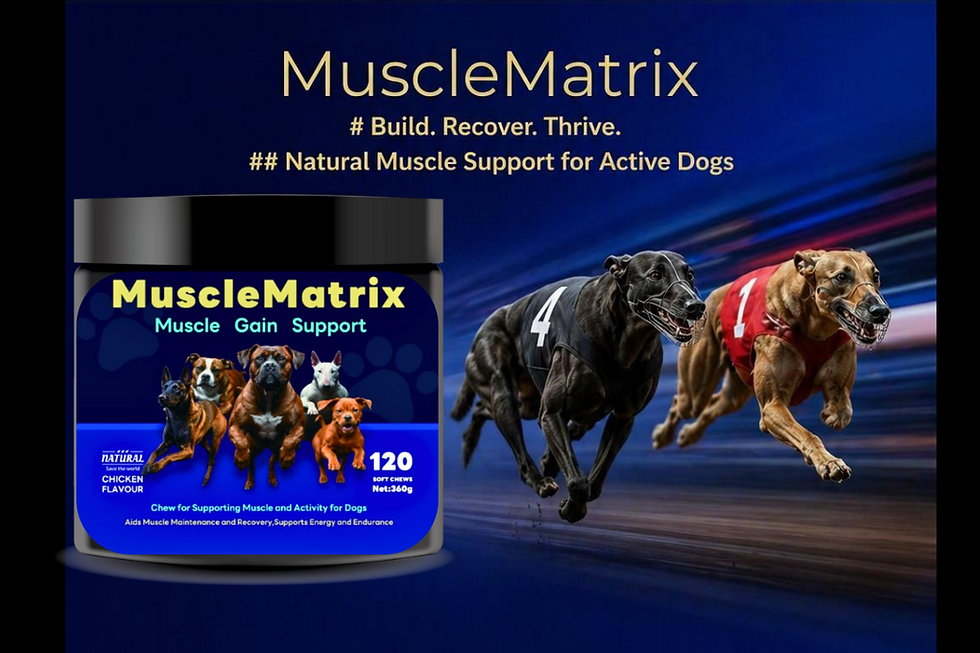
MuscleMatrix Muscle Gain Support
Supports muscle maintenance, recovery, energy, and endurance. Ideal for working and active dogs.
Hench Range Jay Fuel High Grade Protein
Fuel for muscle, power, performance, and recovery
The Ultimate Weight Gainer
Advanced high-calorie formula for building mass and strength in all breeds and life stages. Healthy weight gain

DOM-INATE Canine Muscle Builder
Contains creatine & DMG – muscle growth and definition aid
Contains creatine & DMG – muscle growth and definition aid

JackedBite Hench Range Training Chew
Highest strength maximum muscle gain training chews. Great for Training days
Hench Range Empower
Maximum muscle support. Muscle. Focus, performance, repair, health

SHOP ALL



Comments