


Breed Spotlight: Kai Ken (UK) — Japan’s Rare Brindle Mountain Dog

The Kai Ken is a rare, medium-sized Japanese dog known for its brindled coat, athletic strength and deep loyalty. Developed in the mountainous Kai region of Japan, it is an alert, agile breed with a strong hunting heritage.
Sometimes called the Kai Tora-Ken, or “tiger dog”, the Kai Ken remains far less familiar in the UK than the Shiba Inu or Japanese Akita. Yet for experienced owners who understand independent, intelligent breeds, this remarkable dog has a great deal to offer.
Where Does the Kai Ken Come From?

The Kai Ken originated in the former Kai Province, now part of Yamanashi Prefecture in Japan. This rugged region is surrounded by mountains, and the breed developed into a strong, sure-footed hunting dog capable of working across difficult terrain.
Kai Ken were traditionally used to hunt animals including wild boar and deer. Their work required stamina, courage, agility and the ability to make decisions at a distance from their handler.
The breed’s geographical isolation helped preserve its distinctive type. In 1934, the Kai Ken was officially designated a natural monument of Japan.
Why Is the Kai Ken Called the Tiger Dog?

The Kai Ken’s defining feature is its beautiful brindled coat, known in Japan as tora-ge, meaning tiger pattern.
The three recognised brindle variations are:
Kuro-tora: predominantly black brindle
Chu-tora: medium brindle
Aka-tora: red brindle
Kai Ken puppies may initially appear much darker or almost solid in colour. Their brindle pattern can become clearer and more striking as they mature.
The markings are not perfectly uniform. Every dog carries its own mixture of dark striping and warm red, brown or black tones, giving each Kai Ken an individual appearance.
What Does a Kai Ken Look Like?

The Kai Ken is a balanced, medium-sized spitz-type dog with a strong but athletic body.
Typical characteristics include:
A broad forehead
A moderately thick, pointed muzzle
Dark-brown, slightly triangular eyes
Small, firmly erect ears
A thick, muscular neck
A straight, relatively short back
A broad, muscular loin
Strong legs and well-developed hocks
A thick tail carried curled or curved over the back
A harsh, straight outer coat with a soft, dense undercoat
Under the FCI breed standard, males are approximately 50cm at the shoulder and females approximately 45cm, with a tolerance of 3cm either way.
The overall impression should be of a dog built for movement and endurance—not excessive bulk.
Strength, Muscle and Athletic Ability
The Kai Ken is naturally muscular, but its strength is functional rather than exaggerated.
Its body developed for climbing, turning and maintaining balance across steep mountain ground. Strong hindquarters and well-developed hocks help provide the drive and stability needed for uneven terrain.
The breed is generally:
Agile and light on its feet
Strong without being heavily built
Capable of sustained physical activity
Quick to react
Naturally balanced and coordinated
A healthy Kai Ken should look lean, firm and athletic. Excess weight can interfere with the movement and agility for which the breed was developed.
Kai Ken Temperament

The Kai Ken is usually described as keen, alert and deeply loyal. Many form a particularly close relationship with their family while remaining reserved around unfamiliar people.
Common breed traits can include:
Strong loyalty to their household
High awareness of their surroundings
Intelligence and independent judgement
Natural caution around strangers
A strong hunting instinct
Sensitivity to their owner’s mood and behaviour
This is not normally a dog that responds well to heavy-handed handling. Calm, consistent training and thoughtful socialisation are far more suitable.
Individual temperament will always vary. Breeding, early experiences, training and the home environment all influence the adult dog.
Are Kai Ken Good Family Dogs?

A well-bred, carefully socialised Kai Ken can become a devoted family companion. However, it may not be the easiest choice for a first-time owner.
The breed’s loyalty does not mean it will automatically accept every person or animal. Young dogs need positive exposure to different people, environments, sounds and situations without being overwhelmed.
Children should always be taught how to interact respectfully with dogs. As with every breed, contact between dogs and young children should be supervised.
Can a Kai Ken Live With Other Dogs?
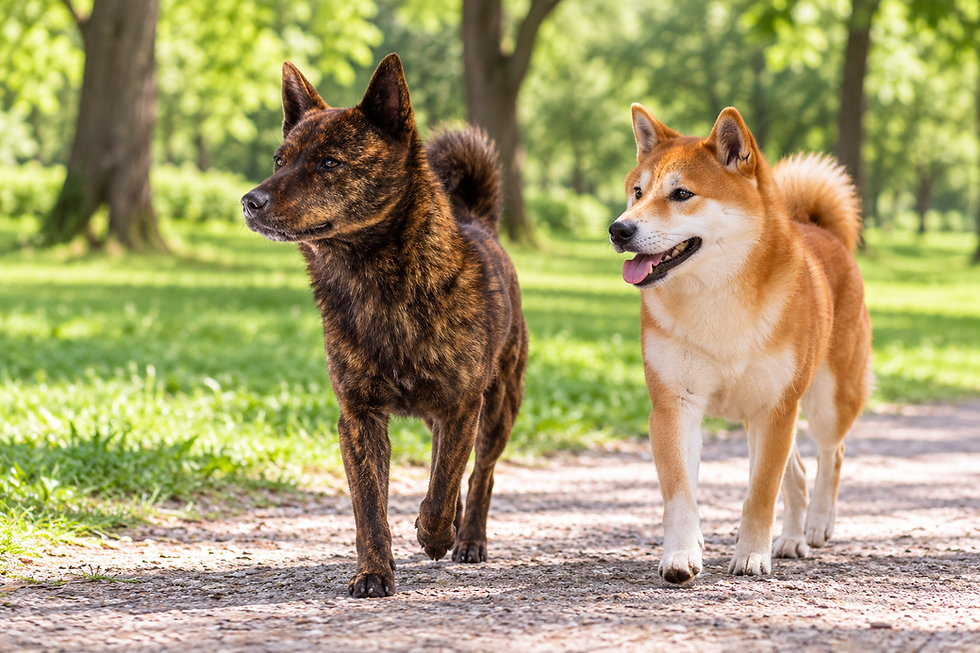
Many Kai Ken can live successfully with other dogs, particularly when introduced and socialised carefully. However, compatibility depends on the individual dogs involved.
Because of the breed’s hunting background, care may be needed around smaller animals. A Kai Ken that lives peacefully with a familiar cat may still chase unfamiliar animals outdoors.
Introductions should be gradual and controlled, with each animal given space and time to adjust.
Training a Kai Ken

The Kai Ken is intelligent, but intelligence should not be confused with automatic obedience.
This breed can think independently, assess situations and decide whether a request is worthwhile. Training therefore needs to be clear, rewarding and consistent.
Useful training priorities include:
Reliable attention around distractions
Calm lead walking
Recall practice in secure areas
Settling quietly at home
Comfortable handling and grooming
Controlled introductions to people and dogs
Safe entry and exit through doors and gates
Short, focused training sessions will often be more productive than repetitive drills.
Because hunting instinct can be powerful, off-lead freedom should only be considered where it is genuinely safe. Secure fencing and careful management are essential.
Exercise and Mental Stimulation

Kai Ken are active dogs that need more than a brief walk around the block.
Suitable activities may include:
Varied countryside walks
Scent-based games
Tracking exercises
Controlled climbing and exploration
Obedience training
Food-search games
Canine sports suited to the individual dog
Puppies should not be pushed through excessive repetitive exercise while their bodies are still developing. Activity should increase gradually according to age, physical condition and veterinary guidance.
Mental stimulation is just as important as physical exercise. A bored Kai Ken may find its own entertainment, which may include climbing, digging or attempting to explore beyond the garden.
Grooming and Coat Care

The Kai Ken has a double coat consisting of a straight, harsher outer layer and a softer, dense undercoat.
Routine brushing helps remove loose hair and keeps the coat in good condition. During seasonal shedding, more frequent grooming may be needed.
Basic care should also include:
Regular nail checks
Dental care
Ear checks
Monitoring the skin and coat
Maintaining a healthy body condition
The coat should not be clipped merely to reduce shedding. Its double-layered structure provides protection in different weather conditions.
Health and Responsible Breeding

Anyone considering a Kai Ken should look for a breeder who prioritises temperament, health and genetic diversity.
Ask the breeder about:
Health testing completed on both parents
Any conditions found within the family line
Temperament of the parents and close relatives
How puppies are raised and socialised
Registration and pedigree documentation
Support provided after the puppy goes home
No responsible breeder can promise that a puppy will never develop a health problem. They should, however, be open about their breeding decisions and willing to discuss the strengths and weaknesses within their lines.

Because Kai Ken remain exceptionally unusual in the UK, prospective owners may need to wait for a suitable litter rather than rushing into the first available opportunity.
Is the Kai Ken Recognised in the UK?

The Kai is recognised internationally by the Fédération Cynologique Internationale, where it is classified among the Asian Spitz and related breeds.
However, the breed does not currently appear among the breeds listed individually by the Royal Kennel Club in the UK. Anyone hoping to import, register, breed or show a Kai Ken should check the latest requirements directly with the relevant organisation before making arrangements.
Is the Kai Ken the Right Dog for You?
The Kai Ken may suit an owner who:
Appreciates intelligent, independent dogs
Enjoys an active outdoor lifestyle
Can provide secure boundaries
Is prepared to work carefully on recall
Understands natural hunting behaviour
Will commit to early socialisation
Wants a loyal companion rather than an instantly sociable dog
It may be less suitable for someone wanting an effortless first dog, guaranteed off-lead reliability or a breed that welcomes every stranger enthusiastically.
A Rare Survivor of Japan’s Mountains

The Kai Ken is much more than a dog with an unusual coat. It is a living part of Japan’s canine heritage—a strong, agile hunter shaped by mountainous terrain and preserved for its distinctive natural qualities.
Its brindle colouring may attract attention first, but the breed’s real character lies in its alertness, athletic ability, loyalty and independent mind.
For the right home, the Kai Ken can be an extraordinary companion. For the wrong home, those same qualities can become challenging. Understanding and respecting the breed’s heritage is therefore essential before bringing one into the family.
Make Every Walk Look Exceptional
Complete your dog’s look with a premium Hench Wear collar and lead. Handcrafted by professional artisans using full-grain, vegetable-tanned leather, with distinctive detailing and quality fittings.

Limited-edition craftsmanship for dogs with real presence.

Shop Hench Wear Collars & Leads


Comments